The future shape of local government in the Eastern Bay of Plenty remains uncertain after Cabinet decided not to make decisions on individual Head Start proposals at this stage, with the proposals now expected to return to Cabinet for consideration in early 2027.
Whakatāne, Kawerau and Ōpōtiki district councils had jointly backed a proposal for an Eastern Bay of Plenty unitary council, following months of work and community engagement.
The Government said it needed more time to address issues raised by the 18 proposals submitted nationwide, including representation, governance and the delivery of regional council functions.
The decision means the Eastern Bay proposal will remain unresolved while the Government works through those issues over the coming months.
For the Eastern Bay, the delay means the councils’ proposed unitary model remains on the table but has not been approved to proceed to detailed design.
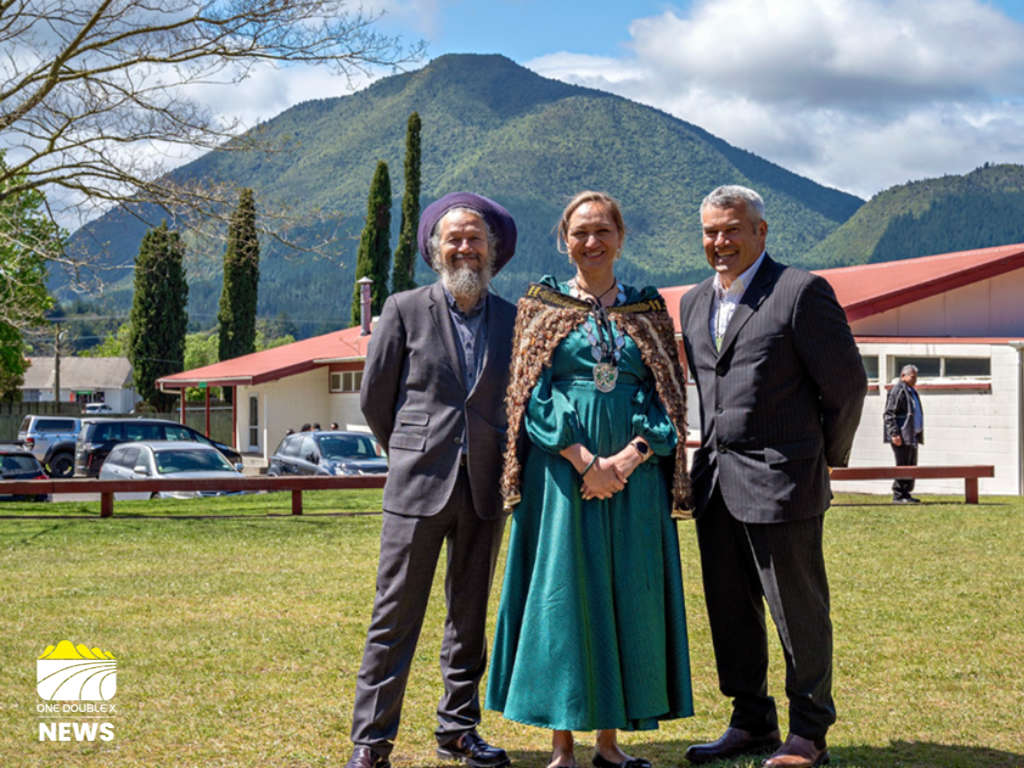
Whakatāne Mayor Nándor Tánczos criticised the decision, describing the process as a “shambles”.
“The Eastern Bay councils believed it was important for our communities to have a say in shaping their own future.”
He said councils had put significant time and effort into responding to the Government’s expectations while working under considerable pressure.
“To meet the expectations placed on us, councils moved quickly, engaged with communities, and worked through complex issues in good faith,” Tánczos said.
He said it was “deeply frustrating” to be told decisions on individual Head Start proposals would be delayed while the Government carried out further work.
“Local government is already dealing with a tsunami of reform. Central Government is loading more and more responsibilities on councils while the fundamental issue of how we fund the infrastructure that our communities rely on is ignored.”
Kawerau Mayor Faylene Tunui said communities had been clear that they wanted a say in whatever came next for local government reform.
“Kawerau told us that they wanted to retain their Council, but if the status quo was off the table, then they wanted to participate in the Simplifying Local Government Head Start process with our Eastern Bay of Plenty neighbours.”
Tunui said the council would continue to put its “best foot forward” in the process and that its focus remained on the best interests of Kawerau, both now and as future reform decisions were made.
Ōpōtiki Mayor David Moore said the proposed Eastern Bay model was intended to maintain strong representation for the district’s rural, coastal and urban communities.
“The Government made it clear that local government reform is progressing, and our responsibility was to ensure the people of Ōpōtiki had the strongest possible voice in shaping what comes next,” he said.
“An Eastern Bay model gives us the best opportunity to protect the voice of Ōpōtiki and ensure our rural, coastal and urban communities continue to have strong local representation.”
Moore said the decision created uncertainty, but did not change the need for Ōpōtiki communities to be heard and represented in any future reform process.
The Minister’s letter to councils acknowledged the time, effort and resources that had gone into developing the Head Start proposals.
However, the Government said there were still major issues that needed to be worked through before any reorganisation decisions could be made.
These include how communities would be represented, how decision-making would work and how regional council functions would be delivered.
Government officials are expected to continue working with councils, sector groups, iwi and hapū and other stakeholders on those issues over the coming months.
Local Government Minister Simon Watts said the Government had launched the Head Start pathway after proposing changes aimed at simplifying local government, reducing duplication and better aligning council structures with the new planning system.
Eighteen proposals were submitted in August.
“After considering these proposals, more work is required before Cabinet can make final decisions on Head Start,” Watts said.
He said the overall quality of the proposals was high, but none had the unanimous support of their respective regions, and some required further analysis.
“Particular areas that require further development include ensuring fair and effective representation with streamlined governance, and the transfer and delivery of regional functions.”
Rather than asking councils to commit further time and resources to finalise their proposals immediately, Watts said the Government would work to address those gaps over the next few months.
Cabinet is expected to consider the proposals again in early 2027.
RMA Reform Minister Chris Bishop said the Government remained committed to local government reform aligned with the new planning and environmental management systems.
Officials have been asked to provide further advice before a recommended package is taken to Cabinet on whether proposals should progress to detailed design.
The Government expects proposals endorsed by Cabinet to be developed in detail and considered for final approval during 2027, with any Head Start changes intended to be in place ahead of the 2028 local government elections.
The Government has also confirmed that regional councillors will not be elected at the 2028 local elections.
A separate Government-led backstop process for regional reorganisation is expected to begin after those elections for areas that do not progress through Head Start.
Decisions on that process are also expected in early 2027 and will be informed by lessons from the Head Start pathway, consultation feedback and further advice from officials.
For Eastern Bay communities, the developments leave the future of the region’s local government structure unresolved.
The three councils say the work already completed on their Eastern Bay proposal provides a strong starting point for any future reform process.
They have also said local voice, representation and decision-making must remain central to any decisions affecting Eastern Bay communities.
In the meantime, Whakatāne, Kawerau and Ōpōtiki district councils say they remain focused on delivering the services, infrastructure and projects their communities rely on while continuing to work together.
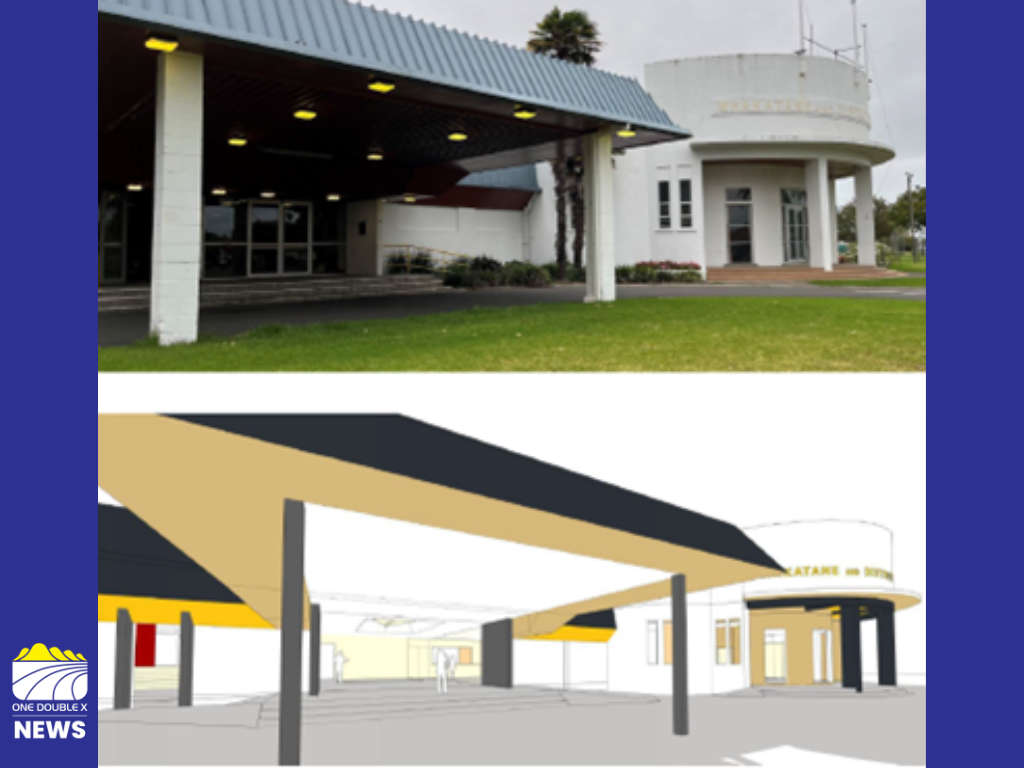 Council Approves One-Stage Approach to War Memorial Hall Renewals
 Work to Lower Ōpihi Spit Sand Fuse to Begin Next Week
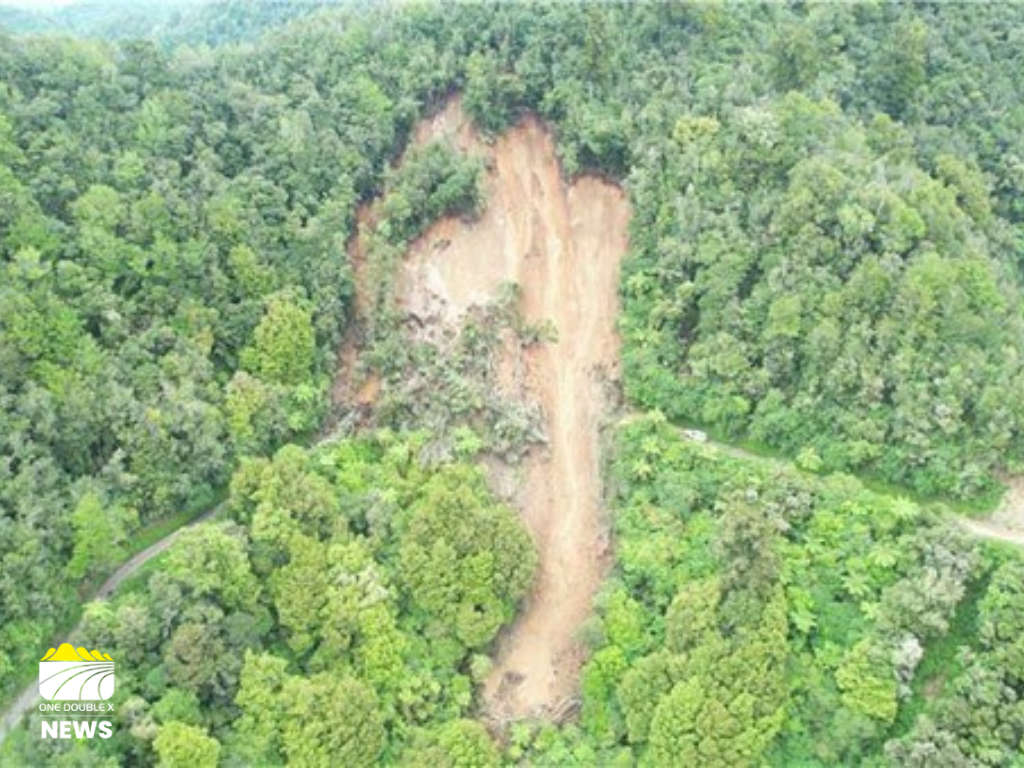 Motu Road Set to Reopen After Months-Long Closure
 Te Tāhuhu o Te Rangi Invites Local Residents to Celebrate Te Wiki o te Reo Māori
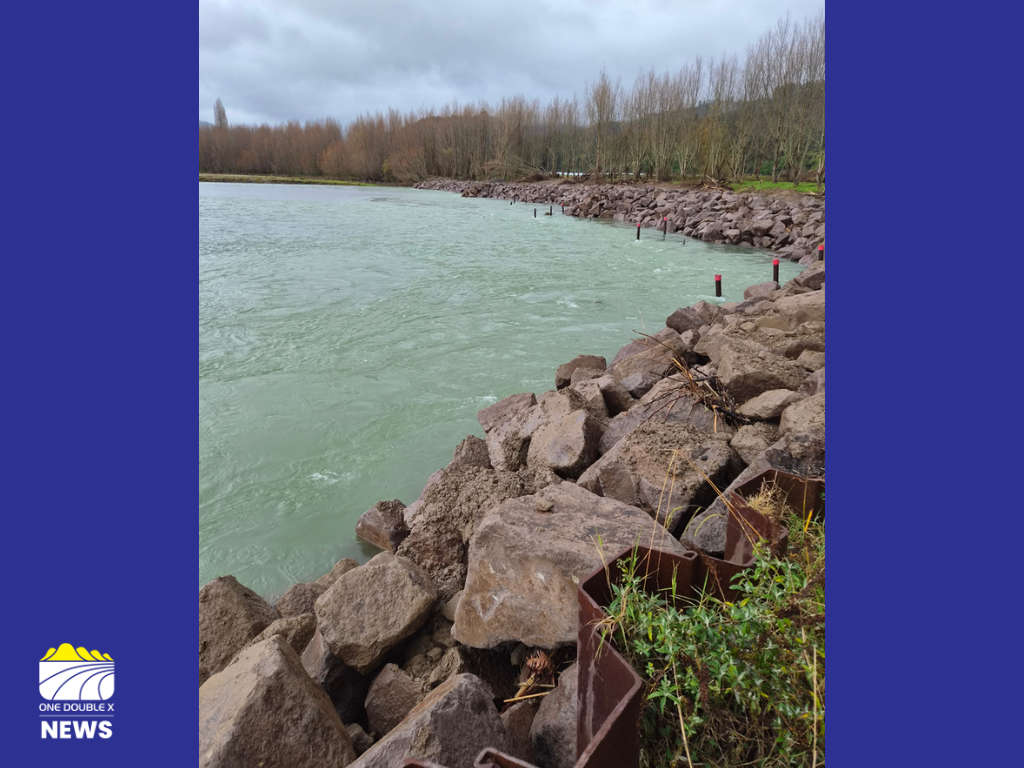 Rūātoki Water Treatment Plant Project Takes Next Step Towards Long-Term Solution