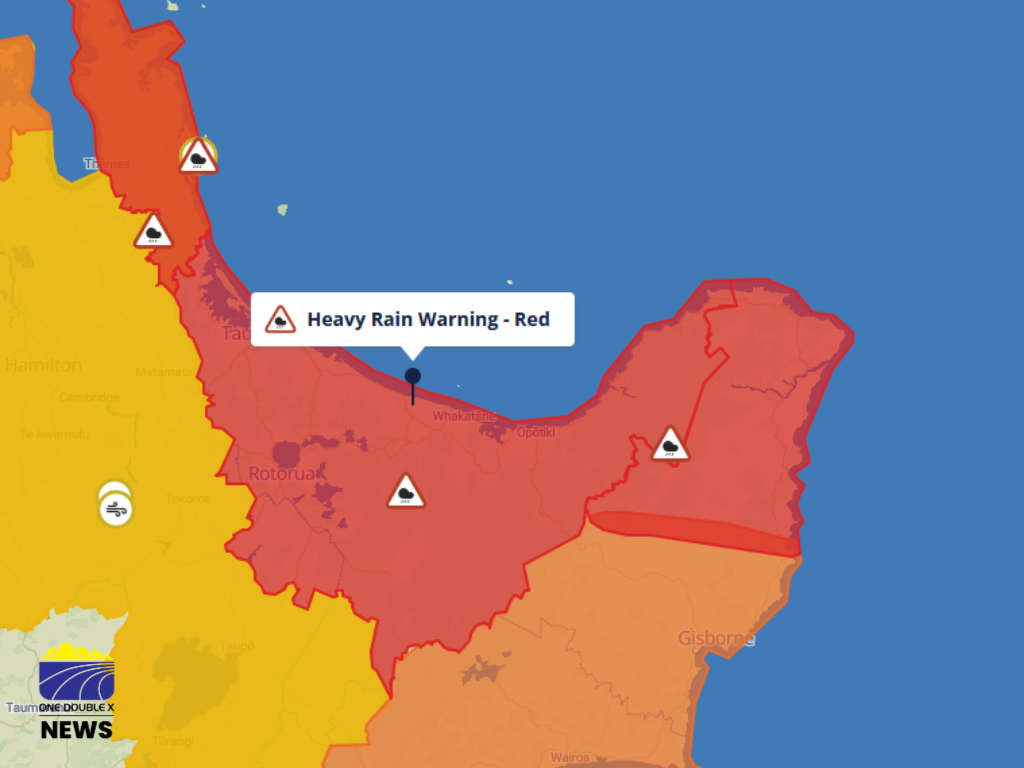
MetService say the area can expect a further 180 to 240mm of rain on top of what has already accumulated, with peak rates of 25 to 40mm/h from this evening.
Meteorologist Lewis Ferris says there is a chance of downpours across the Bay, which will increase the volume of rain in certain areas.
“We have a low-pressure system which has been drifting down from the tropics, and is bringing very warm, humid air, with potential for widespread heavy rain.”
The warning is in place until 9am Thursday, 22 January.
A state of local emergency has been declared for the Bay of Plenty.
Bay of Plenty Civil Defence and local mayors made the precautionary declaration to ensure response to any event is quick and efficient.
It said "This is a precautionary approach to ensure Controllers and others with extraordinary powers can respond quickly and efficiently, to deliver actions that will help keep people safe during a response."
"This includes closing roads or public places, undertaking works, removing or securing dangerous structures and material, and providing first aid, food or shelter."
It said people can still go about their business under a local state of emergency "but make sure you listen to and follow any instructions from Civil Defence and emergency services."
Ongoing updates will be given on the Bay of Plenty Civil Defence Facebook page and website.
The Bay of Plenty Regional Council has activated it's Flood Room. The Council say "This means our flood management team is set up to monitor the situation 24/7 as it develops."
"We will be providing real-time river level information to supporting agencies (such as local councils and Waka Kotahi), to assist with planning and responding to local communities."
There will be a team monitoring flood levels out in the field and will be checking stopbanks, monitoring river levels, and rainfall, before reporting the information to the Flood Room.
An operations team will be out also checking the condition of stopbanks and floodwalls and pumping water out of key areas if necessary.
It assures local councils will be providing updates around roading, blocked drains and water.
The Whakatāne District Council has activated its Emergency Operations Centre.
“Our decision to activate the EOC reflects the seriousness of this weather event and the level of risk it poses to our communities,” says Whakatāne District Local Controller, Mike Avery.
“Rainfall totals are high, river levels are rising, and impacts could escalate quickly. Operating the EOC allows us to coordinate resources, share real-time information, and respond swiftly.”
He says a full shift of trained Emergency Management staff is working alongside the Bay of Plenty Regional Council Flood Room, emergency services, Waka Kotahi NZ Transport Agency, and nearby councils to monitor river levels, assess impacts, and develop response plans as conditions develop.
At this stage, an Emergency Evacuation Centre has not been opened, although one will be established if necessary.
Ōpōtiki District Council have also activated their Emergency Operations Centre. The Council say this means "Council staff change out from our day-to-day jobs and move into our emergency management roles."
"It means we can keep a closer eye on forecasts and river modelling, work closely with other agencies like NZTA and our iwi partners, and monitor risks and issues in real time."
"We are using this time to plan and prepare and keep an eye on the weather."
It encourages people across the region to prepare their households and communities.
Here at Ōpōtiki District Council, our Emergency Operations Centre is also activated which means council staff change out from our day-to-day jobs and move into our emergency management roles. It means we can keep a closer eye on forecasts and river modelling, work closely with other agencies like NZTA and our iwi partners, and monitor risks and issues in real time. We are using this time to plan and prepare and keep an eye on the weather. We encourage you to do the same in your households and communities.
Bay of Plenty Civil Defence says the community needs to know the risks and be prepared.
A spokesperson says safety is of the utmost importance.
“Do not drive through floodwaters. Streams and rivers may rise rapidly. So if you see rising water, do not wait for official warnings. Head for higher ground and stay away from floodwater. We also recommend that you never walk, play, swim or drive through that floodwater. And finally, tie down or remove any loose items outside your home, as these may become a risk in high winds.”
She says the forecast can change quickly, "so keep an eye on the radio and look at the Civil Defence Facebook page, MetService, NZTA's Facebook page and your local council as well for those details.”
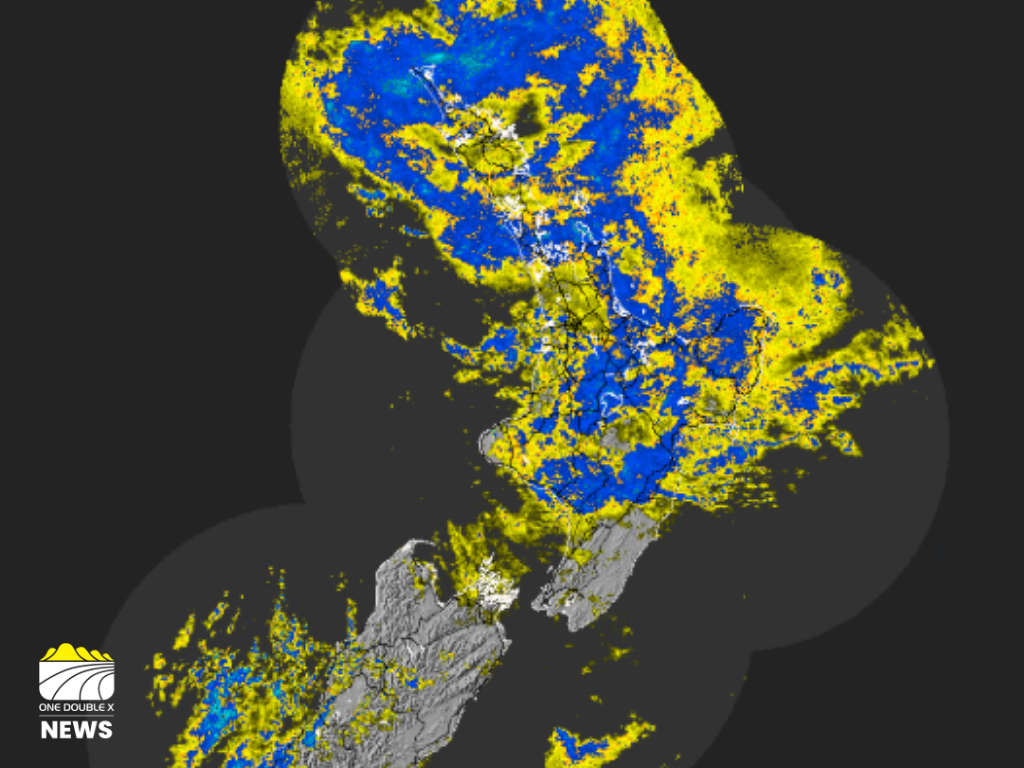
A low pressure-system, moving across the north island, is causing widespread heavy rain. (IMAGE SUPPLIED: MetService)
NTZA says the rain is likely to cause a number of hazards on the road, such as fallen trees, slips, and flooding.
Drivers are asked to “drive to the conditions, stay alert, and allow extra time for your journey,” as the weather moves through the region.
“Our contractors are monitoring at-risk locations and clearing drains and culverts to ensure the state highway network remains safe and accessible,” say NZTA.
It is reminding people to avoid unnecessary travel during heavy periods of rain.
Police are advising the public to be aware of the added risk rain causes to driving.
Senior Sergeant Cam MacKinnon says drivers should reduce their following distance, slow down, and turn headlights on.
“Police do notice that when we get a decent amount of rain coming through, suddenly crashes occur. Those crashes don't occur, just through road conditions or the conditions themselves, it's actually quite a high percentage that is related to the driving behaviour of the people”
Community Constable Rob Jones says check in on friends and whanau, and ensure you’re prepared.
“Just making sure you have a few of the basics. So, do you have enough water? You know, do you have food? Things like a little radio, batteries, candles, if the power goes out, torches.”
He suggests checking in on neighbours, particularly those who are elderly and may live alone, to ensure everyone has a plan.
Pets and livestock may also be affected by the wet weather.
Ministry for Primary Industries says if your property is hit by flooding, it is important to prevent your animals from drinking the flood water, as it may be contaminated.
“If you come into contact with an animal that has been in flood water, change your clothing and wash your hands thoroughly. If you can, wear protective gear such as overalls, gloves, and a mask.”
It says if you need to leave your animals behind, ensure pets are in a secure sheltered place, either inside or outside your home, and move livestock in paddocks near waterways to higher ground.
MetService says people should download their app, as “heavy traffic during severe weather can slow down our website."
 Car Show Drives Support for Local Pukehina Community
 Community Invited to Shape Future of Whakatāne Riverfront
 Increased Fuel Prices Have Forced Air Chathams’ Airfares to Rise