Kiwis are being encouraged to rethink how they shop, cook and store food as the ongoing conflict in the Middle East threatens to push grocery and fuel prices higher.
Love Food Hate Waste is promoting practical habits that can reduce household costs and environmental impact.
Marketing manager Juno Scott-Kelly said looking at your food waste and eating what you’ve already bought is one of the easiest ways to save money.
“Nationally, New Zealanders actually throw away around $3 billion worth of food, which is quite shocking,” she said.
Scott-Kelly explained that simple daily habits can create a significant impact.
Among her top tips:
- Plan for leftovers: Cook once and intentionally plan to reuse meals for lunch or dinner the next day.
- Create an ‘Eat Me First’ shelf: Keep soon-to-expire food on a specific shelf at the front of your fridge or pantry to avoid it being forgotten.
- Follow the ‘2-2-2 Rule’: Refrigerate food within two hours, eat it within two days, or freeze it for up to two months.
She noted that while many people cook in bulk with good intentions, they can lose interest in eating the same meal repeatedly.
“Our taste preferences change, or we just might not feel like that meal the next day. So what we suggest is either freezing some of those portions so that you've always got a meal to go when you're tired or you don't have enough time.”
Her advice: “Get creative in the kitchen”
“If you’ve made spaghetti bolognese, you could turn the mince into a pizza topping or a toasted sandwich the next day,” she said.
Sometimes life gets in the way, and food gets left too long or forgotten about.
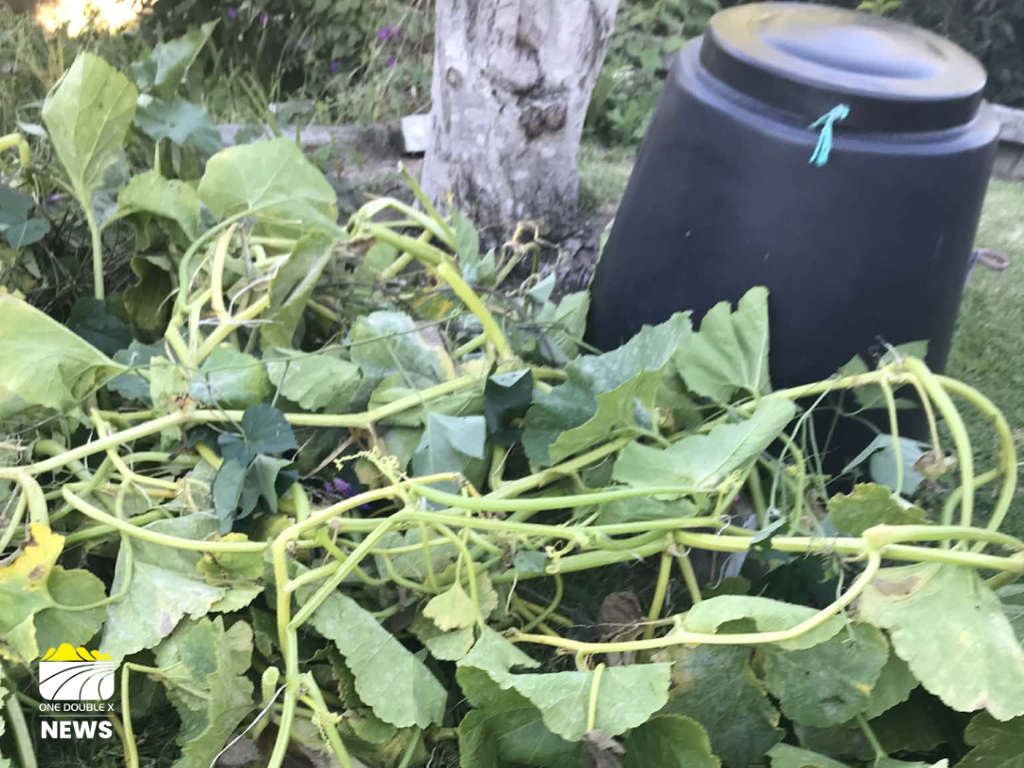
Scott-Kelly said the most sustainable ways to dispose of green waste are through composting, feeding chickens, or, if it hasn’t gone off yet and is still good to eat, giving the food to the community.
Smaller towns are pioneers in helping to combat Aotearoa’s food waste problem.
“Whakatāne is actually our leading town for the [ Love Food Hate Waste NZ] Leftover Legends challenge,” said Scott-Kelly.
Tauranga is currently the fourth city on the leaderboard.
She explained that smaller regions are really engaged in the campaign and are passionate about reducing their waste, particularly as a means to save money.
“That's definitely a trend that we've seen across a lot of the smaller towns in New Zealand. And I think they're doing all they can to save money, especially as petrol prices increase and the cost of food is still going up every day,” said Scott-Kelly
Since the campaign began, the Bay of Plenty has saved around 200 plates of leftovers from becoming food waste, out of the total 3822 saved nationally.
"Every plate logged is a simple reminder that leftovers are still great food and worth enjoying.”
 Confident Swimmers Still at Risk: Water Safety NZ Urges Parents to Rethink Kids’ Water Skills
 Kiwifruit Harvest Going Well Despite Challenges
 Ōpōtiki Rally Driver Shines in Thailand Debut
 Local Demanding Action on Pekatahi Bridge