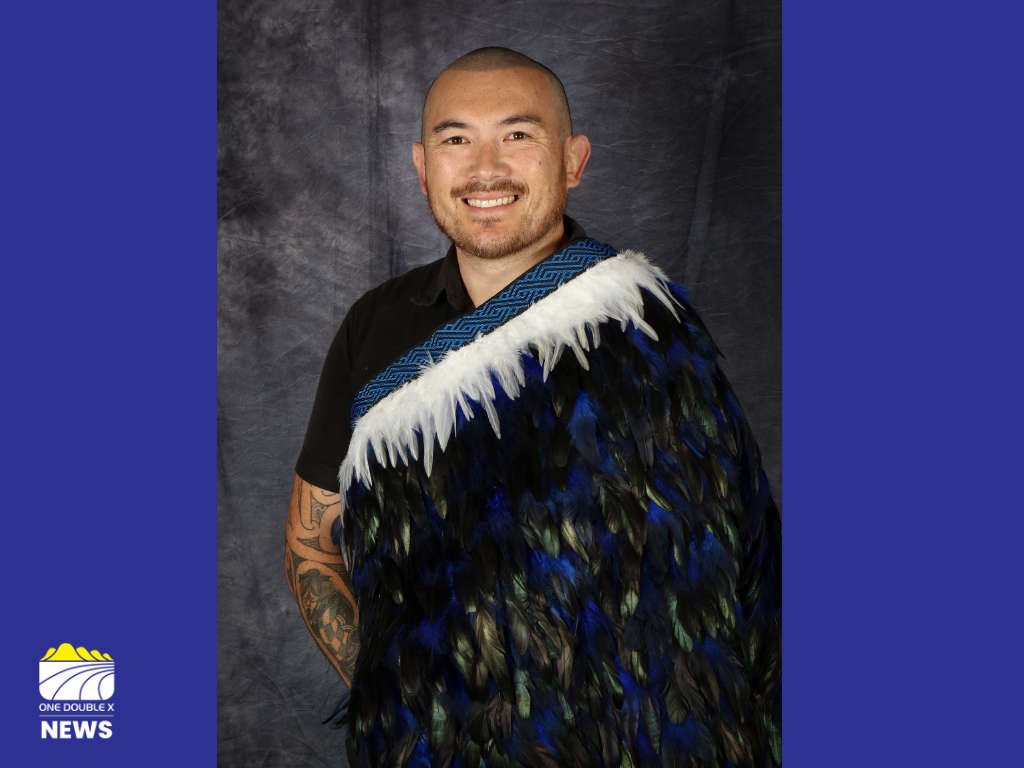
New qualification requirements, compulsory subjects and external exams are set to reshape secondary education, but a local Principal said key details are still missing.
Last week Education Minister Erica Stanford unveiled more details about the curriculum and qualification system set to replace NCEA.
Under the changes, Year 12 and 13 students will study at least five subjects each year, with assessments made up of internal work and external examinations.
For Year 11 students, science, English and maths will become compulsory subjects, alongside acheiving new literacy and numeracy foundational awards required to pass the year.
For year 11 students science, english and maths will be compulsory subjects, which will go towards obtaining the required literacy and numeracy foundational awards needed to pass the year.
The New Zealand Certificate of Education (NZCE) at Year 12 will come into effect in 2029, with the New Zealand Advanced Certificate of Education (NZACE) in 2030.
Trident High School principal Mikaere October said schools are under pressure to prepare for major changes without full details from the government.
"I know a majority of secondary principals are feeling the pinch in terms of the timeline and simply not having enough time to be able to make all these changes.
"We're limited in the information we have, so we'll be building the plane as we fly it by the looks of things," he said.
The requirement for students to take five or six subjects could create difficult choices for learners, he said.
Some students may choose six subjects to improve their chances of passing enough courses, while others may prefer to focus on deeper content knowledge with five subjects, October said.
The reduced number of elective subject slots at Year 11 could add to that difficulty, he said.
"One thing that I'll highlight, which is really interesting, is that the new qualification system does reward those who do 6 subjects.
"It shows on your record of learning that you did those."
The system could potentially create inequity between schools based on the number of subjects they are able to offer, he noted.
Science becoming compulsory at Year 11 level is a positive move, October said, but ongoing shortages of maths and science teachers could create staffing issues for some schools.
"However, science becoming compulsory will no doubt cause issues for some schools who find it difficult to recruit.
"Science and Maths teachers are already difficult to come by."
A major concern for schools within the reforms is the increased emphasis on examinations.
Previous wording around final assessments had allowed for externally assessed work such as portfolios, but the latest announcement appears to place greater emphasis on exams, October said.
"I do notice that they've changed to exams, which does give the connotation of a sit down for a three hour window where you're asked a question normally theory based."
He said this raises concerns for practical subjects such as technology, the arts and physical education.
"With limited information we're just doing our best to prepare our students for that, but it will be fascinating to see what that actually looks like."
New subjects including Civics, Politics and Philosophy, Advanced Mathematics, and Journalism, Media and Communications are also set to be introduced.
October said while Trident could offer a broad curriculum, many smaller rural schools would struggle to provide specialist subjects in person.
"Schools that are much smaller really struggle with that, certainly even with us we wouldn't be able to offer every single subject, particularly those new ones."
While online learning will be available through national providers, he said students generally achieve better outcomes with teachers physically present in classrooms.
One of Octobers biggest concerns is where Te Ao Māori will fit within the new curriculum.
"One of my major concerns particularly is around where Te Ao Māori fits into the new curriculum because we live in our community in Whakatāne where we're 50% Māori.
"It's really, really important and actually part of everyday life for many of our students and our whānau."
Te Ao Māori provides important knowledge and skills for rangatahi within their rohe and across Aotearoa, but it does not currently appear to be a government priority, he said.
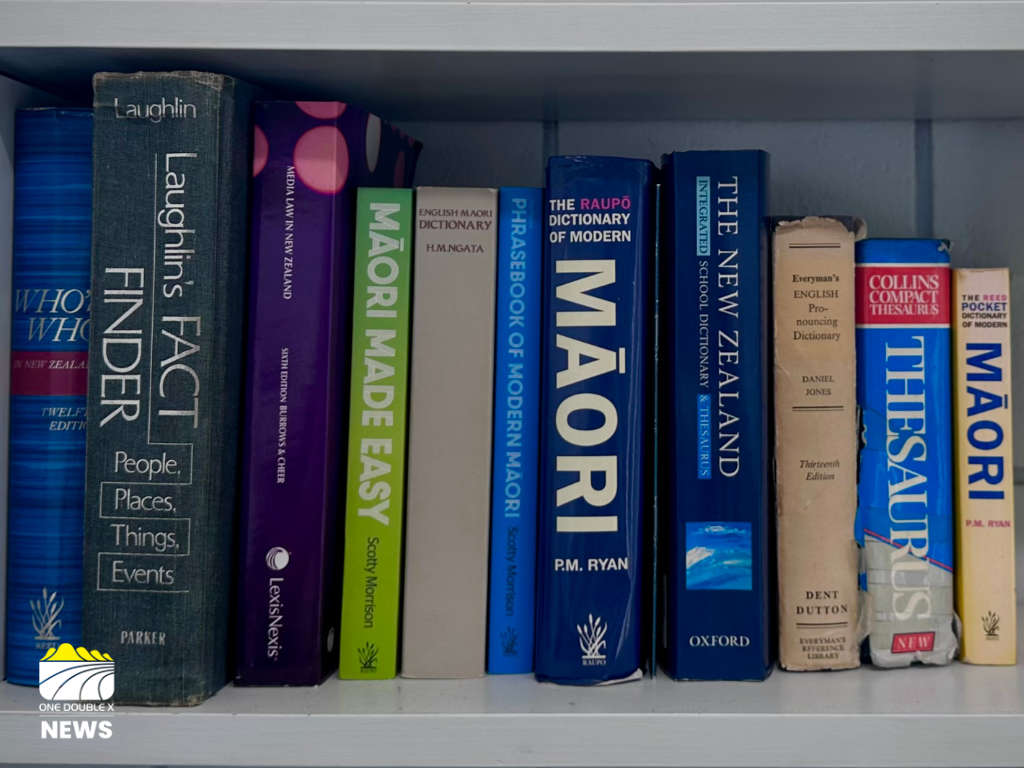
Trident Principal Mikaere October has concerns about if Te Ao Māori will remain a focus in the curriculum overhaul.
While the removal of NCEA Level 1 has been signalled for several years, entry-level qualifications remain important in many rural communities, October said.
"In some communities, particularly our rural places where we live, Whakatane and other areas, Level 1 was not only the entry level qualification for some students but also the exit one.
"I will say it's a minority of students, but still those students tend to be our most vulnerable as well."
The literacy and numeracy foundational awards, previously part of the Year 10 curriculum, will move to Year 11 and become harder to obtain, he said.
"So the concern is for those students who that might be their qualification so we are looking at structures so we can support our students to be able to attain these new qualifications."
From next year, a new curriculum will also be introduced for Year 9 and 10 students as part of the wider education overhaul.
Schools are still waiting on detail in several subject areas, but Trident will continue weaving Te Tiriti-focused learning throughout its social sciences programme, he said.
"Once we have the full curriculum documents we'll continue to weave that throughout our practice."
October said the timeframe for implementation of this new curriculum remains a major concern, particularly while curriculum content for many subjects are still unavailable.
Despite concerns over the tight implementation timeline, October said staff were focusing on improving teaching practices and preparing students for the transition.
Alongside other Eastern Bay and Tauranga secondary schools, Trident staff are participating in professional workshops focused on high-impact teaching strategies and culturally responsive pedagogy.
October said more government funding and support will be needed for schools to successfully implement the reforms.
The primary education sector is undergoing a major education reform, but he notes a longer timeframe and $131 million in supply support funding has been supplied to aid that transition.
"I think they deserve it, however, I'd like to see the same commitment from the government in terms of funding for us to be able to implement these changes, particularly if the timelines remain the same."
"We need the resourcing to be able to even attempt to deliver on that timeline."
He reassured parents and students that schools would continue adapting as more details were released.
"We are working alongside whānau and students to ultimately have always in mind the best outcome for our students."
 Police Crack Down on New Gang Chapters in Ōpōtiki
 Under the House to the Try Line: Ruby and Her 11 Pups Seek Forever Homes
 Eastern Bay Local Government Future Left in Limbo After Head Start Decision Delayed
 Hillcrest Road Closures Scheduled for Friday