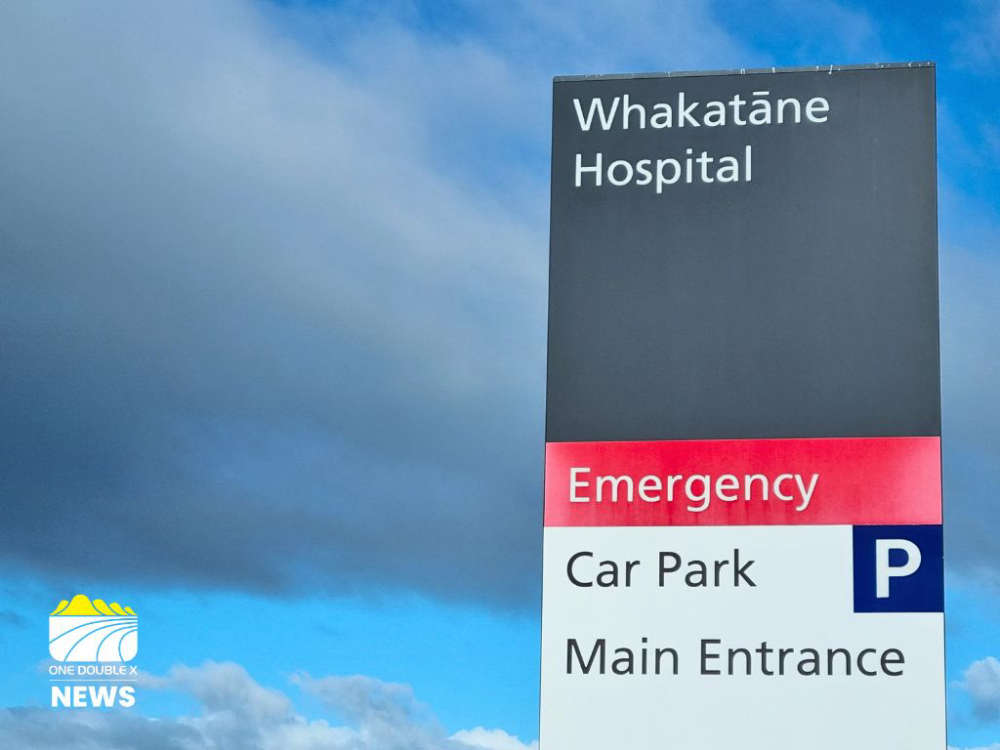
Midwives serving the eastern Bay of Plenty say the last year without local obstetric support has placed significant strain on both staff and whānau, forcing pregnant women to travel long distances for care and often leaving their known midwife behind.
Lisa Kelly, a midwife working across Ōpōtiki and the Coast, described this period as challenging for both midwives and mothers.
“I think the main challenges are lack of support in terms of transferring whānau from Ōpōtiki and down the coast over to Tauranga,” she said.
Without obstetricians in the region, expectant mothers requiring secondary care have had to travel to Tauranga.
Kelly said staffing shortages have meant midwives are not always able to accompany their patients.
“At times we haven’t been able to actually go with our mums to Tauranga, and that’s due to the lack of midwives in the area. We don’t want to leave the area unattended,” she explained.
As a result, women have sometimes travelled without their Lead Maternity Carer, adding stress for both families and providers.
She said it is also “quite stressful for the midwife,” letting the mother travel elsewhere for care.
“If we were transferring, we would have to leave them in labour sometimes and in the postnatal period and then pick them up when they came back to the area,” she said.
“It was really hard for the whānau and for us having to see our whānau go off to Tauranga without us and potentially being cared for by people that they don’t know.”
She explained that women requiring secondary care effectively have no choice in a provider, it's “just whoever you get in Tauranga.”
Kelly expects the reintroduction of secondary services at Whakatāne hospital in the coming months will enable midwives to provide better continuity of care.
“So we’ll be able to stay with our whānau, with our hapū māmā, all the way through pregnancy and all the way through labour and postnatally,” she explained.
The situation is also putting financial pressures on midwives, who are paid to be present throughout pregnancy, labour, birth, and provide postnatal care.
“We can’t get paid if we’re not there attending the births and looking after the whānau over in Tauranga Hospital. So it has had a huge impact on midwives in terms of actually having enough income to survive.”
She explained that the stress has taken a personal toll, causing one midwife to step away from practice.
“One of our midwives, it was so stressful for her that she’s actually left practice and she’ll be having an extended break.”
For whānau, the transfers initially created anxiety around travel, accommodation and support networks.
“In the beginning, they were quite anxious, quite stressed out because they didn’t know how they would provide for their whānau to travel such distances and who was going to care for them while they were away,” Kelly said.
Although many women now understand the situation and can plan ahead of the transfer, it remains highly stressful, especially in unexpected emergencies.
“It was really the unexpected or the emergency transfers, which you can’t plan for, which were quite stressful. And I’m talking helicopter transfers from down the coast or in Ōpōtiki to Tauranga.”
She believes the reduction in added stress, which comes with the transfers, would “ultimately lead to improved health outcomes for mums and babies.”
“That’s the most important thing,” Kelly adds.
For midwives and families in the Eastern Bay, restoration of local secondary maternity services is what Kelly describes as “a big improvement,” which will bring care closer to home and allow midwives to continue supporting families right through the pregnancy.
Since January 2025, Whakatāne Hospital's Gynaecology and Obstetrics department has been downgraded to a primary birthing unit, meaning there are no longer obstetric services available.
“It's been an unfortunate circumstance that got us to this point, but we are working really hard, and Health New Zealand has worked really hard over the last year, to make sure that we get this secondary service up and running,” said East Coast MP Dana Kirkpatrick.
She explained that Whakatāne Hospital has a “wide catchment” around the eastern Bay of Plenty and up the east coast.
“Whakatane Hospital has birthed in the vicinity of 600 babies a year,” she adds.
“It's always been the case that it would be restored. There was never any doubt that it's required.”
She said Health New Zealand has assured her the reinstatement remains on track for March or April this year.
 Coroner Warns of the Serious Risks of Learner Drivers Driving Without Supervision
 Your Politicians Goals for 2026
 “Abandoned or neglected”: Ōpōtiki’s Stray Cat Issue
 Street Sign Theft Common Throughout Eastern Bay