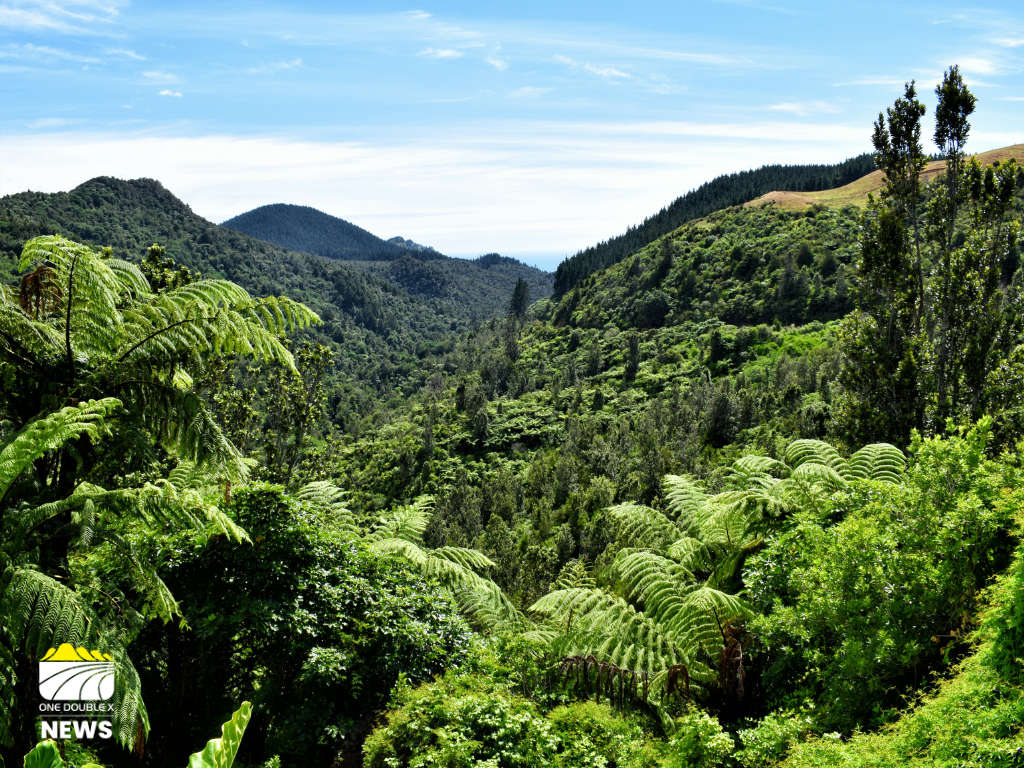
Wild dogs through the Waioweka Gorge have been bailing live stock, and even farm children, sparking calls for help controlling the issue.
Wild dogs have been present in the Waioweka Gorge for generations, but multiple packs of wild dogs are currently posing a huge threat.
Eastern Whio Link Co-Chair Sam "The Trap Man" Gibson said "We've had wild dogs in there since my grandfather's generation," but these wild dogs have been attacking sheep, cattle, and deer, causing concerns they will impact live stock and the roar.
""They come through and they start cleaning up whatever wildlife is around, and inevitably they end up on the farmland.
"We've had instances where they're on the backs of farms cleaning up huge numbers of sheep."
Kiwi and whio (blue duck) populations are also under threat.
"In the last six years we've grown the whio population from just four pairs of whio, so eight birds, and in the last six years we've raised 146 whio chicks, which is pretty exciting."
"The kiwi population is slowly coming back as well, but as you can imagine, having these packs of wild dogs running up and down the rivers, eating the slower birds, that's a real issue."
Ontop of this, some dogs recently had a run in with farm kids.
"We've actually had an instance where one of those packs has bailed up some farm kids in the bush, and luckily they're pretty switched on, they were hunting, but it's a bit scary when people become a prey item in the bush due to wild dogs," he said.
"When that happened, we knew that we needed to take this fairly seriously."
A farmer and hunter have culled three of the dogs since Eastern Whio Link warned locals on Monday, but Gibson said there are still active packs.
Many of the dogs are hunting or release dogs that have gone feral, "these dogs breed up over generations, and only the deer-catching genetics make it through it by the seams of things," he said.
It is clear from the dog behaviour they are not pets, or lost hunting dogs, "These are bred in the wild and anyone that comes across these dogs understands that they're very cautious."
"They're very risk averse, but they're also super aggressive," he said.
Having worked in Te Urewera as a DOC ranger, Gibson said the issue is present there also.
Despite the viciousness and population increasing, conservationists are struggling to deal with the issue.
"It's that they're there, and people don't have the budget in our conservation sector to be able to tackle them from a Department of Conservation perspective."
"And so, as we've seen with the Waioweka, most of the conservation outcomes have been left to community groups to look after, and it's a bit of a niggly one when wild dogs get left to community groups as well," he said.
Alongside public help, Gibson is calling for help from central government.
"We need the Department of Conservation to be funded or if the Department of Conservation doesn't have that funding, we need our local community led conservation groups to be funded so that we can bring in the experienced contractors to be able to deal with this."
Thermal drone operators and experienced cullers are ready to be engaged, but "we need the funding to engage those contractors."
"Community led conservation happens on the smell of an oily rag and without more sponsorship, more financial support, we just can't tackle this problem at this time."
Alongside contractors, Eastern Whio Link is in discussion with DOC about the issue.
Gibson acknowledges there are domesticated and hunting dogs in the gorge, which the public are cautious about.
"By no means are we suggesting that people go out and shoot dogs willy-nilly."
"It's about shooting those dogs that have been identified as being part of a wild pack."
Anyone who is intersted in being involved is encouraged to contact Eastern Whio Link to correctly identify the wild dogs.
 Single Vehicle Crash Near Edgecumbe
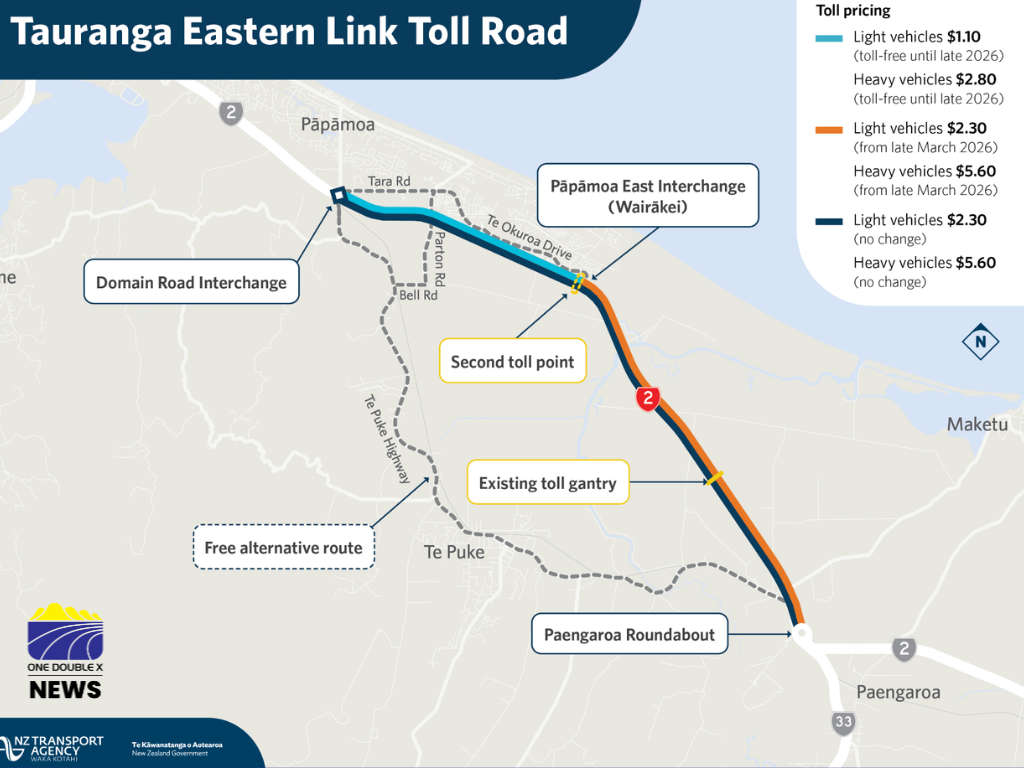 Second Toll Point to be Installed on Tauranga Eastern Link Toll Road
 Bay of Plenty Councils Explore Shared Water Services Option
 Waterwheel Historic Trust Gearing Up for Farming Like Grandad Country Fair