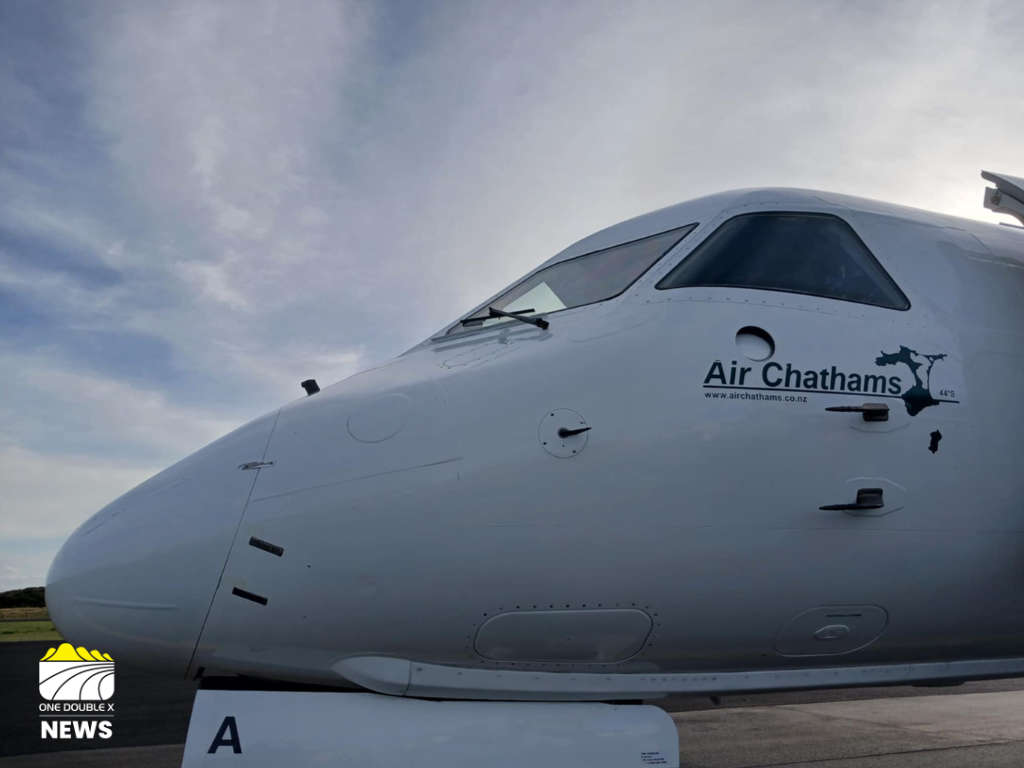
The Government has announced $5.7 million in working capital grants for regional airlines, including $1.2 million for Air Chathams, to help cover rising operating costs and maintain essential regional air services over the next 12 months.
The Government said nearly $26 million had already been provided to regional airlines through loans for aircraft acquisition and leasing, fleet maintenance and debt refinancing.
Air Chathams chief executive Duane Emeny said the latest funding was particularly important for the Eastern Bay of Plenty.
The airline has faced ongoing financial pressure on the Whakatāne-Auckland route since introducing its larger Saab 340 aircraft and has recently changed its schedule to reduce the direct operating costs of running the service.
“The important thing for the Eastern Bay to understand is that Air Chathams will receive $1.2 million as a grant through this fund, but that will only be paid out over 12 months,” he said.
The funding will be paid quarterly and is conditional on Air Chathams continuing to operate its current services at their existing frequency.
“What that means for the Eastern Bay of Plenty is that you will have an air service for the next 12 months at least,” Emeny said.
The 12-month commitment comes after the future of the Whakatāne service came under pressure.
Emeny said Air Chathams had been working with Whakatāne District Council, but no further support was offered following a public-excluded council meeting.
He said the focus now would be on finding a longer-term solution involving local councils, central Government and the region’s business community.
“We absolutely want to bring those back, but we’ve got to do it in a commercially sustainable way; we can’t be the ones that hold all the cost liability to do that,” he said, referring to the business-friendly flight schedules the airline previously operated.
Emeny said those flights were important to the local business community.
He said reliable air connectivity was also important for the region’s access to healthcare, tourism and economic development.
“I think at this point you know the community is really it’s quite critical that you have efficient ways of getting people in and out of your community,” he said.
Flights at suitable times could allow people travelling to Auckland or connecting to other domestic and international destinations to complete their journeys more efficiently.
Air Chathams’ interline relationship with Air New Zealand also allows passengers travelling from Whakatāne to book connecting flights through the Air New Zealand network.
Emeny said stronger connectivity could help attract visitors to the Eastern Bay and make it easier for specialist health professionals to travel to the region.
The airline is facing significantly higher costs across its operations.
Emeny said direct operating costs had risen by 35 per cent since the COVID-19 pandemic began, before the latest increase in fuel prices.
“We’ve had a 35% increase in direct operating cost since COVID and that doesn’t include the recent fuel crisis,” he said.
“Fuel’s gone up 79% since January this year in cost to us so it’s significant.”
The Government said jet fuel and aviation gasoline prices had increased by more than 50 per cent since March, adding to the pressures facing regional operators.
Emeny said the issue extended beyond Air Chathams and the Eastern Bay, with regional airlines across the country facing similar pressures.
He argued regional air services should be viewed as essential infrastructure, alongside other forms of transport.
“The cost to recover the sector and make it sustainable, similar to models that are used internationally, is actually really low; you’re talking sort of 10 to 20 million dollars per annum would actually keep the sector in a sustainable place,” he said.
“So really we just need government to actually recognize its infrastructure; you’re not just supporting private businesses, you’re supporting infrastructure and funding it appropriately.”
For Whakatāne passengers, the immediate outcome is greater certainty: the service is expected to continue at its current frequency for the next 12 months.
What happens after that will depend on whether Air Chathams, local authorities, the Government and the business community can find a sustainable way to support the route beyond the temporary funding.
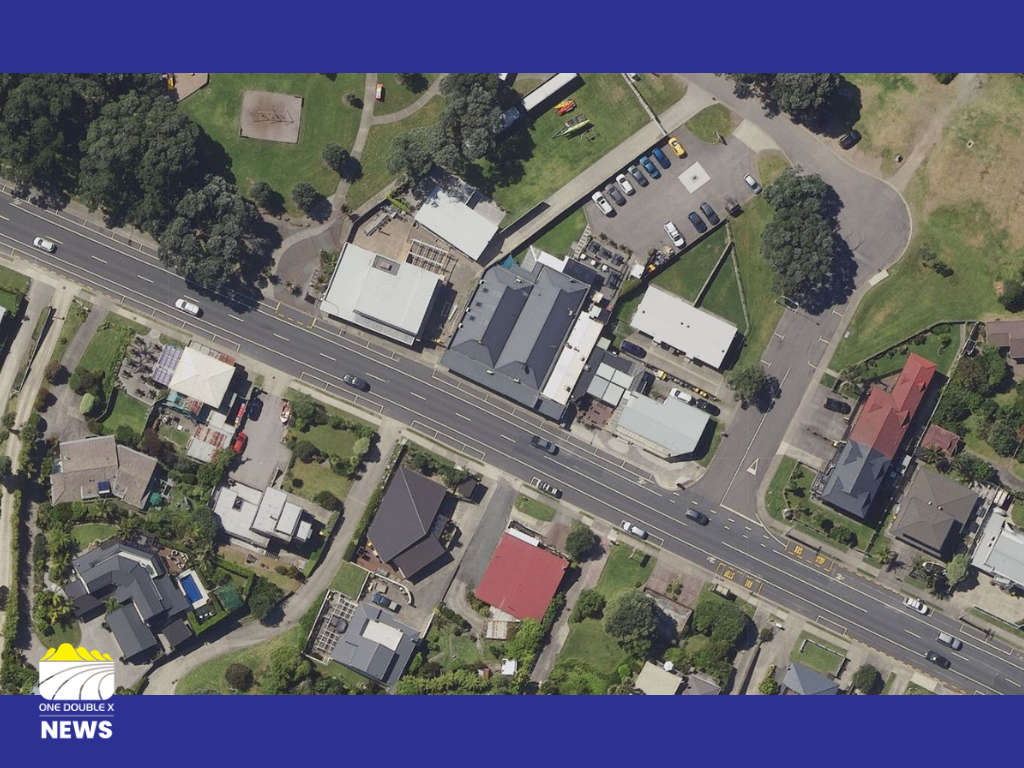 Crossing Options on the Table for Busy Ōhope Road
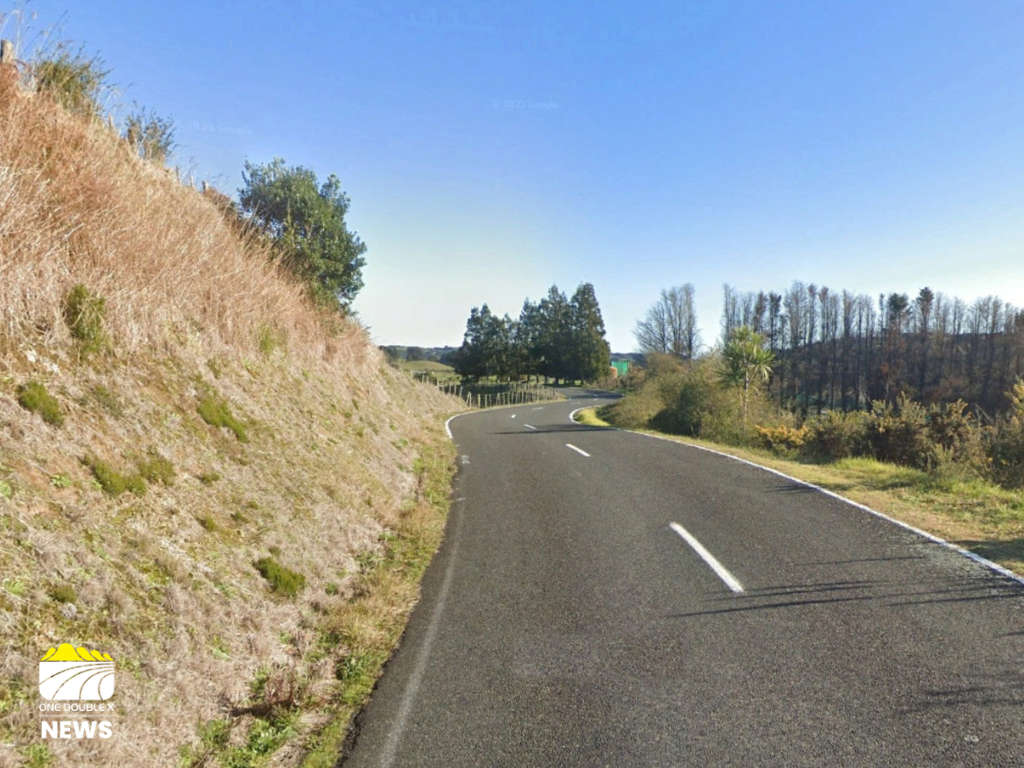 Safety Upgrades Underway on Key Ōpōtiki Detour Route
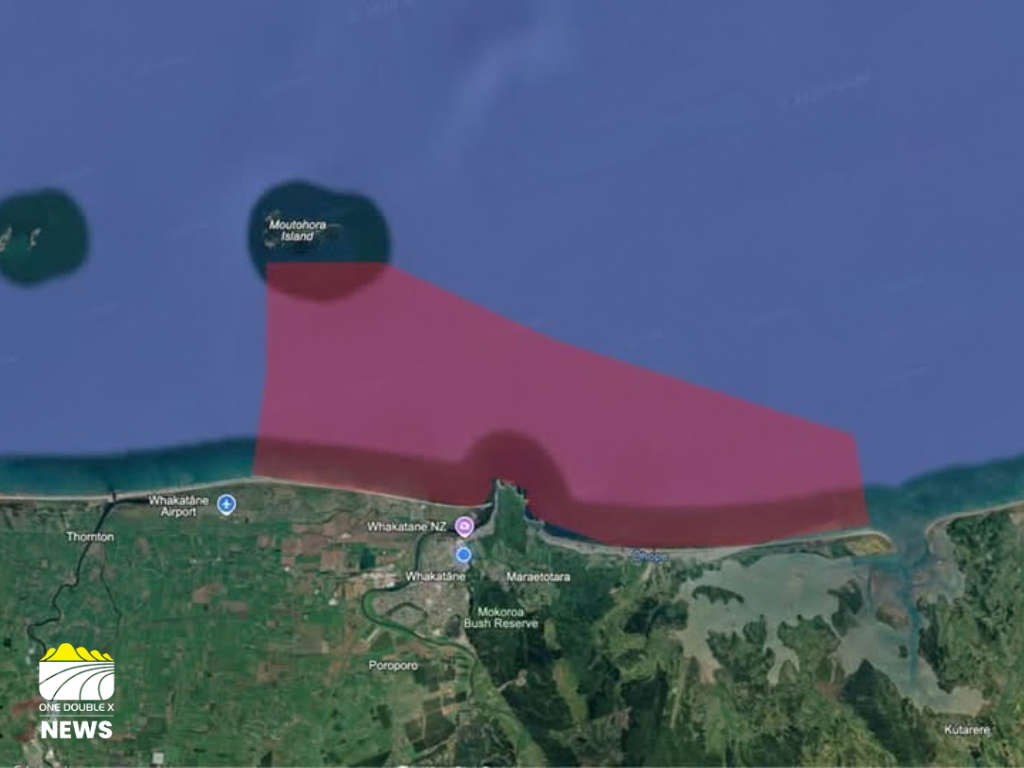 Rāhui in Place Following Recovery of Woman’s Body
 Woman Recovered Near Moutohorā Island After Ōpōtiki Search