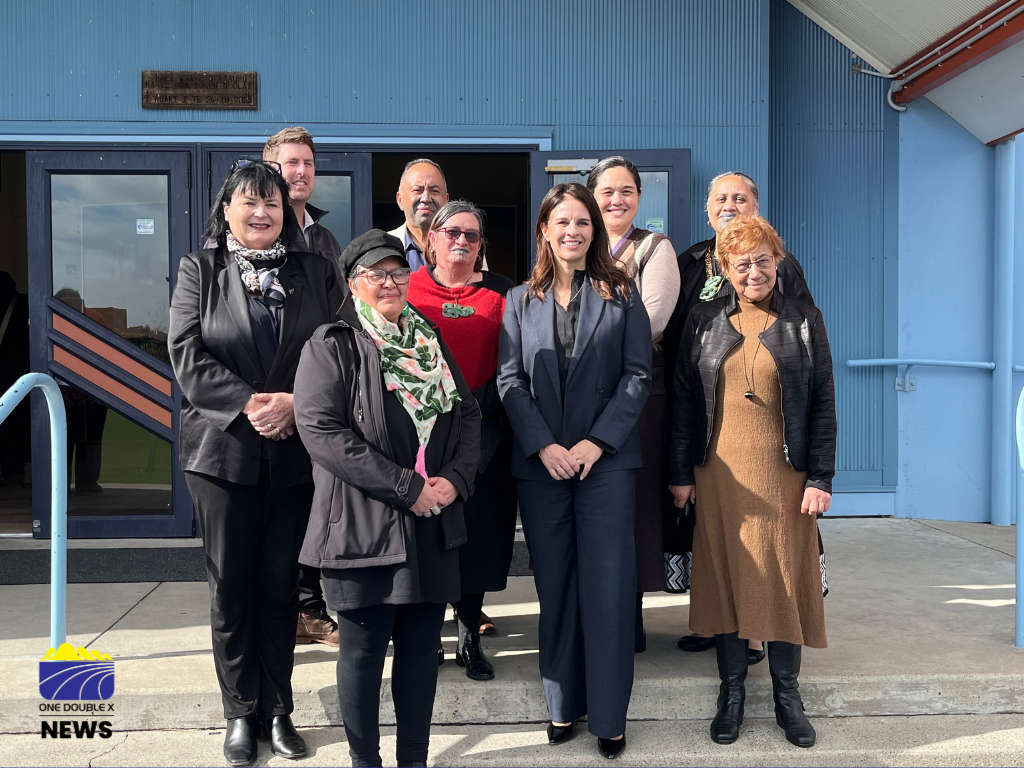
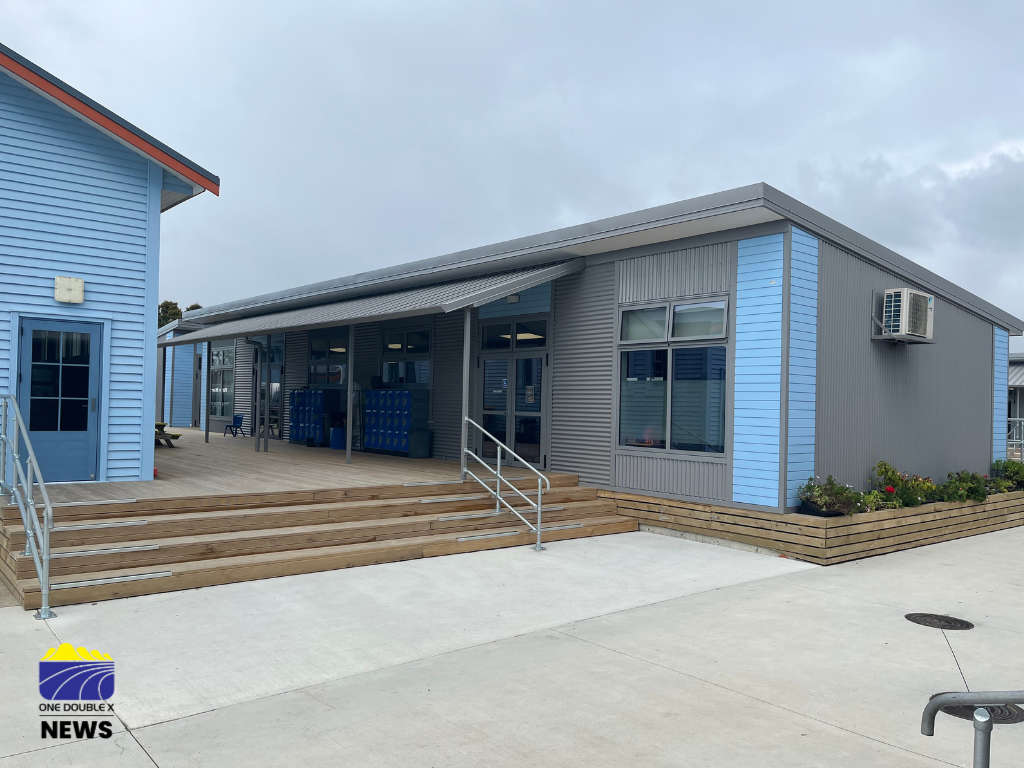
A major redevelopment at Te Kura o Te Pāroa in Whakatāne has transformed the school’s learning environment, delivering more than 17 new classrooms and upgraded learning spaces.
Education Minister Erica Stanford visited the school today to mark the milestone, highlighting the project as the first of its kind in New Zealand.
The redevelopment has expanded the school’s capacity while allowing learning to continue throughout construction through the use of modular buildings manufactured off-site.
Stanford said the approach had enabled the project to be delivered on time and under budget while reducing disruption for students and staff.
“It is the first school in the country where we have done a full school rebuild using off-site manufactured classrooms,” she said.
“It means a lot to the local community.”


While the new facilities were a key achievement, Stanford said the teaching taking place inside the classrooms was equally impressive.
She praised the school’s use of high-impact teaching methods across both te reo Māori and English, describing it as “one of the best I’ve seen in the country”.
The teaching approach, based on research from brain science and cognitive science, is something the Government hopes to expand nationwide.
“We want to roll this out to every school in the country over the coming years,” Stanford said.
She also reaffirmed the Government’s commitment to bilingual education, saying students learning in te reo Māori should have access to the same quality of teaching and resources as students learning in English.
“If they’re learning in English or te reo Māori, they should have access to the same high-quality resources, but also the same high-quality teaching.
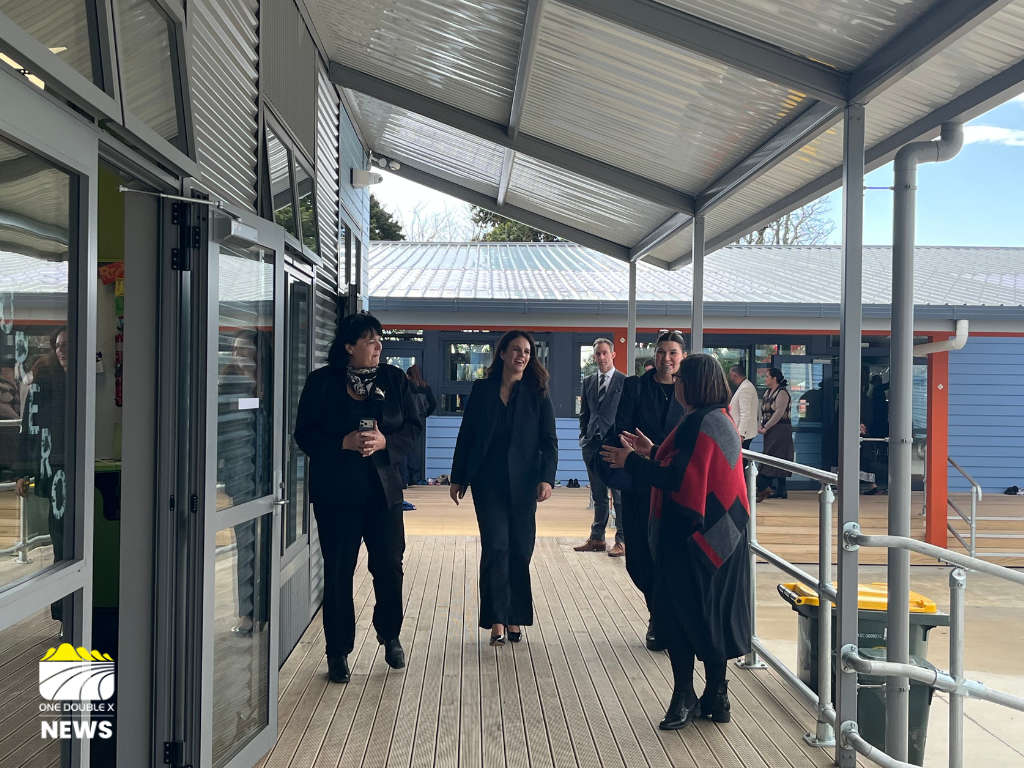 The buildings were manufactured off-site allowing learning to continue throughout construction.
East Coast MP Dana Kirkpatrick said the region had received significant investment in education over the past three years, with Te Kura o Te Pāroa embracing the opportunities created by the redevelopment.
“This school in particular has really picked up the reins and run with it,” she said.
Kirkpatrick said the new facilities had strengthened the school’s sense of pride and belonging, particularly for a school with a long history in the community.
“The investment in new classrooms gives them a pride, a sense of place in their school that's been here since the 1800s, and it means a huge amount to them.”
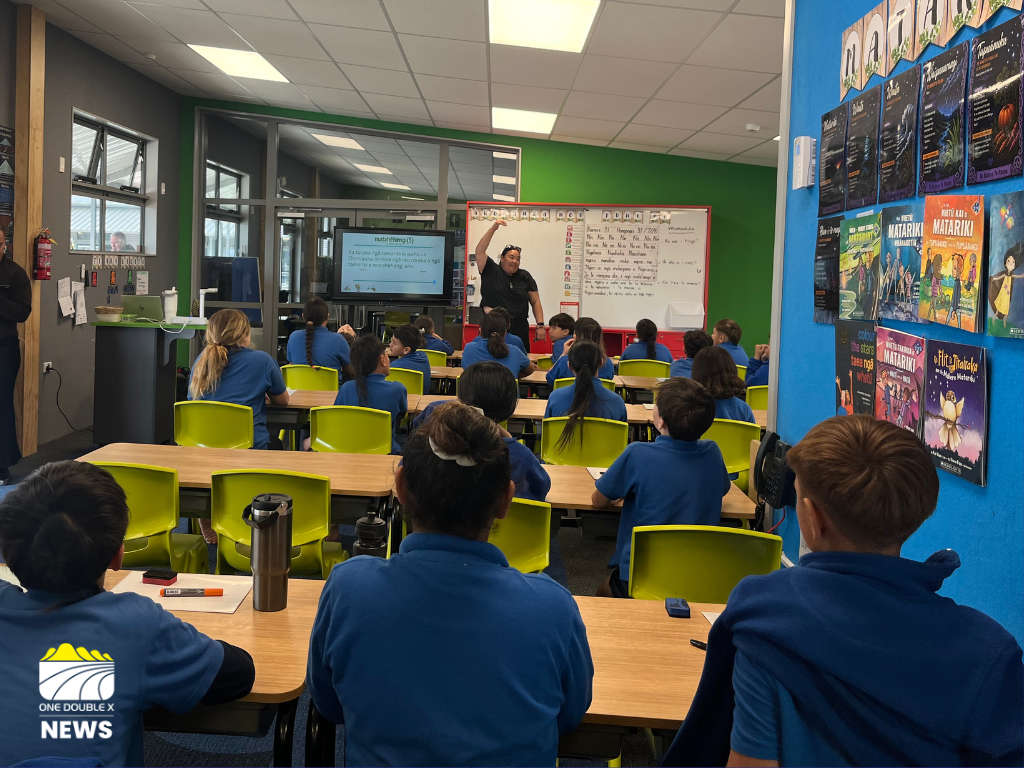 Stanford praised the school’s use of high-impact teaching methods across both te reo Māori and English.
Students said the new classrooms had already made a noticeable difference, providing warmer, more comfortable spaces that supported their learning.
One student said the new rooms helped create a better environment, with improved designs and more space.
“I like that the classrooms make us feel safe and it's very warm,” said another.
The redevelopment marks a new chapter for Te Kura o Te Pāroa, combining modern facilities with a strong focus on high-quality teaching and learning for future generations.
 Police Crack Down on New Gang Chapters in Ōpōtiki
 Under the House to the Try Line: Ruby and Her 11 Pups Seek Forever Homes
 Eastern Bay Local Government Future Left in Limbo After Head Start Decision Delayed
 Hillcrest Road Closures Scheduled for Friday