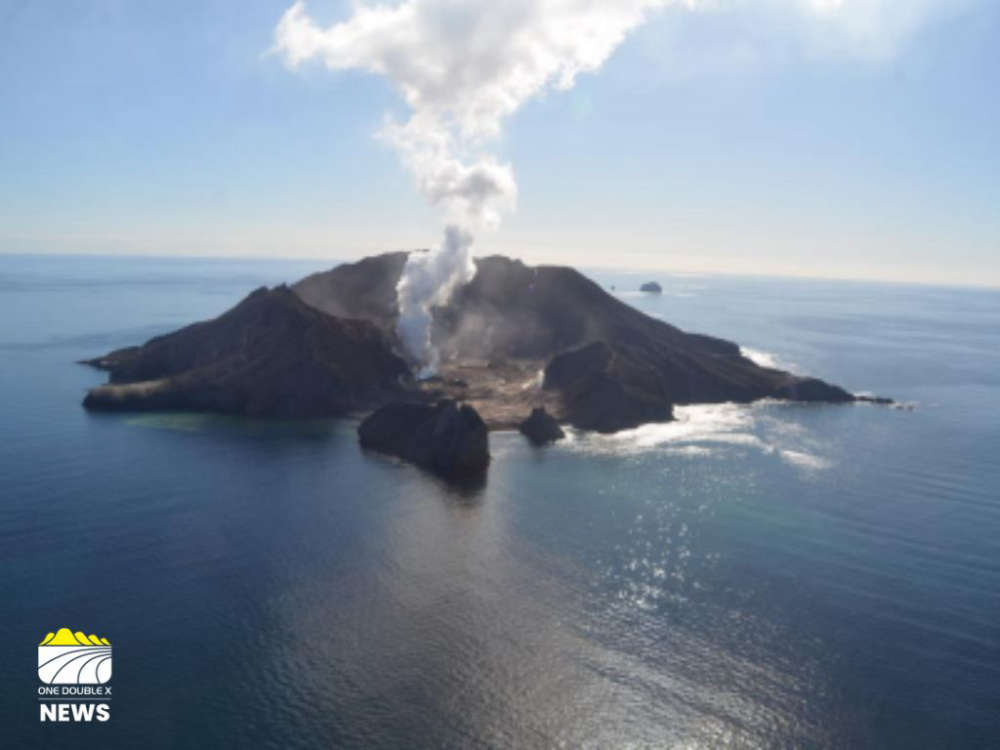
Steam and gas plumes have continued rising from Whakaari / White Island over the past week, with the volcano remaining at volcanic alert level two as scientists monitor the ongoing minor activity.
Earth Sciences New Zealand Geologist Michael Rosenberg said white plumes have been visible from parts of the Bay of Plenty coastline, and satellite sensors have detected small amounts of sulphur dioxide (SO₂) in the atmosphere above the island.
“Currently, there is no eruption,” said Rosenberg.
“However, volcanic activity could escalate with little or no warning, potentially affecting the crater floor area and the immediate vicinity of the island.”
Aircraft observations carried out during the past weekend confirmed that steam and gas are rising from the active vent on Whakaari.
No evidence of erupted ash or newly deposited rock across the crater floor was reported.
The volcano remains at volcanic alert level two, indicating moderate to heightened volcanic unrest.
The aviation colour code also remains at yellow, meaning volcanic activity is present but is not currently producing significant ash emissions that could affect aviation.
During a thermal infrared imaging flight on February 10, scientists measured vent temperatures below 100°C.
At the same time, small rockfalls were observed inside the crater area.
“Signs of small rockfalls (likely triggered by rainfall) were visible during that flight and were also seen in satellite (InSAR) imagery,” said Rosenberg.
Remote cameras positioned at monitoring sites in Whakatāne and Te Kaha have recorded low-level steam plumes from the island.
Depending on wind, lighting and atmospheric conditions, the plumes have at times appeared larger or shifted in colour from white to shades of brown or grey.
Satellite observations from the TROPOMI instrument detected elevated sulphur dioxide levels above background concentrations on several days last week.
Seismic Officer Katie Jacobs said this is not unusual for Whakaari; however, “it’s the first observation like that in the last six months.”
Rosenberg said the latest observations are consistent with the low-level volcanic activity reported in recent updates.
He explained that, due to the “lack of real-time monitoring data from the island, we cannot distinguish between volcanic alert level one and two and aviation colour code green and yellow.”
For safety reasons, the alert level will remain at least at level two until real-time monitoring instruments are restored.
Earth Sciences New Zealand’s Volcano Monitoring Group and National Geohazards Monitoring Centre will continue to closely monitor Whakaari/White Island for any changes in activity.
 Visible Police Presence in Region as Gang Tangi Travels From Rotorua to Ōpōtiki
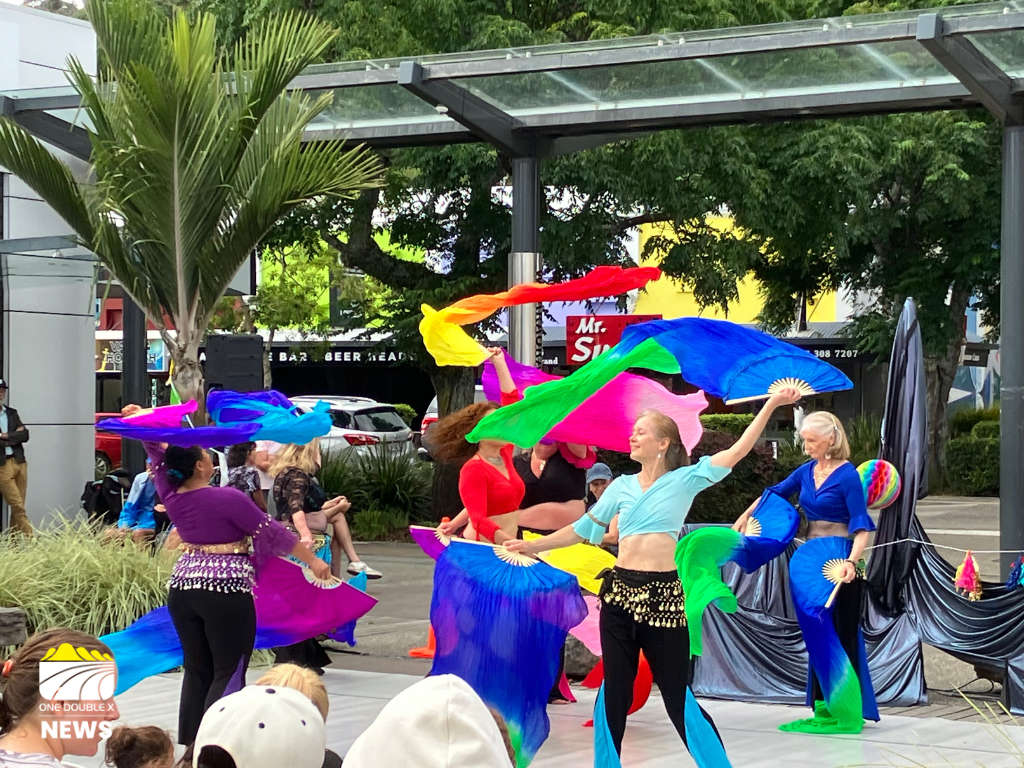 Dance Carnival Returns to Whakatāne, Celebrating Community and Creativity
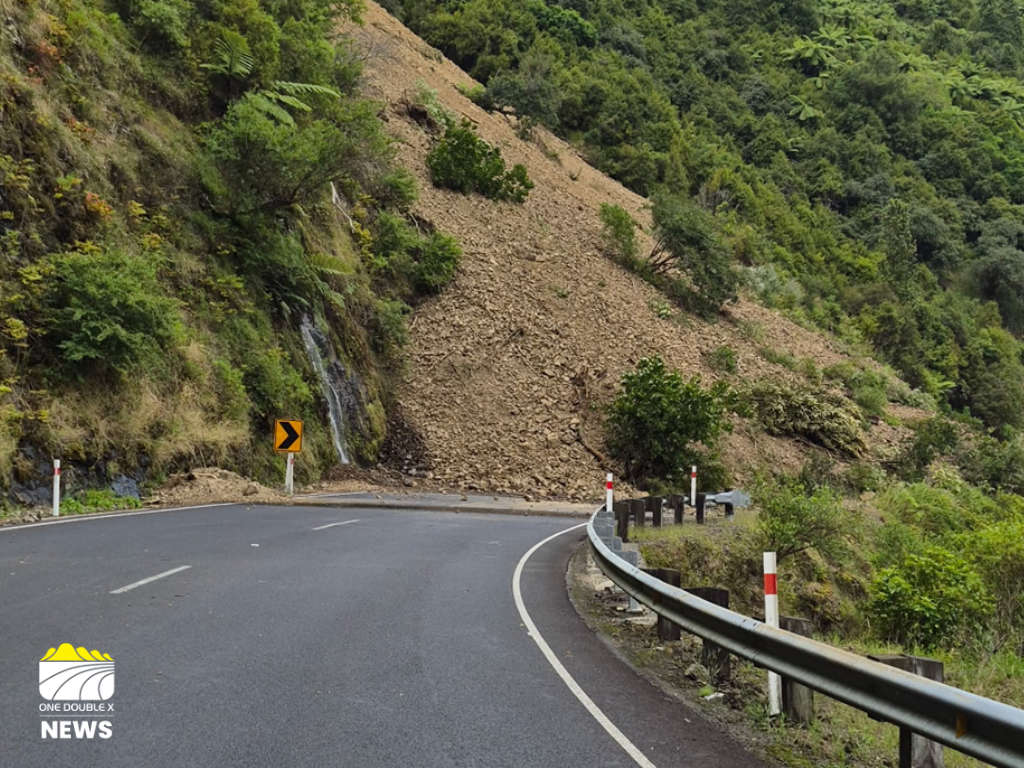 NZTA Plans Chose a Cheaper but less Effective Option to Fix Waioweka Gorge