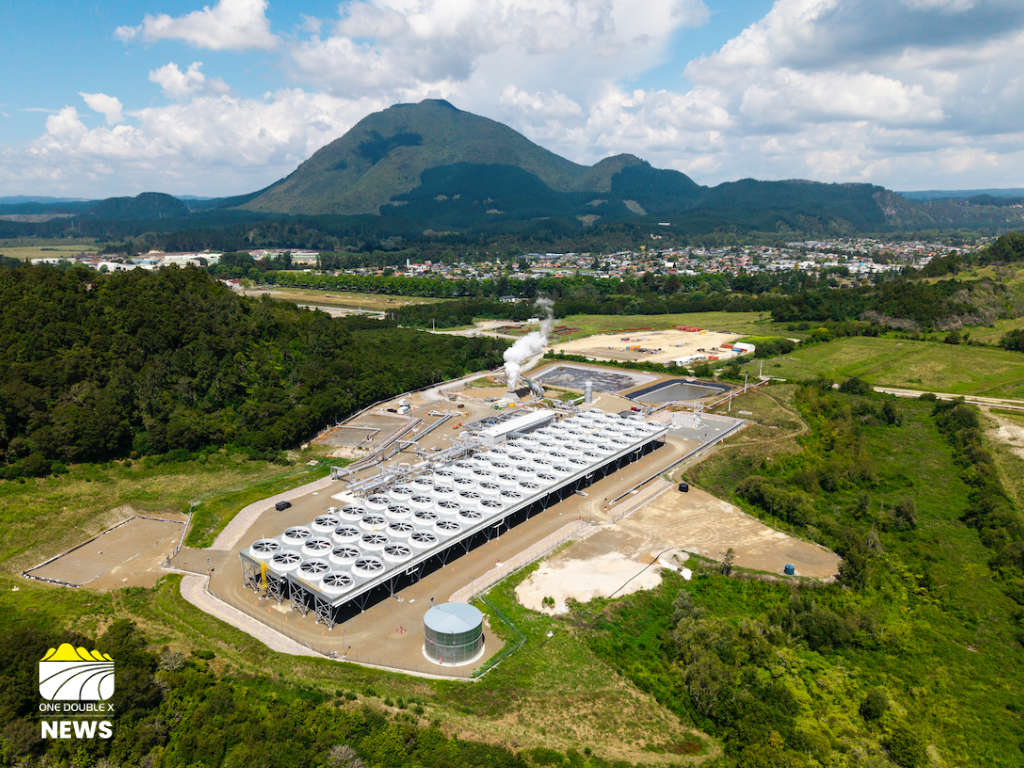
The new TOPP2 geothermal power plant in Kawerau is set to deliver more stable electricity prices nationwide while boosting regional growth, Eastland Generation said.
Following the opening of the TOPP2 geothermal energy plant, Eastland Generation CEO Alice Pettigrew said it was a stepping stone for regional economic growth and the wider geothermal sector.
"I think it is fantastic to put Kawerau on the map even more so than it already is as a geothermal energy hub."
The plant, which is a joint venture between Ngāti Tūwharetoa Geothermal Assets, Obayashi, and Eastland Generation, will provide local jobs, she said.
"We're very proud to have our core Eastland Generation team all based in Kawerau ... and we also use a lot of local Kawerau contractors on each of our power stations within supporting electrical and engineering roles."
While roles at the TOPP2 plant have been filled, new roles have just become available as planning work begins for two more Eastland Generation plants in Kawerau and Rotomā.
The energy produced by the current plant will benefit electricity prices over the long term, Pettigrew said.
The energy grid in New Zealand relies on renewable energy sources such as wind and hydro lakes, which have significant fluctuations in energy production depending on weather conditions.
When the energy from those sources are low, the energy grid is topped up using gas and coal, which can spike energy prices.
"What base load geothermal does is it helps to smooth those rate shocks by putting more consistent energy into the grid 24 hours a day."
"It doesn't matter if it's dry or wet or windy or sunny, the geothermal just constantly runs," she said.
"So whilst it doesn't directly contract to a homeowner, it will benefit them over the long term."
Despite powering the equivalent of 55,000 homes, Transpower will distribute the energy nationally.
"We don't specifically connect into the local grid, we connect into the Transpower National Grid."
"So it doesn't go from a start point to an end point, it goes into the grid and that's managed by Transpower."
However, some commercial and industrial contracts are available for places such as local mills, she said.
The TOPP2 plant, alongside the two new plants in Kawerau and Rotomā will help the Government's goal to double renewable energy by 2040.
Until late 2026, Eastland Generation will be planning, securing consents, and completing design work for the new plants, Pettigrew said.
She hopes exploratory drilling will begin in late 2026 or late 2027.
East Coast MP Dana Kirkpatrick told 1xx, the expansion of geothermal energy in the Eastern Bay is a fantastic opportunity.
"That's (TOPP2) just one example of how these partnerships and these approaches can work for the betterment, not only for local groups and communities and towns, but also nationally for energy availability and diversification."
"So if we can provide that and be a centre for that within New Zealand, then that's a great opportunity for us," she said.
Further geothermal energy could come from Whakatāne as well.
Government funding announced earlier this month will allow the University of Auckland to drill exploratory wells in the area, potentially finding another sustainable geothermal energy source.
Discussions about potential sites for this drilling are already underway.
 Police Crack Down on New Gang Chapters in Ōpōtiki
 Under the House to the Try Line: Ruby and Her 11 Pups Seek Forever Homes
 Eastern Bay Local Government Future Left in Limbo After Head Start Decision Delayed
 Hillcrest Road Closures Scheduled for Friday