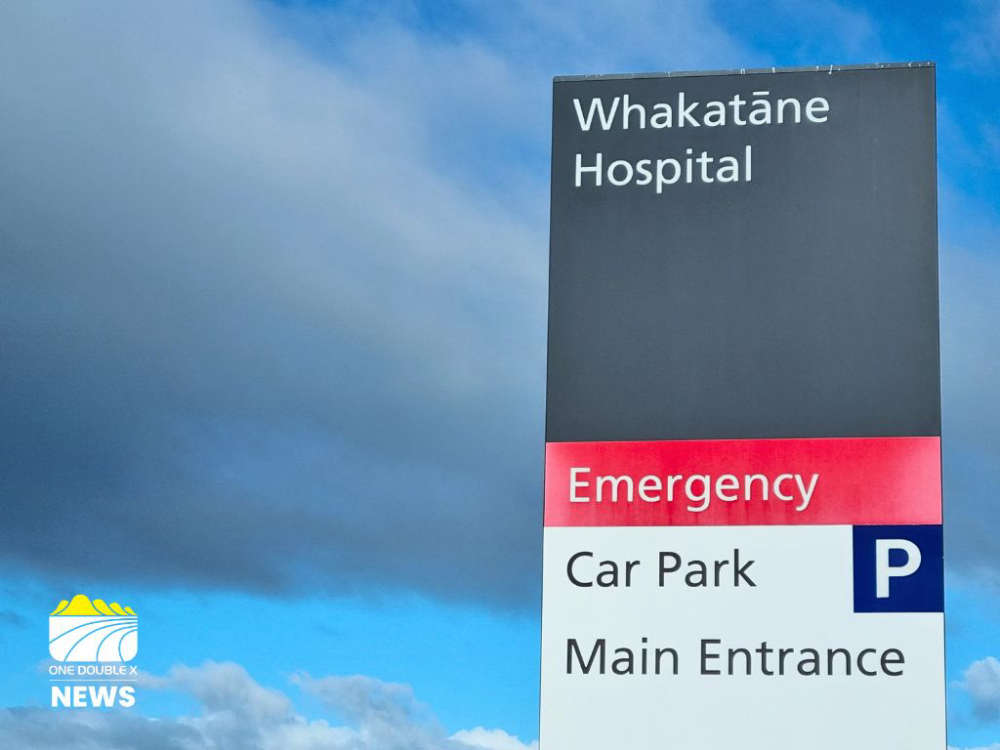
Nurses at Whakatāne Hospital say ongoing staffing shortages are putting pressure on staff and patient care, with workers regularly asked to cover vacant shifts.
Jill Lee, a New Zealand Nurses Organisation (NZNO) delegate and nurse, said the problem had been building for months and was not limited to winter.
“We’re feeling it’s unsafe staffing. We don’t have enough nurses to cover our shifts.”
Nurses were regularly contacted on their days off and asked to return to work, creating what Lee described as a “constant” stream of texts and calls about picking up shifts.
The pressure was affecting the level of care nurses could provide to patients.
“We can’t give the care that we want to give, or that our community actually deserves, because our loads are so heavy and it just adds so much pressure.”
“When you leave a shift, you don’t just leave work, and you’re done. That goes home with you.”
Lee said nurses could finish shifts worried they had missed something while caring for patients in busy conditions.
She also pointed to pressure in the emergency department, where high occupancy in inpatient wards was having a flow-on effect.
“ED is really busy, and that has a huge knock-on effect because our wards are full.”
“We’re running over 100% majority of the time.”
She described staffing pressure as a hospital-wide issue, spanning district nursing, renal, maternity, outpatients, theatres, surgical and medical wards, and mental health services.
Limited access to general practitioners also contributes to demand in emergency departments, Lee said, with some patients becoming more unwell before seeking hospital care.
“It’s not just Whakatāne Hospital, it’s every single hospital in this country.”
Staffing is a regular topic of discussion among nurses, with Lee also raising concerns about the removal of administrative and other support roles.
“They call you an IT and an admin, but we need those people to function properly.”
“They’re very important roles.”
Lee called for increased funding so hospitals could employ staff at levels considered safe.
“Provide funding for the hospital so that we can employ staff where we need to be safe.”
While nurses continued to cover shifts when asked, she stressed they also needed adequate time away from work.
“We also need to have our downtime, but you kind of don’t really get that because of the constant barrage of the need to be picking up shifts to cover shortfalls.”
Lee believes greater investment in the health system is needed to address the pressure.
“I would just really love to see proper funding of our health system so that our health system can work at its optimal, providing the best care for our community.”
Te Whatu Ora has been approached for comment.
 Government Investment Brings 133 New Homes to Eastern Bay of Plenty
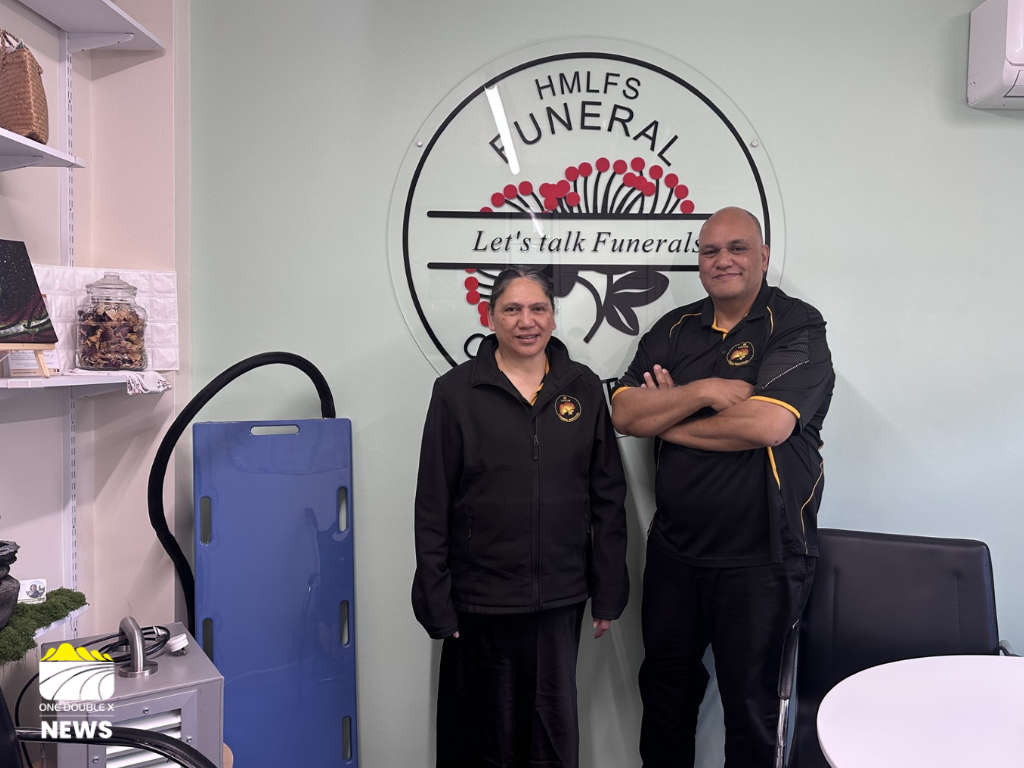 Kawerau Couple Helping Whānau Take Back the Care of Tūpāpaku
 Police Investigating Following A Crash On State Highway 30 Last Night
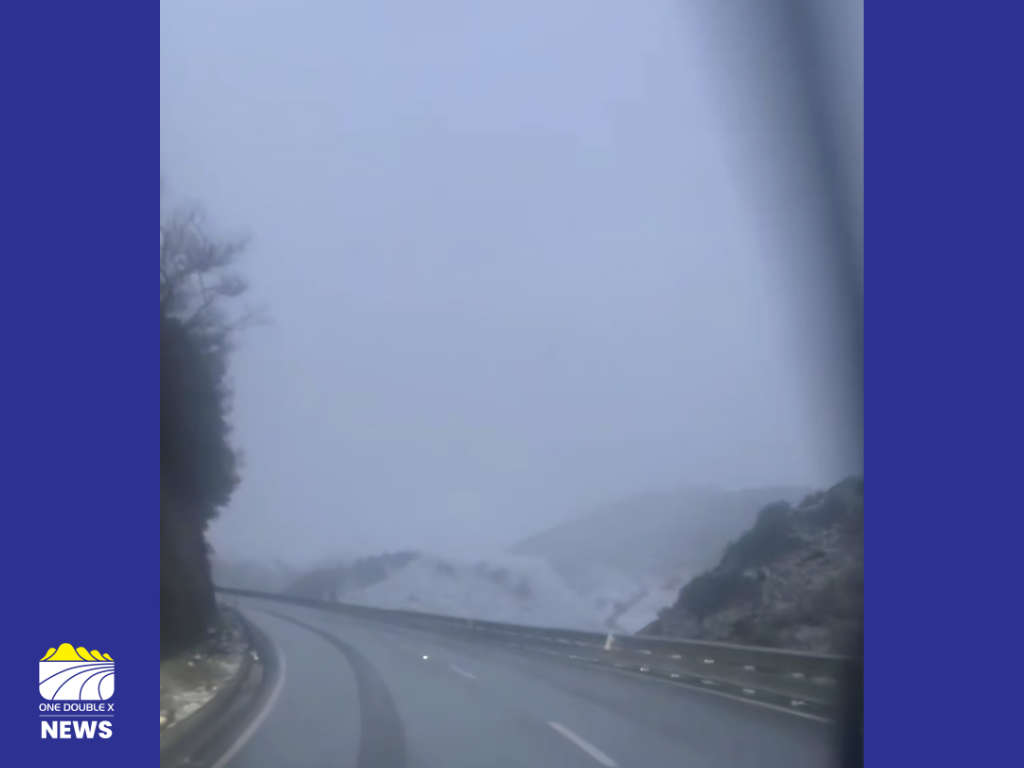 Caution Urged on State Highway 2 Near Matawai Amid Icy Conditions