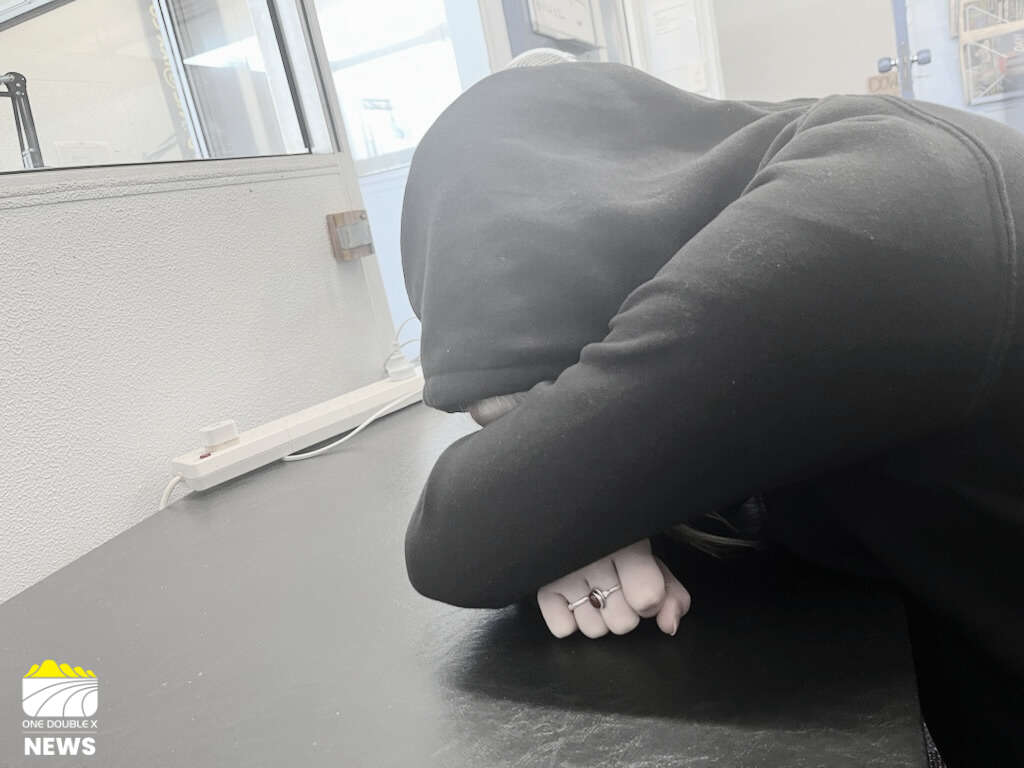
Youth mental health service provider Te Puna Ora o Mataatua said Eastern Bay rangatahi are under significant pressure.
WARNING: This article discusses suicide and may be upsetting to some readers
Eastern Bay children are experiencing a wide range of issues at home and at school along with lengthy wait times to see service providers.
"Our rangatahi are carrying a lot right now," and this is taking a toll Te Puna Ora o Mataatua's (TPOOM) Ngā Mata Waiora Counselling manager Matewai Wharepapa said.
Nationally 1 in 4 young people are experiencing high psychological distress, "and we're seeing that reflected locally, especially in rising anxiety, depression, isolation, overwhelm and disengagement from schools," she said.
Many rangatahi describe feelings of being stuck, isolated, or under constant pressure.
Contributors to these factors are varied and complex, she said.
Although Eastern Bay rangatahi are resilient, "they're just navigating social distresses that are adding pressure," Wharepapa explained.
The cost of living is causing stress to adults across the Eastern Bay, which "has a flow-on effect to our rangatahi."
Children are out in the workforce to help whanau manage their finances "so although the financial pressures might not directly affect them, it's going to affect them anyway," she said.
This is reflected also reflected in families impacted by the housing crisis.
Many Eastern Bay rangatahi are in transitional housing, Wharepapa explained, which causes instability.
"They're moving around a lot. They're moving from kura to kura because they need to."
She said this creates stress and adds to disengagement from school.
At school, bullying continues to be one of the most common issues for children coming to TPOOM or those "we engage with in the community and in schools."
"We have one of the highest rates in the OECD, and that is highlighted in the Eastern Bay of Plenty," she said.
Additionally, suicide is still having a large impact on the Eastern Bay.
Wharepapa said last year and so far this year, suicide is heavily impacting youth in the community.
"Māori rangatahi remain over-represented in national suicide statistics and in close-knit communities like the Eastern Bay."
"Every one of those losses of people has a ripple effect throughout our rohe," she said.
Throughout all the contributing factors, finding connection, and strong cultural identity is an important preventative factor, she said.
Mental health providers are struggling to provide the necessary support for the Eastern Bay, said TPOOM Corporate Director, Lee Colquhoun.
Many rangatahi feel hesitant to reach out, and those who do experience lengthy wait times.
"At the time someone's under a bit of stress, reaching out for counselling you're waiting 12, 16 weeks."
"That can go from a small issue to be amplified into almost a kind of crisis at that end because of the lack of services," he said.
This wait can also apply to those wanting to transfer services from one provider to another, which can hinder finding the right help for a client.
Colquhoun believed a lack of workforce development has made the issue worse.
TPOOM are "getting more and more people through the doors, but we're not putting the kind of expertise with the kind of workforce that we have," he said.
"Sometimes (TPOOM are) getting rangatahi that have higher needs than the support we're able to provide and then navigating that system can be quite difficult for our whanau to the point where they end up giving up," Wharepapa added.
TPOOM are a popular service provider due to their kaupapa Māori approach, however, there can be a struggle to provide for everyone, she said.
Due to the long wait times and reluctance to ask for help, young people are turning to alternative sources to cope.
Substance availability to youth is rising in Eastern Bay youth, Wharepapa said, and many are turning to substances as a coping strategy.
"We're starting to see more and more rangatahi come in with drug-induced psychosis, hallucinations because of substances."
Alternatively, children are turning to AI because they feel alone.
"They're turning to AI with ChatGPT to get that immediate reprieve through tools like that," she said.
"Although they do get that immediate support, what we're finding is that it isolates our rangatahi even more," she said.
Breaking the stigma around asking for help and whanau support is needed to help ease the stress, rangatahi in the Eastern Bay face, Wharepapa said.
"That's whānau-inclusive in addressing everything around the wraparound support, housing, financing, workforce development, and to make that process a lot easier for them to navigate," Wharepapa explained.
Children need a safe space to talk about what is impacting them directly or having a flow effect like financial pressure, she said.
Part of this is access to kaupapa Māori services so Māori youth feel supported in their culture and identity or customised services to speak to therapists including going to the gym or for a walk.
She expressed feedback and workplace changes are underway in TPOOM to make sure Eastern Bay Youth are getting the help they need within their services.
An after-hours clinic has been opened at the TPOOM GP clinic, and it is working alongside community lead initiatives to increase confidence to respond to the issues being faced in the community.
Wharepapa encourages anyone who is struggling to reach out and ask for help.
Concern for youth mental health is being expressed throughout the country.
Last month, a petition signed by 19,615 New Zealanders, was delivered to Mental Health Minister Matt Doocey, asking the Government for "urgent and significant action on child and youth mental health."
It expressed concerns that "it remains a reality that young people experience the highest rates of mental health challenges in the country yet wait the longest for support."
The petition calls for a plan for change.
Where to find help and support:
- Need to Talk? - Call or text 1737
- What's Up - 0800 WHATS UP (0800 942 8787)
- Lifeline - 0800 543 354 or (09) 5222 999 within Auckland
- Youthline - 0800 376 633, text 234, email talk@youthline.co.nz or online chat
- Samaritans - 0800 726 666
- Depression Helpline - 0800 111 757
- Suicide Crisis Helpline - 0508 828 865 (0508 TAUTOKO)
- Aoaki te Rā - 0800 000 053, aoaketera.org.nz free bereaved by suicide service
- Alcohol Drug Helpline -0800 787 984 (Youth line), alcoholdrughelp.org.nz/ to online chat
- For specific Eastern Bay of Plenty providers click here
 Local School Reinforcing Important 'Stanger Danger' Messages Following a Recent Assault
 Voting For Community Board By-elections in The Whakatāne District Closes Tomorrow
 Man Arrested After Alleged Assult on Ohiwa Harbour Road
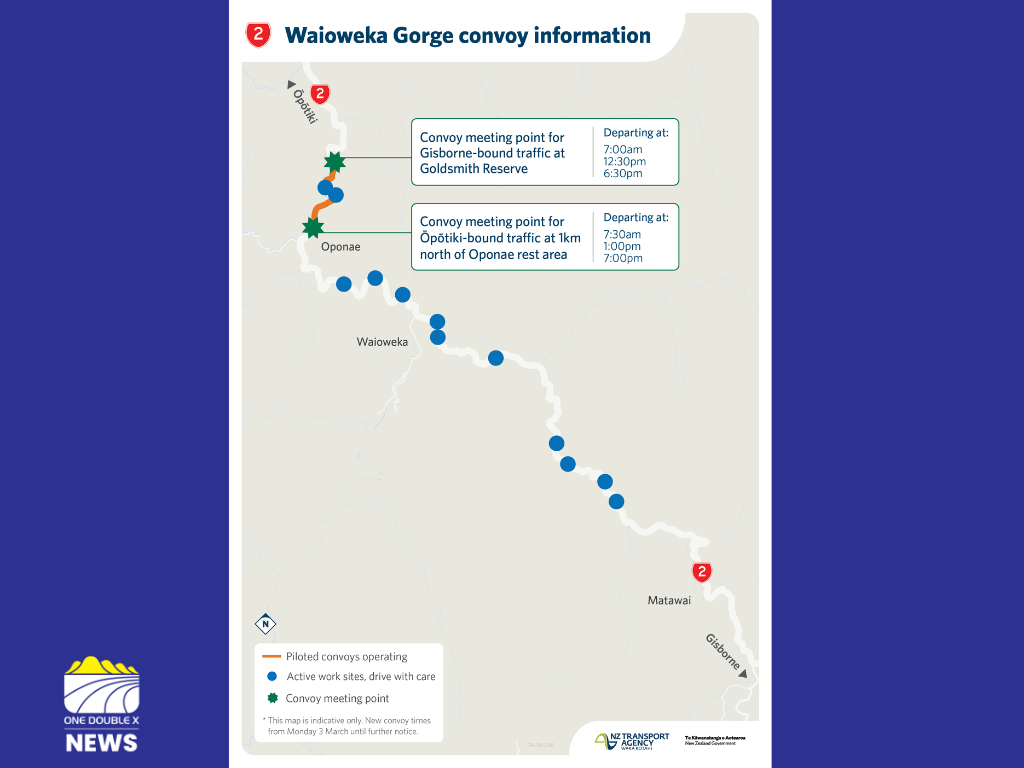 Waioweka Gorge Convoy Times and Length Changing