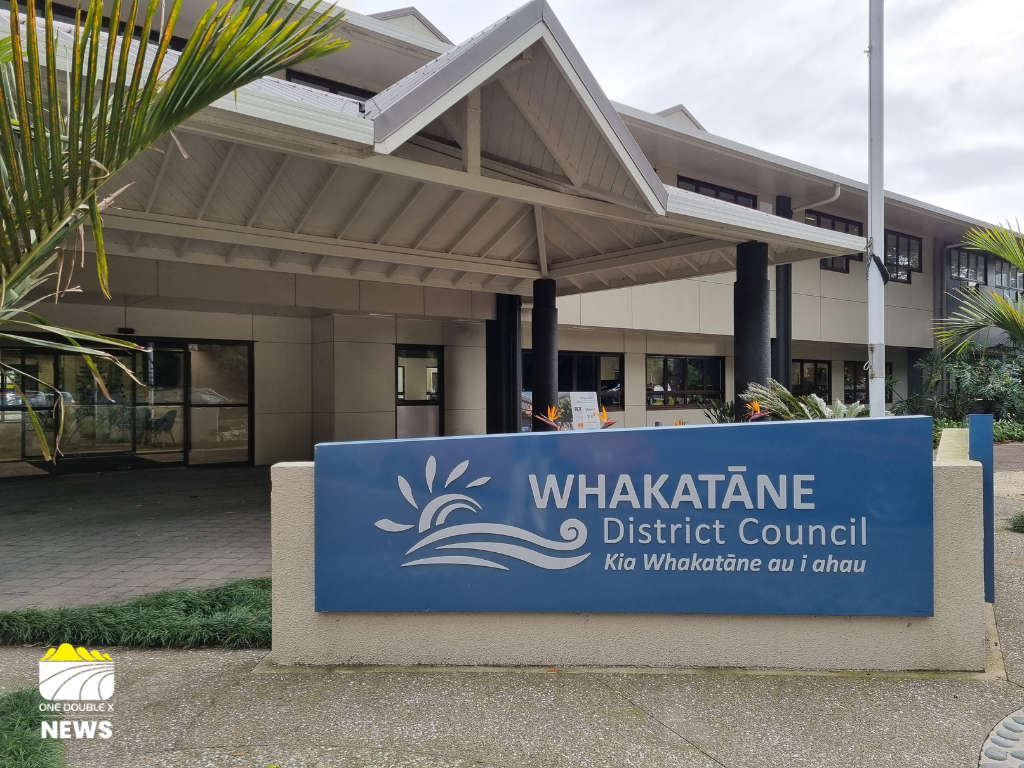
Whakatāne District Council has confirmed plans to establish a council-owned organisation to manage drinking water, stormwater and wastewater services across the district.
The decision was made at a Council meeting on Thursday, with Mayor Nándor Tánczos and councillors agreeing to move the district’s water services into a separate organisation wholly owned by the Council.
It follows public consultation earlier this month, which received 100 submissions.
Of those, 57 per cent supported a Whakatāne District Council-owned organisation, while 23 per cent preferred a multi-council controlled organisation.
A further 18 per cent supported keeping water services within an internal Council business unit, while two per cent preferred another option.
Tánczos said the decision was about ensuring water services were in the strongest possible position for the future.
He said significant investment in infrastructure would be needed over the coming decades to maintain safe and reliable services, and the current in-house model might limit the Council's ability to access the necessary funding.
Under the new model, the organisation would have its own board, appointed based on relevant skills and experience, while the Council would retain ownership and oversight.
Tánczos said the Council had also heard support for greater collaboration with neighbouring councils.
He said the decision did not rule out a future multi-council arrangement, but provided a practical way forward while opportunities for greater scale and cost efficiencies continued to be explored.
The Council had approved 1 July 2028 as the potential date for the new organisation to begin delivering water services.
The additional time would allow arrangements for governance, staffing, systems and the transfer of services to be established, alongside continued engagement with iwi and hapū.
Tánczos said the decision was an important milestone, but residents should not expect immediate changes.
He said water services would continue as usual while work got underway to establish the new organisation, with the community kept informed throughout the process.
 Strong Demand for Bay of Plenty Regional Council's Regional Benefit Fund
 Awakeri Growth Plans Approved, but Development Still Years Away
 Eastern Bay Commuters Face New Bus Routes From December