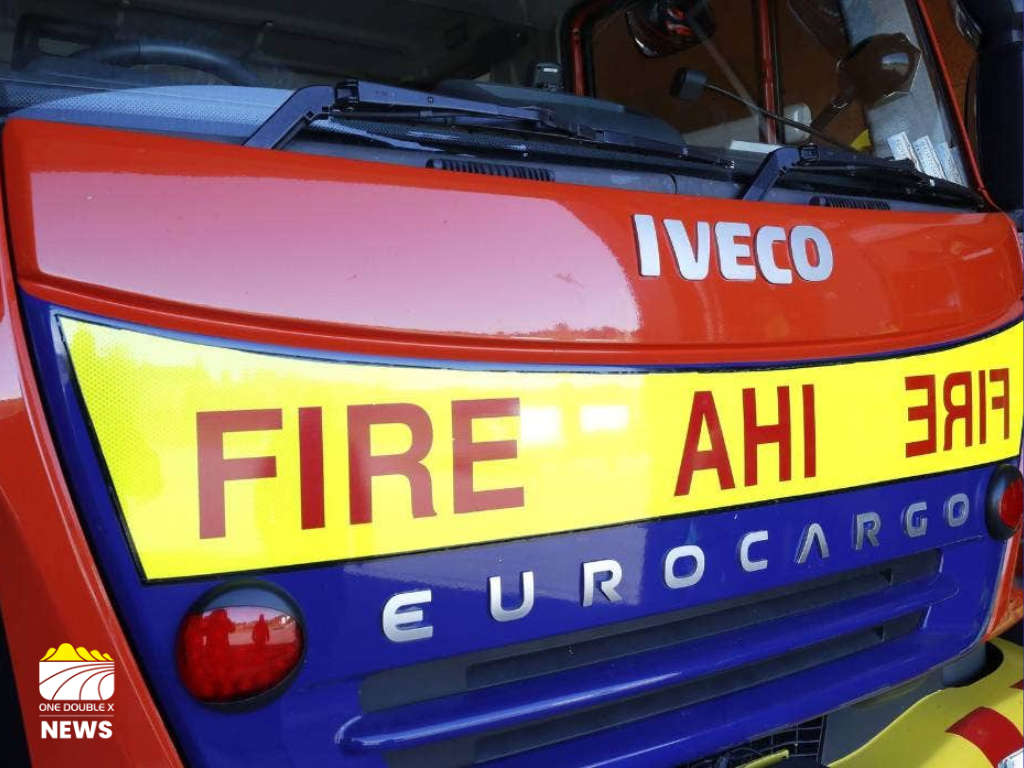
Fire and Emergency New Zealand is urging Eastern Bay of Plenty residents to stay informed, check fire restrictions before lighting any fires, and prepare for possible evacuations as the region heads into a potentially hot, dry, and windy summer.
Fire and Emergency New Zealand Community Risk Manager Luke Burgess said early indications of a strong El Niño weather pattern this season point to conditions that could significantly increase the risk of wildfire.
Burgess said hot, dry weather combined with wind could create challenging conditions for firefighters, making public awareness and preparation particularly important.
“What we would really want from people, particularly within the Eastern Bay, is to be aware of the communications that will be coming out from us,” Burgess said.
Fire and Emergency is planning to share information through its website, social media, local councils, partner agencies and community groups, with advice tailored to the level of risk at the time.
One of the most important steps residents can take is to use Fire and Emergency’s Check It’s Alright website before lighting any fire.
The online tool allows people to enter their address and check whether a fire permit is required. It also provides access to permit applications and guidance on carrying out activities safely.
Burgess said fire conditions could vary significantly across the district, meaning restrictions might come into force in one area before another.
“Some parts of our district have received more rain than others in recent times,” he said.
“This year you may actually find restrictions coming on sooner in a certain part of the district.”
He urged residents to check the conditions for their specific location rather than assuming the rules applying elsewhere would be the same.
If an area moves into a prohibited fire season, all fires covered by the prohibition must not be lit. Burgess said these decisions were based on scientific assessments of fire danger, rather than estimates or guesswork.
Fire and Emergency uses a system called the Fire Weather Index (FWI) to assess fire danger.
Weather monitoring stations across the district provide daily readings that feed into calculations used to determine the level of risk and whether restrictions are required.
The assessments take into account factors including vegetation and ground dryness, moisture levels, humidity, wind and how quickly a fire could spread.
Burgess said the readings were assessed against predetermined thresholds in the district’s fire plan, which guide when fire restrictions are introduced.
The organisation also monitors very high and extreme fire-danger days and adjusts its operational response accordingly.
For example, Burgess said an initial response that might ordinarily involve two fire trucks could be increased to four as the risk escalates.
“We are very, very closely monitoring the situation,” he said.
“We have control measures in place according to the risk that we’re seeing, and we will scale according to the risk that we are seeing.”
Alongside preventing fires, residents are being encouraged to think ahead about what they would do if a wildfire threatened their property or community.
Fire and Emergency’s wildfire preparation information links to advice from the National Emergency Management Agency (NEMA), including guidance on evacuation preparation and emergency grab bags.
Burgess said that, if an evacuation became necessary, authorities would provide information about where people should go and which direction they should travel.
He encouraged residents to familiarise themselves with trusted sources of emergency information before an incident occurred.
Being prepared and knowing where to find updates could help people respond more confidently if conditions changed quickly.
Burgess said preventing wildfire damage was a shared responsibility, with residents able to make a difference by following safety advice and spreading reliable information.
He encouraged people to share Fire and Emergency’s social media posts so that important warnings and practical safety tips reached as many people as possible.
The organisation’s website also contains advice for a wide range of activities, from using fire for land management and disposing of rubbish to carrying out burn-offs and lighting beach bonfires.
Anyone unsure about whether an activity is safe or permitted is encouraged to contact Fire and Emergency for advice.
“The more that people are informed, the more likely they are to make good and sound decisions in their assessment of risk before they undertake any activity,” Burgess said.
 Whakatāne Hospital Neonatal Unit to Expand Capacity
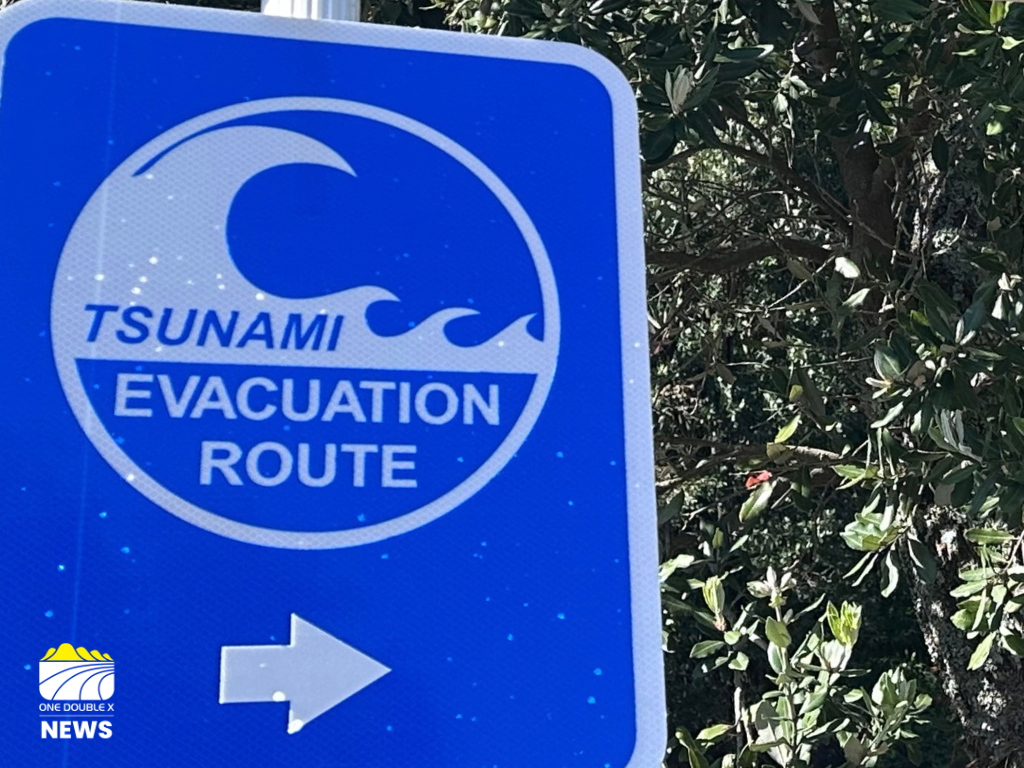 Get Out of the Blue: Eastern Bay Prepares for Shakeout
 Police Warn Trailer Owners After Wheel Thefts in Eastern Bay of Plenty
 Bay of Plenty-Raised Army Engineer Helps Renovate Indonesian Medical Facility