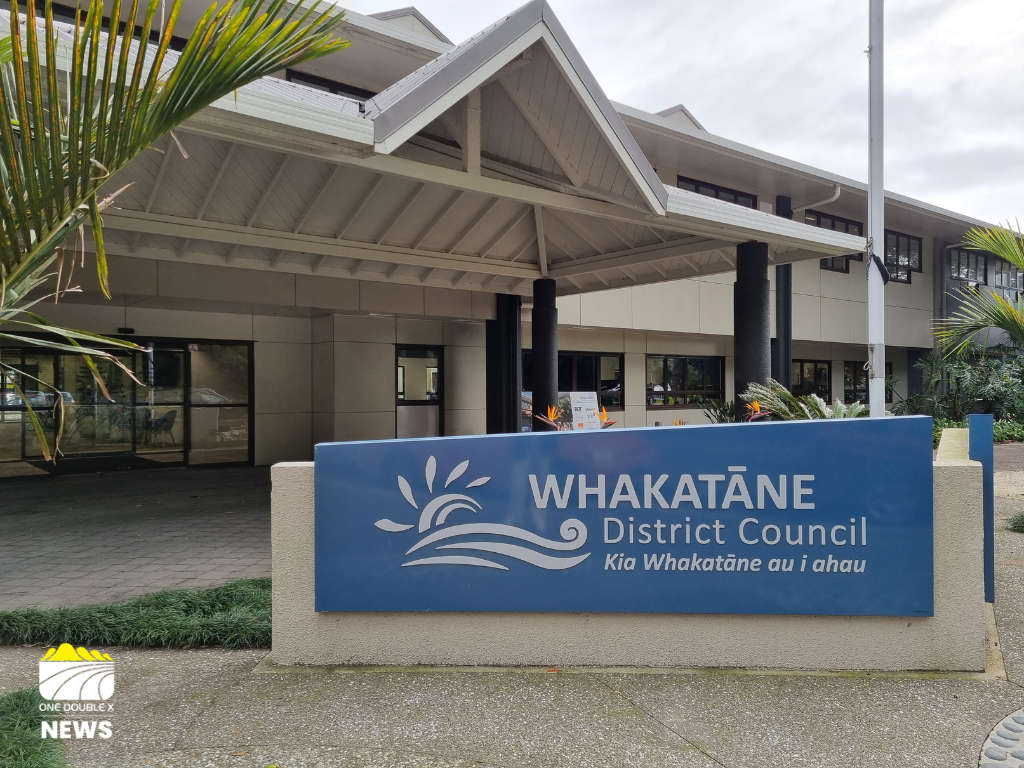
Whakatāne District Council has agreed to progress work with Kawerau District Council and Ōpōtiki District Council on developing a proposal for an Eastern Bay of Plenty unitary council.
The decision confirms Council’s preferred direction and allows further work to take place ahead of the Government’s 9 August 2026 deadline for outline proposals under the local government reform process.
The Government’s Simplifying Local Government reforms propose replacing the current two-tier system of regional and territorial councils with unitary authorities that combine both functions into a single organisation.
Councils can choose to take part in a voluntary “Head Start” pathway, which allows them to help shape future arrangements, or wait for a later compulsory process determined by central government.
Whakatāne District Mayor Nándor Tánczos said the decision reflects discussions with neighbouring councils, iwi, and feedback received from local communities.
“The Government has made it clear that change is coming. Today’s decision is about ensuring the Eastern Bay of Plenty is actively involved in shaping its future, rather than having that future determined for us,” Mayor Tánczos said.
Council considered several possible governance options, including wider Bay of Plenty and Eastern Bay-Rotorua models.
However, an Eastern Bay unitary council option emerged as the preferred direction based on themes raised throughout the engagement process.
These themes included maintaining local representation, recognising established communities of interest, strengthening council-iwi relationships, building on existing collaboration between Eastern Bay councils, and ensuring future decisions remain focused on local needs and opportunities.
Mayor Tánczos said community feedback showed strong support for keeping decision-making connected to the people it serves.
“A strong theme we’ve heard is that people value the Eastern Bay’s distinct identity and want local priorities to remain front and centre. An Eastern Bay unitary council has the potential to combine the benefits of reform with continued local representation and local accountability.”
Feedback gathered through Council’s engagement activities highlighted the importance of protecting local voice, maintaining established communities of interest, and ensuring investment and decision-making remain responsive to Eastern Bay communities.
Discussions with iwi also identified the Whakatāne-Kawerau-Ōpōtiki alignment as the option receiving the strongest support for further investigation.
Council stressed that the decision does not represent a commitment to submitting a final proposal to Government.
Further work will now be undertaken with Kawerau and Ōpōtiki district councils to develop an outline proposal for consideration.
“Today’s [Thursday, 23 July] decision gives us a basis for continuing discussions with Kawerau and Ōpōtiki districts on a potential proposal. Any proposal will still need to be agreed by the participating councils and considered by each Council before it can be submitted to Government ahead of the 9 August Head Start deadline,” Mayor Tánczos said.
Whakatāne District Council will consider the completed Head Start proposal at an Extraordinary Council meeting on 4 August 2026.
 SH2 Near Te Puke Golf Course to Close This Weekend for Railway Crossing Repairs
 Volunteers Aid Search for Missing Ōpōtiki Man
 Police Asking For Information After Man Reported Missing From Ōpōtiki
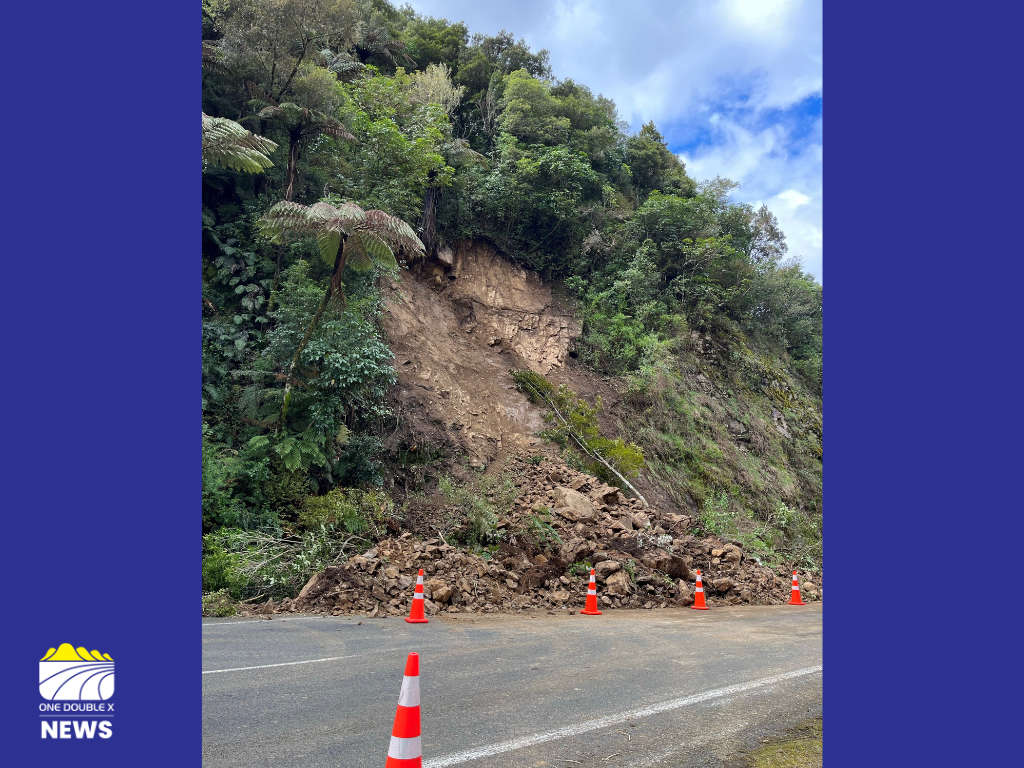 Drivers Warned of Delays on SH2 Through Waioweka Gorge