Earth Sciences New Zealand has lowered the volcanic alert level for Whakaari/White Island after no signs of eruptive activity have been detected since October 29.
The volcanic alert level for Whakaari/White Island has been lowered from level 3 to level 2, following the cessation of recent eruptive activity.
The aviation colour code has also been changed to yellow.
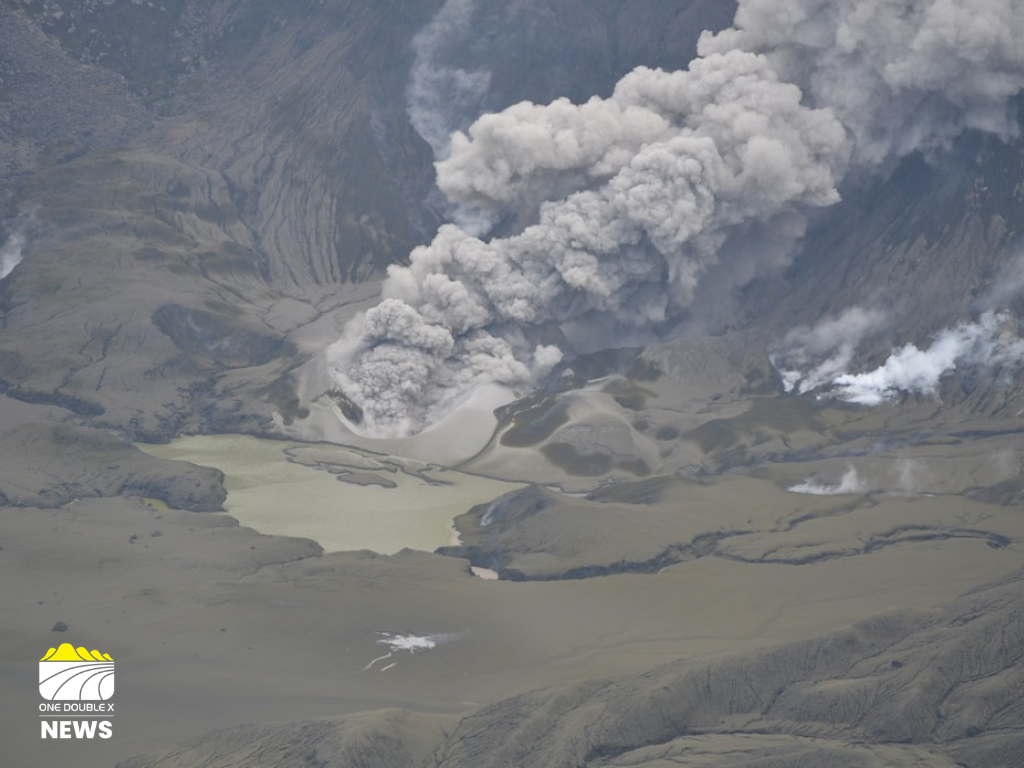
The volcano recently experienced a period of minor eruptive activity, with weak ash emissions and volcanic gas plumes detected through cameras positioned at Whakatāne and Te Kaha, alongside satellite observations.
The most recent ash emissions were observed on Thursday, October 29, with no further ash detected in camera or satellite imagery since.
Satellite imaging has also detected no sulphur dioxide (SO₂) over the past seven days, while other monitoring data have provided no clear indication of ongoing eruptive activity.
Despite the cessation of detectable eruptions, authorities warn that volcanic activity could increase again with little or no warning.
A video recorded during a tourist flight over the island on Saturday, October 31, showed an elevated steam and gas plume.
However, the footage was inconclusive as to whether small amounts of ash or aerosols were present.
"If ash is present, the quantities are too small for our webcams or for satellites to detect," said Earth Sciences New Zealand (ESNZ).
The lowered volcanic alert level 2 indicates moderate to heightened volcanic unrest, rather than the volcano being completely inactive.
“Volcanic activity could pick up again with little or no warning,” it said.
Sudden explosive activity could still occur, potentially producing rock falls, ash emissions and pyroclastic flows.
These hazards could threaten people on the Main Crater floor and in the immediate offshore area southeast of the island.
Ash fallout could also affect aircraft and vessels operating near Whakaari/White Island, although significant impacts on mainland New Zealand remain very unlikely unless activity escalates substantially.
ESNZ said monitoring remains challenging due to the lack of functioning instrumentation on the island.
The organisation’s Volcano Monitoring Group and National Geohazards Monitoring Centre will continue observing the volcano using remote observations from the mainland, satellite imagery and occasional flights near the island.
The agency acknowledged the limitations of its monitoring capabilities, and its "ability to monitor Whakaari/White Island in near-real time remains very limited due to the lack of functioning instrumentation on the island.”
Additional information from MetService will also support monitoring efforts.
Potential impacts on aviation will continue to be assessed and communicated by MetService’s Volcanic Ash Advisory Centre.
ESNZ said further updates will be provided when information becomes available or the volcano’s status changes.
 Two Youths Arrested Following Edgecumbe Hammer Attack
 International Rally Stars Set to Take on Bay of Plenty Roads
 1814 to Headline New Whakatāne Reggae and Seafood Festival
 Whakaari Eruptions Continue as Alert Level Remains at 3