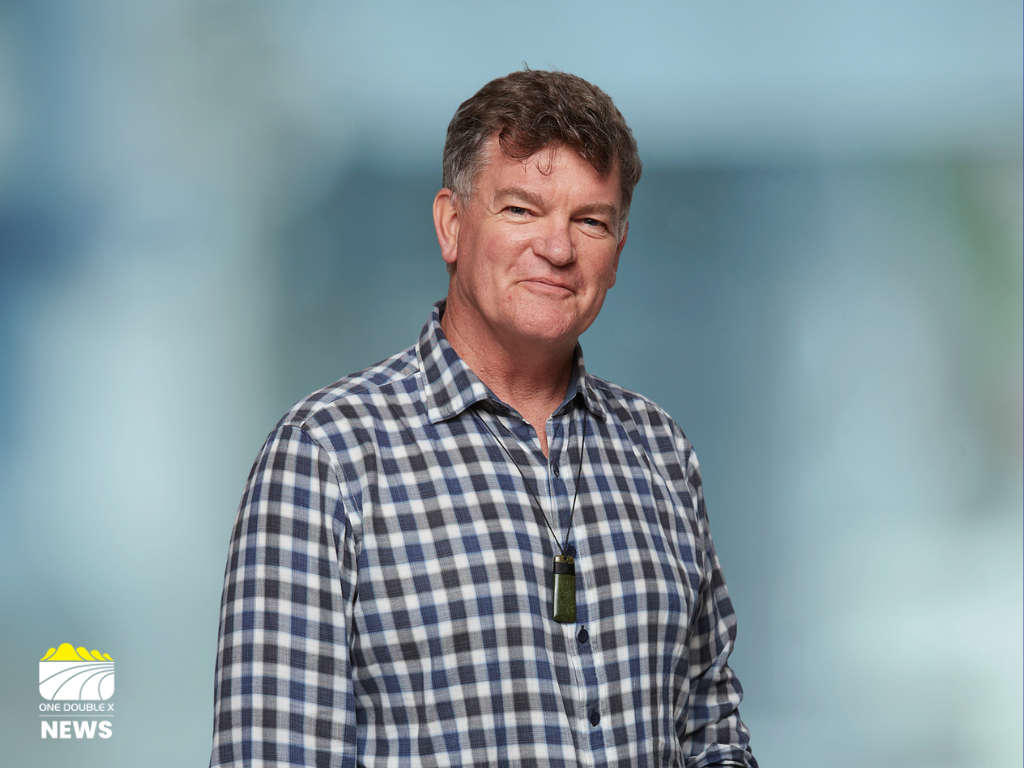
An Ōpōtiki Doctor is helping drive national changes to rural healthcare, while continuing to advocate for better access and support for patients closer to home.
Ōpōtiki's Church Street Surgery Clinical Director Dr Jo Scott-Jones is continuing to shape rural health care, building on decades of work, including receiving the John McLeod Oration, an international award recognising his contributions.
Scott-Jones said community members and colleagues have shown their support following his recognition, which has been humbling.
Having worked in Ōpōtiki for the past 30 years, he said the Eastern Bay has been a supportive and challenging place to work.
"He tāngata, he tāngata, he tāngata."
"We found Ōpōtiki, and our community in Whakatāne, to be an incredibly supportive place, a fantastic environment to raise children and an incredibly professionally satisfying place to work."
While he is still Clinical Director of Church Street Surgery in Ōpōtiki, he is now involved in a number of projects helping to evolve health care nationally.
Recently, Scott-Jones said he has been part of developing the New Zealand Postgraduate Medical School in Hamilton.
"I saw students from Ōpōtiki College who wanted to do medicine get through going to Health Sciences in Otago and Auckland, and then I would see them back again a few months later because they hadn't been able to adapt to the very competitive nature of those courses."
The new school will give people from the Eastern Bay an alternative pathway to complete their studies, he said.
He hopes this will boost the medical workforce coming into the Eastern Bay.
Scott-Jones continues to advocate for rural health care at a national level as well.
Health Minister Simeon Brown told 1xx capitation funding currently funds clinics based on the age and gender of their patients, but following investigations this will now include how rural those patients are.
"Practices in our rural communities, will receive increased funding based on the rurality of the patients that they serve, their location and the different needs that they have."
"That will allow those rural practices to be able to invest in different things, whether it's more staff, a different mix of staff, technology, whatever they think is the best way that they can serve the patients that they have on their books," Brown said.
Scott-Jones said he has been involved in working groups for this change.
"We have shown that people who live in rural communities do have higher needs, and they spend longer periods of time in primary care once they're in the system."
He hopes funding changes will allow general practises to support their practices needs.
Scott-Jones is also pushing for rural GPs to upskill and for the return of rural generalism to better support patients.
In early April $1 million was announced to assist rural GPs in upskilling so services can be provided closer to rural patients.
“Training will focus on practical skills such as assessing and treating heavy or unusual bleeding and removing and examining skin lesions, along with other planned care priorities," Associate Health Minister Matt Doocey said.
Scott-Jones said for rural GPs training costs more than their urban peers, but the need to upskill is growing.
"If we have to travel out of our community in order to attend for upskilling, there's additional travel and accommodation costs."
"If you're in an urban environment and you take a day out to upskill, you don't have those additional costs."
"They have the same contract, they have the same income, but rural GPs have additional pressures and need to expand what they do."
Alongside upskilling, Scott-Jones is pushing for rural generalisim to make a return,
Scott-Jones said when he first arrived in Ōpōtiki 30 years ago, there was one doctor providing multiple kinds of care.
"A rural generalist doctor providing services, intrapartum obstetrics, ambulance support, running an ED, and doing general practice, that's what our communities need."
Services currently have specialists in a field — for example, speech language therapists may specialise in children or the elderly — but in rural communities therapists need to serve everyone.
"Rural generalism is a way of encouraging professions to step up their training and accreditation into providing what's needed within each individual community."
He wants to see this concept apply to pharmacists, physiotherapists, nurses and doctors in rural areas, allowing for improved quality care close to home.
The need to provide care close to home in the medium term is increasingly important as fuel costs rise, he said.
Scott-Jones said while working in Tokoroa recently, patients have been pushing back against being sent to Waikato Hosiptal for appointments.
"They're finding the idea of that really challenging because they just haven't got the fuel to put in the car."
While some families are receiving $50 a week in fuel subsidies, Scott-Jones said this is not supporting some families who need to get to appointments.
"If I was able to provide those patients who I identified as needing help with a voucher to support them for the travel, I think that would be a really targeted way of dealing with very specific needs, on a need-by-need, case-by-case basis."
"I'd like to see something like that developed at this time."
He said at the Church Street Surgery, doctors are continuing to provide online appointments where possible, but some appointments are required to be in person.
"I've got some practitioners that have really ramped up their virtual first services pretty much back to what it was during Covid because their population has found it really, really difficult to come in, and I really admire that."
He said the longer the fuel strains continue, the more likely it is practitioners will need to follow suit.
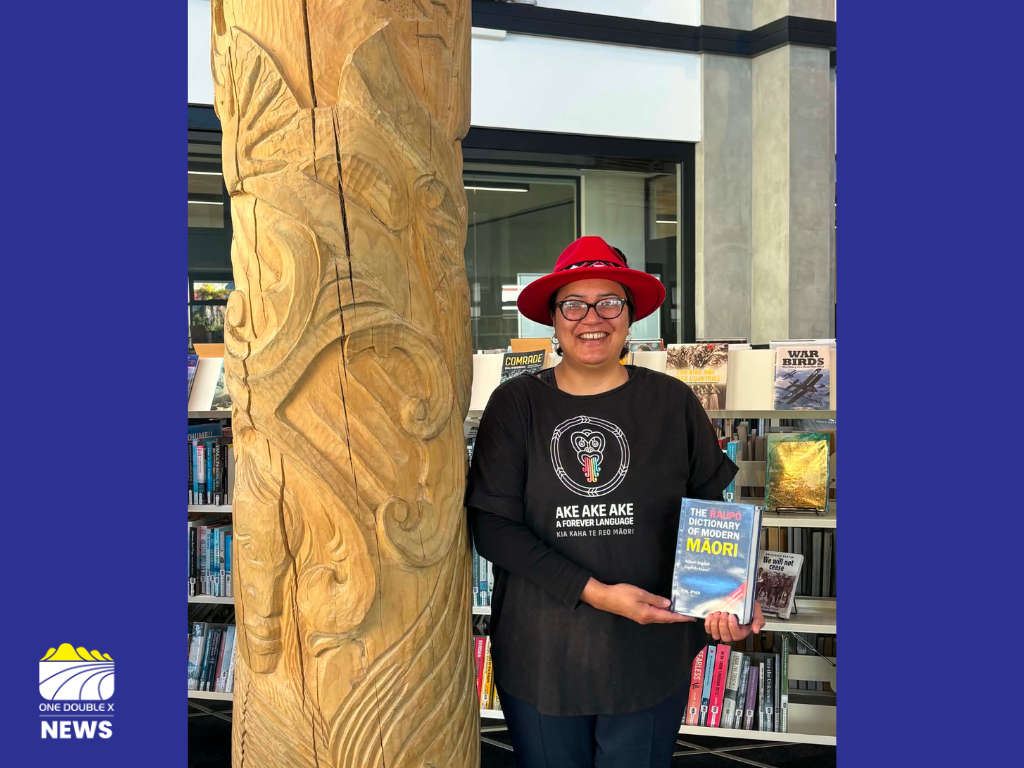 Te Tāhuhu o Te Rangi Invites Local Residents to Celebrate Te Wiki o te Reo Māori
 Trust Horizon Bill Passes Parliament, Opening Door to Wider Charitable Funding
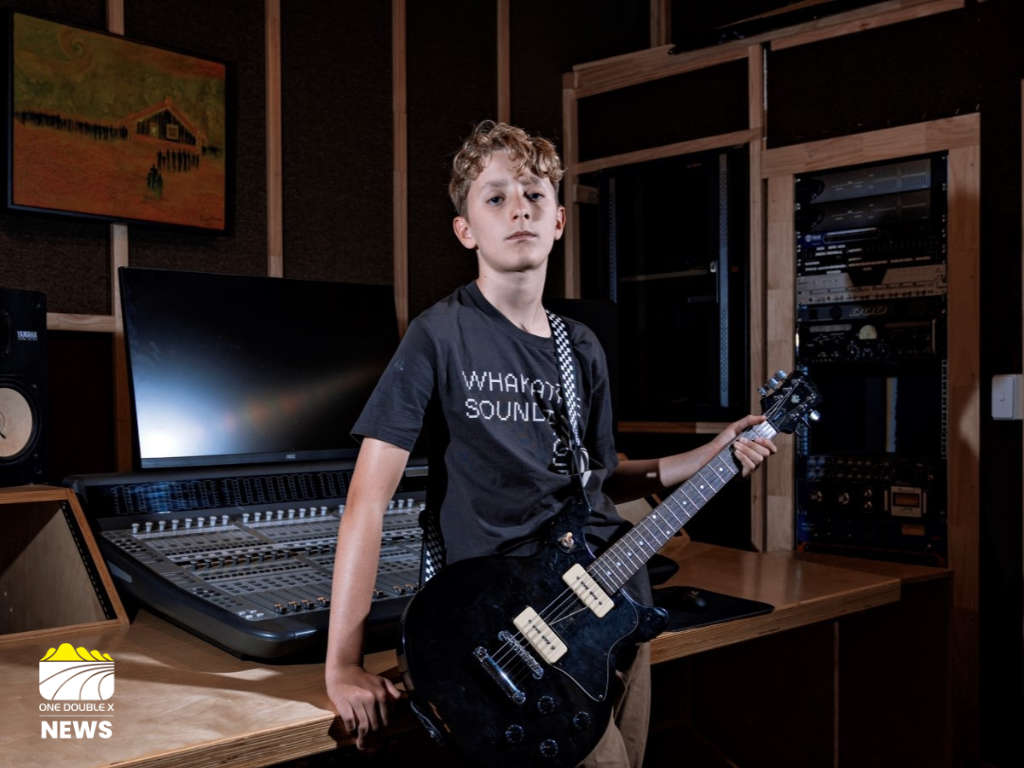 Whakatāne Teen Takes Another Step Towards His Dream of a Music Career