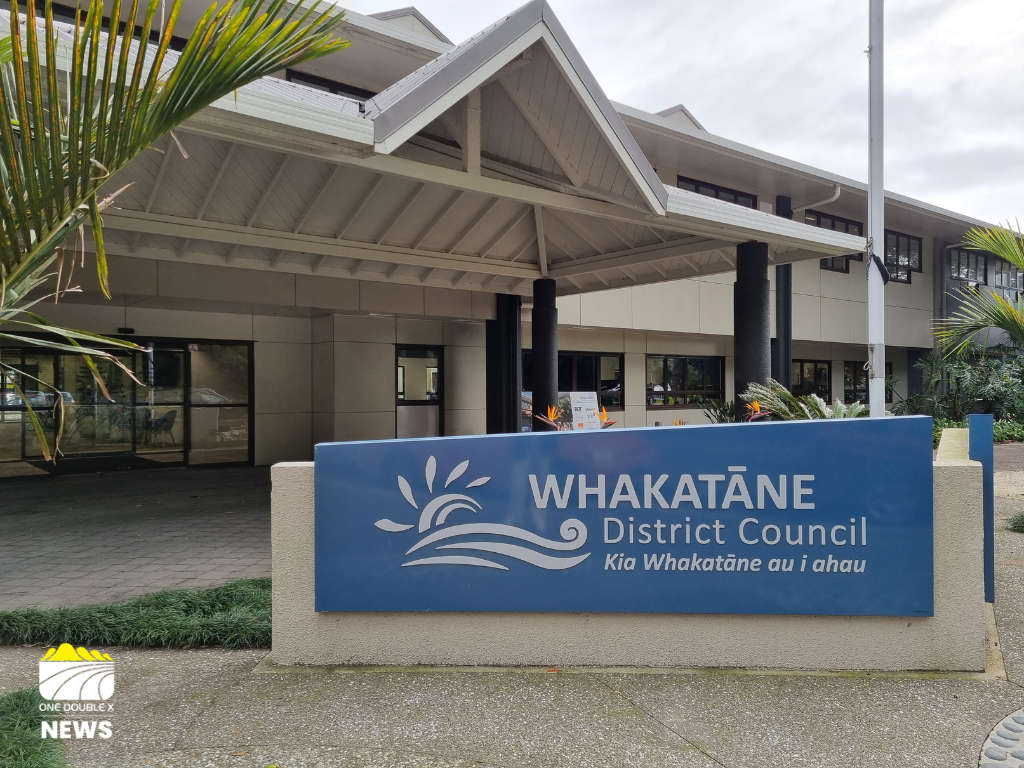
Whakatāne District Council has endorsed the draft strategic direction that will guide the development of the Long Term Plan 2027-37 following its meeting last week.
The Long Term Plan is Council’s primary strategic planning document, setting out the priorities, services, projects and budgets that will shape the district over the next 10 years.
At its meeting on Thursday 23 July 2026, Council approved a refreshed strategic framework and agreed on a communications and engagement approach, with a focus on involving the community in formal consultation in March 2027.
Mayor Nándor Tánczos said the strategic direction builds on the district’s existing long-term vision while responding to the financial, environmental and legislative challenges currently facing local government.
“Councils across New Zealand are dealing with an increasingly complex and uncertain environment. At the same time, councils and communities alike are feeling the pressure of increasing costs across the board and the need to cut back wherever possible,” Tánczos said.
“People naturally want to see spending focused on the things that are important to them, but different people value different things. That means we need to be clear about where we focus our effort and our dollars.”
He said the strategic direction would help provide that clarity for the community.
“It sets out the outcomes we want for our district, how we intend to work, and the priorities we believe will make the biggest difference over the coming decade.”
Council’s existing vision of ‘More life in life’ will be retained, reflecting a desire for people to not just get by, but to thrive in a district they can afford to live in, feel connected to, and see a future for themselves and their whānau.
Tánczos said the direction includes four approaches that will guide Council’s decision-making, including relationships with iwi and hapū, financial responsibility, future-focused actions and continuous improvement.
“Alongside these approaches, the framework also identifies four community outcomes: safe, inclusive and thriving communities; protected natural and cultural taonga; connected places with resilient infrastructure; and a prosperous, forward-looking local economy,” he said.
“In addition, we’ve outlined four strategic priorities for the Long Term Plan period, particularly for the first three years. These are key areas where we believe focused investment and attention will make the biggest difference: housing and development, water services, the Rex Morpeth Recreation Hub as a facility for the Eastern Bay, and resilience and emergency management.”
General Manager Strategy and Growth Leny Woolsey said the strategic direction provides a strong foundation for the next stage of Long Term Plan development, creating a clear link between Council’s goals and the services, projects and investments needed to achieve them.
“The strategic direction creates a clear link between what the Council wants to achieve and the investments and services required to get there,” she said.
“It will guide everything from activity planning and asset management through to budgeting and project prioritisation.”
Alongside endorsing the strategic direction, Council also approved a communications and engagement approach that will focus on a robust formal consultation process in 2027.
Woolsey said Council had already gathered significant community feedback through previous Long Term Plans, Annual Plans, major project consultations, community boards and ongoing engagement activities.
“The strategic direction itself represents a refinement of our existing framework rather than a major shift in direction,” she said.
“Rather than asking people to revisit conversations we’ve already had, we’ll be focusing our effort on consultation throughout March 2027, where we’ll share specific proposals, priorities and options with our communities and seek their input before final decisions are made.”
Formal consultation on the Long Term Plan 2027-37 will take place in March 2027, allowing the community to provide feedback on specific proposals, priorities and options before Council makes final decisions.
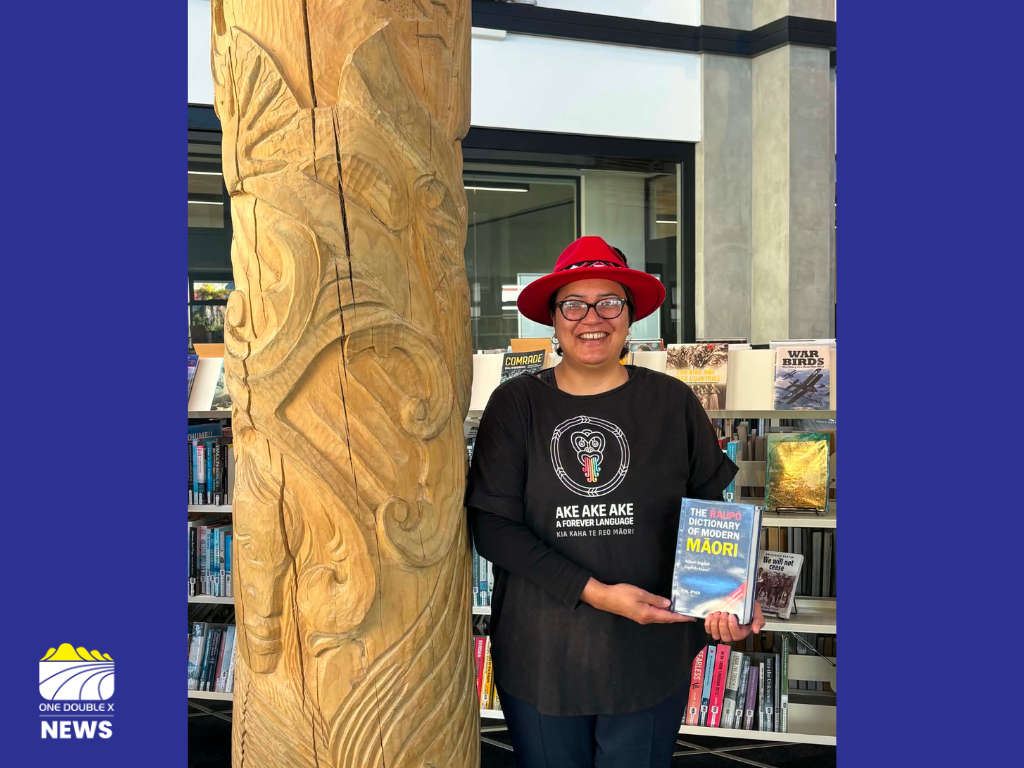 Te Tāhuhu o Te Rangi Invites Local Residents to Celebrate Te Wiki o te Reo Māori
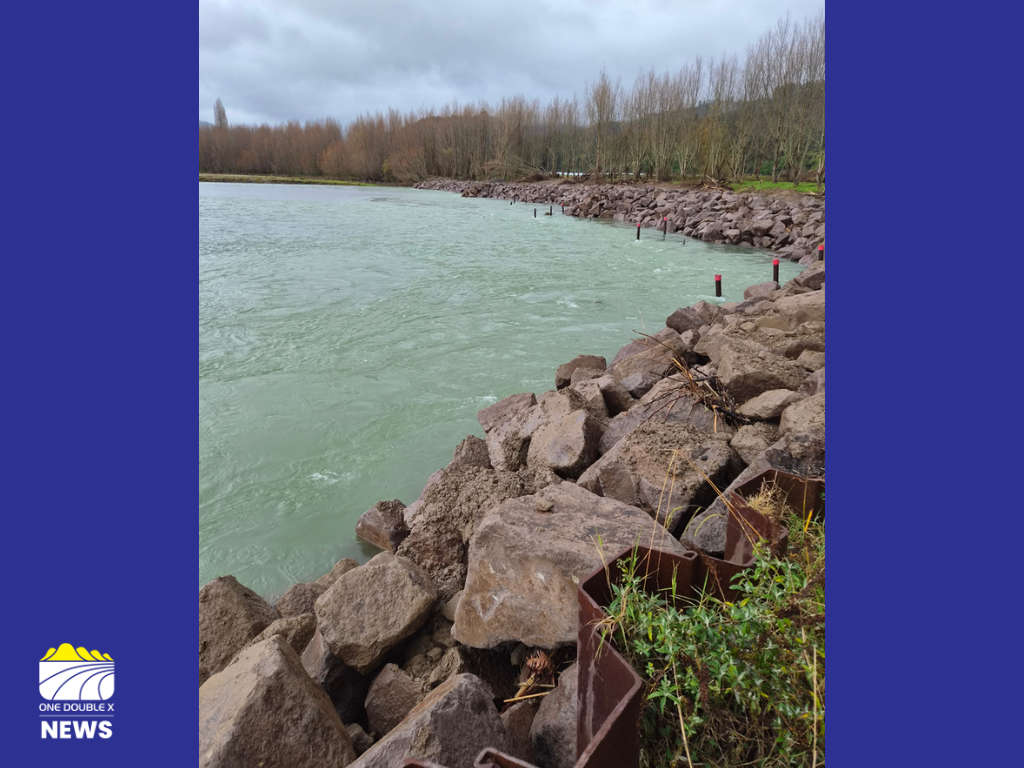 Rūātoki Water Treatment Plant Project Takes Next Step Towards Long-Term Solution
 Voting Open for Eastern Bay General Constituency By-Election