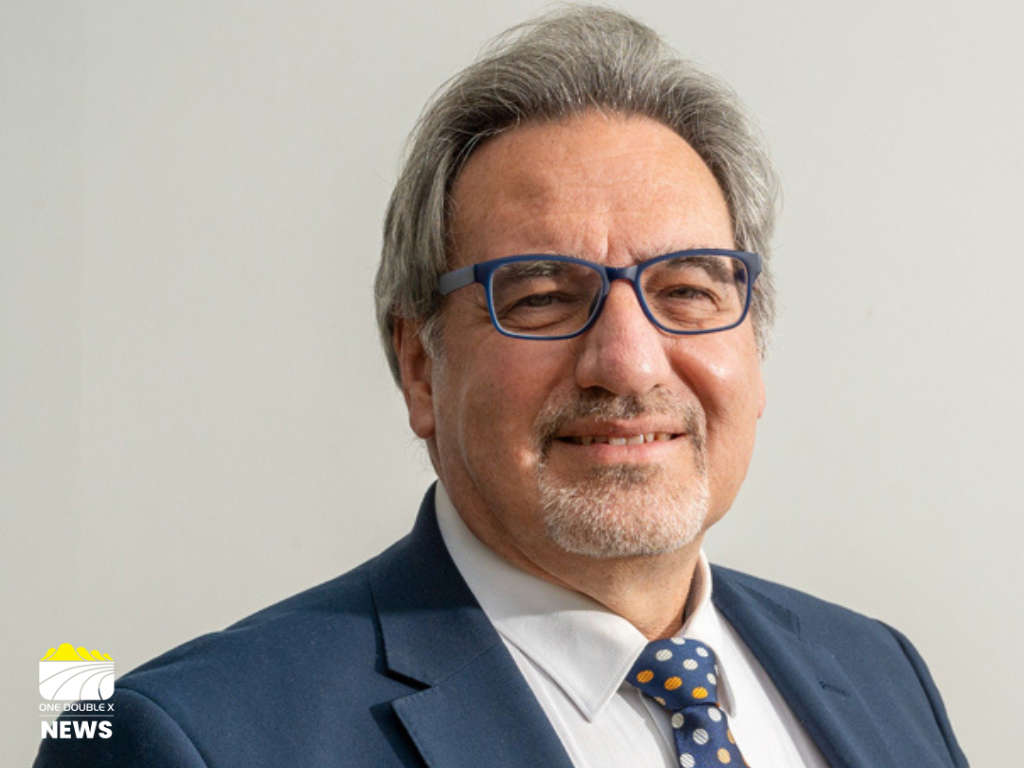
The former Whakatāne mayor said his scientific background and six years of local government experience will help him contribute to key debates at the Bay of Plenty Regional Council, including restructuring, environmental regulation and climate change.
Former Whakatāne mayor Victor Luca said he will continue to advocate for evidence-based decision-making and stronger public understanding of climate change as he takes up his new role on the Bay of Plenty Regional Council.
Luca, who served as Whakatāne mayor from 2022 to 2025, was sworn in as the Eastern Bay regional councillor on Monday, replacing the late Malcolm Campbell.
He said he was not surprised by the low voter turnout in the by-election, pointing to the Bay of Plenty Regional Council’s low turnout in the 2025 local body elections and the prospect of a general election later this year.
“Given that general elections usually are more front of mind for the citizenry than local body elections, and the fact that this was a by-election, it doesn’t surprise me at all,” he said.
Luca had estimated turnout would be around 30 per cent.
Despite entering a new council environment, he said his learning curve might not be as steep as some expected.
He has spent more than 30 years in senior science research roles, much of it environmentally focused, and has six years of local government experience, including serving as mayor.
He has also served on about five of the regional council’s joint committees and spent three years on the Regional Transport Committee.
“I mean, I am a science guy,” he said.
“It’s my wheelhouse, and you have to add that to six years of local government experience.”
Luca said he would gain a clearer understanding of the challenges ahead, as the council worked on its long-term plan.
One of the major issues Luca expects to confront is the future structure of local government, with successive governments pursuing reforms aimed at changing how councils operate.
He said any restructuring needed to be supported by a clear justification and a well-defined problem it was intended to solve.
“I keep on hearing this mantra about bigger being better,” he said.
While larger organisations could benefit from economies of scale, Luca said the same logic could not automatically be applied to local government.
“Local government’s not about making widgets or cars; it’s a large portion of it’s about people.”
He said larger organisations could also become unwieldy, risking important reports and concerns being overlooked.
“Things aren’t always that simple as, you know, let’s make things bigger and it’ll become more efficient.”
Luca said he intended to continue arguing for a considered approach to restructuring, although he was not yet familiar with the regional council’s position on the issue.
He said councils were ultimately bound by legislation and could advocate for change, but had to operate within the law.
Another major issue would be the future of the regional council’s investments through Quayside, including its interests relating to the Port of Tauranga.
Other responsibilities included biosecurity, biodiversity, waterways, flood protection, civil defence and emergency management, as well as regional transport planning.
Luca said the regional council’s role was not always well understood by the public.
“I think the average Joe Blow would be hard-pressed to tell you what the regional council does.”
He said greater public awareness of the council’s regulatory responsibilities was needed, particularly as government reforms continued to reshape the environmental policy landscape.
Luca said he was concerned about the potential for government restructuring and simplification to weaken environmental regulation.
While acknowledging there was scope to simplify systems, he said it was important not to lose sight of the need to protect the environment.
“I wouldn’t want to see the environmental regulations weakened,” he said.
“It wouldn’t be to anybody’s benefit to have them weakened because we depend on the environment.”
Climate change would be another significant challenge, he said, particularly as public debate around the issue became increasingly polarised.
Luca has previously been active in climate education, establishing a lecture series on climate change science in Whakatāne in 2021.
He said the series had been relatively poorly attended and was not well advertised, but believed education remained essential.
He also said the Climate Change Commission had identified education as critical, although it faced resource constraints.
Luca said he believed regional councils had a role to play in improving public understanding, even where education was not a direct statutory responsibility.
“Doesn’t stop me on a professional level of doing what I can to do, you know, what I’ve got background in,” he said.
Luca said his experience in local government had highlighted what he saw as a gap between acknowledging the impacts of extreme weather and addressing the emissions contributing to climate change.
He recalled a meeting involving mayors and chief executives following Cyclone Gabrielle, where local government representatives had discussed the damage caused by the event before considering climate priorities.
Luca said he had raised concerns that emissions reductions were absent from a list of proposed priorities.
He recalled another mayor asking attendees to raise their hands if they believed carbon emissions were a problem. According to Luca, only about 30 per cent of those in the room did so.
He said the experience reinforced his view that more education and discussion were needed, including among elected representatives.
Luca also challenged the argument that New Zealand’s relatively small share of global emissions meant the country could have little impact.
While acknowledging the country’s contribution was a fraction of global emissions, he said New Zealand’s emissions on a per-person basis made its response important.
“If an affluent country, like a relatively affluent country like New Zealand, can’t do something to reduce its per capita emissions, then I think we’re all screwed,” he said.
He argued New Zealand had an opportunity to demonstrate leadership and encourage other countries to act.
Luca said he had previously called on local government to undertake a properly designed poll on attitudes towards climate change, but had not seen that happen.
He also said the scientific process involved debate and the gradual development of consensus, rather than every question being settled in black and white.
“The argument is the soul of science,” he said.
Luca cited research indicating overwhelming agreement among climate scientists that human-induced climate change was occurring.
He said he intended to continue contributing to climate education, even if some believed it fell outside the regional council’s core responsibilities.
Luca acknowledged he would be one of 14 councillors and that his ability to influence decisions would depend partly on the respect he earned through his experience and contributions.
He said he would bring an independent perspective to the council while working with colleagues on shared challenges.
In his declaration speech, he said he was committed to objective, careful and evidence-based decision-making that benefited as much of the community as possible.
He also paid tribute to Campbell, whose position he was taking over.
Luca said Campbell had led him to believe he held him in high regard, and he would do his best to justify that confidence.
After a period away from local government, Luca said he was looking forward to returning to public service, particularly the environmental issues that had shaped much of his professional career.
“I’m kind of looking forward to getting back into the breach,” he said.
“It’s good to get my teeth into some of this environmental stuff, which is, as I say, my wheelhouse.”
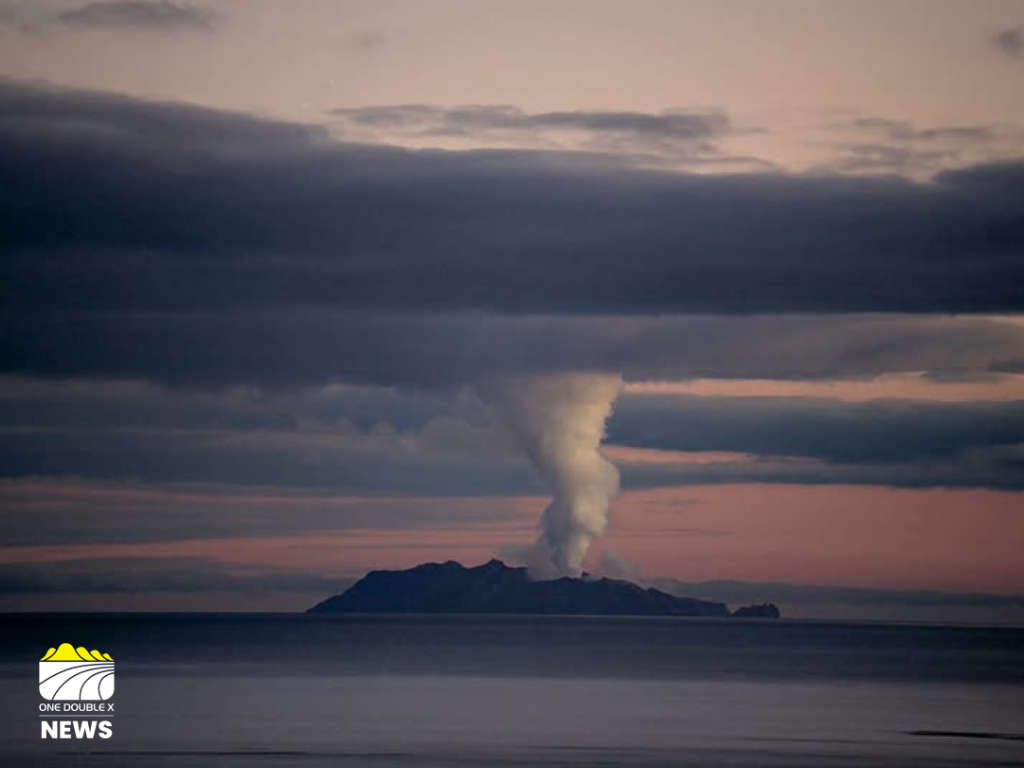 Large Plumes Rise From Whakaari, but no Eruptive Activity Detected
 Delays Expected on SH2 Near Matatā as Slip Safety Work Begins
 One Critically Injured Following Te Puke Highway Crash
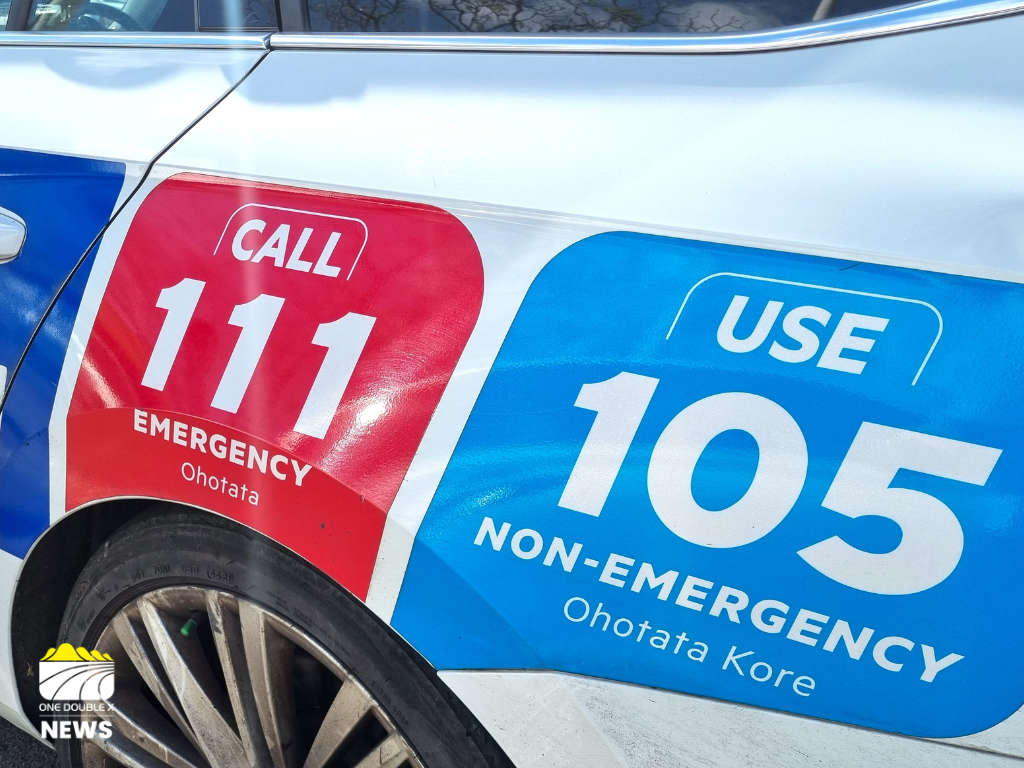 Fatal Crash on Orete Point Road in Waihau Bay