The long-running wastewater project in Matatā has reached a key milestone, with a resource consent application expected to be lodged in the coming months.
Whakatāne District Council says detailed technical and environmental work is now nearing completion, marking an important step forward for the project.
Manager of Policy, Planning and Consents Nicholas Woodley said the project had entered a critical phase.
“This project has been a long journey for Matatā, and we know people want to understand where things are at and what comes next,” he said.
Councillors approved the preferred wastewater solution in September 2025. The plan involves a modular, land-based treatment system at Tahi Hill Farm, designed to initially service about 400 homes, with capacity to expand to around 700.
Woodley said recent work had focused on preparing the resource consent application, including meeting legal and technical requirements.
“We’ve now completed a lot of the detailed technical and environmental work needed to support the resource consent process,” he said.
That work has included soil testing and installing eight monitoring bores at the farm site to better understand groundwater conditions and inform system design and environmental safeguards.
While much of this work has taken place behind the scenes, Woodley said it was essential to ensure the long-term success of the project.
“Projects like this take time. There are long stretches of technical, cultural and environmental work that happen behind the scenes, but every step matters.”
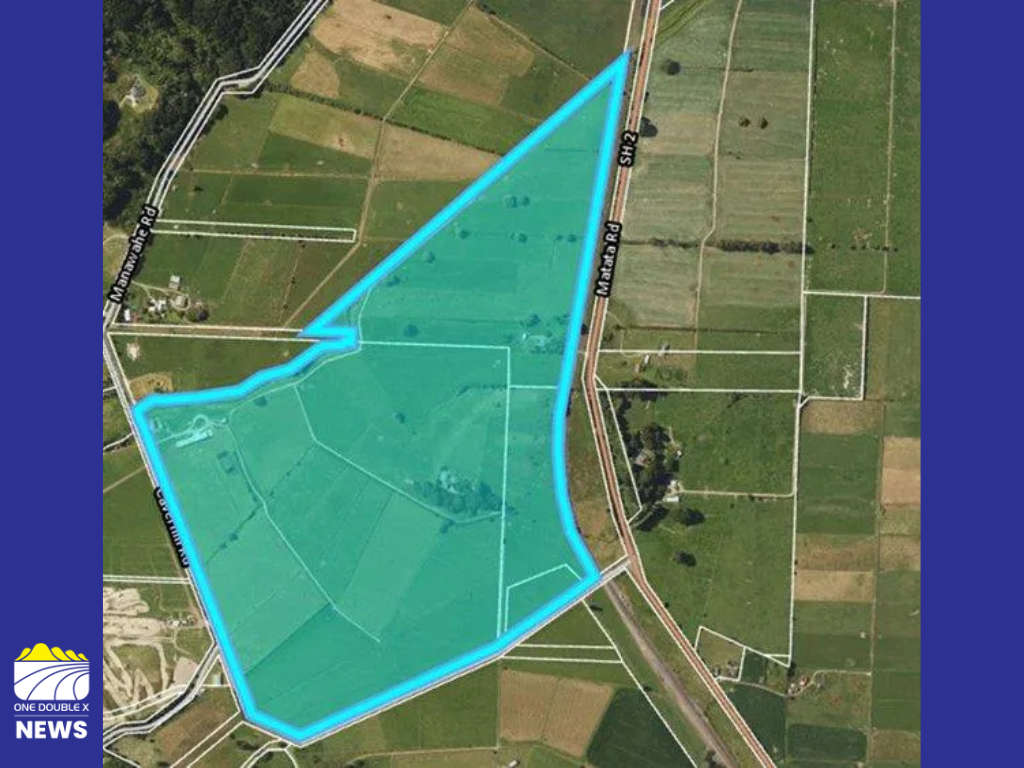
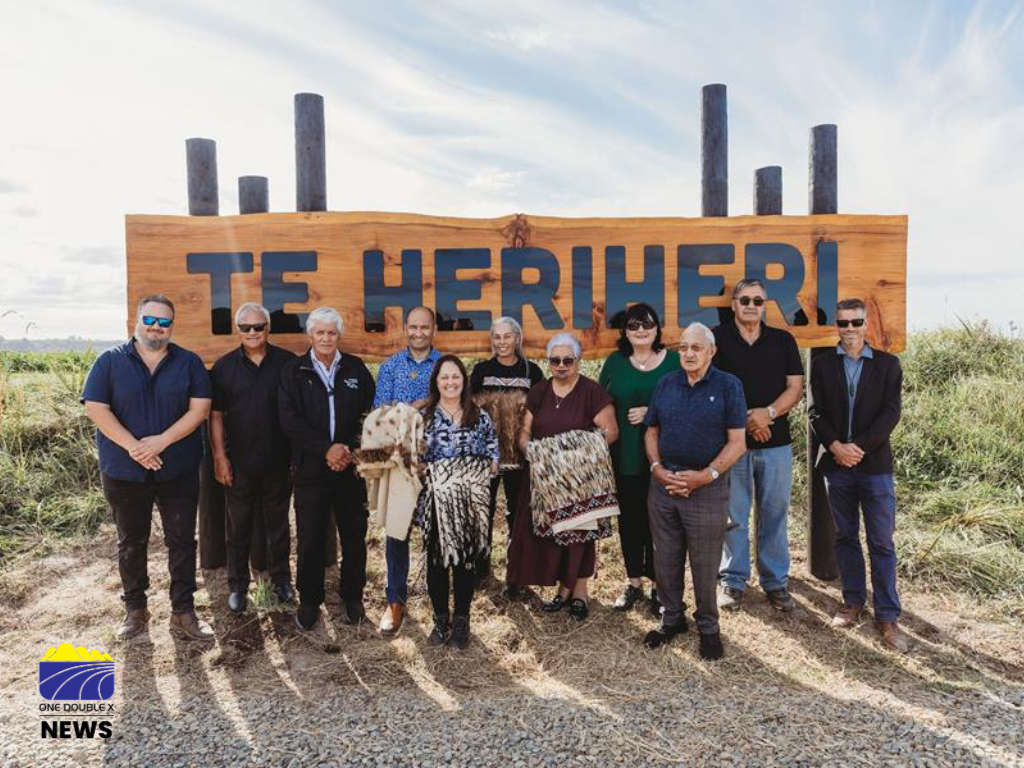
The location of the wastewater treatment plant: Tahi Hill Farm near Awakaponga. IMAGE // Whakatāne District Council
The project has been developed through a co-design process involving iwi and hapū, including Ngāti Rangitihi, Tūwharetoa ki Kawerau and Ngāti Awa, alongside the council.
The aim is to create a system that is environmentally sustainable and culturally appropriate, while helping restore the mauri of local waterways, including Te Awa o Te Atua and the Tarawera Awa.
The need for a new system has been driven by longstanding issues with existing septic tanks in Matatā, where high groundwater levels have made on-site wastewater disposal ineffective.
Effluent has been seeping into land and waterways, posing environmental and public health risks.
A series of community drop-in sessions is planned for April and May, where residents will be able to hear updates on progress and next steps ahead of the consent being lodged.
Dates are yet to be confirmed.
 Urgent Stabilisation Work on Ōhope Beach
 Next Generation Leaders Take Their Seats in Youth Council, Bringing Fresh Energy to Local Democracy
 Bay of Plenty Councils Explore Shared Water Services Option
 Ōpape Beach Road Emergency Work Complete
 Wetland Restoration Marks Milestone for Waihī Estuary