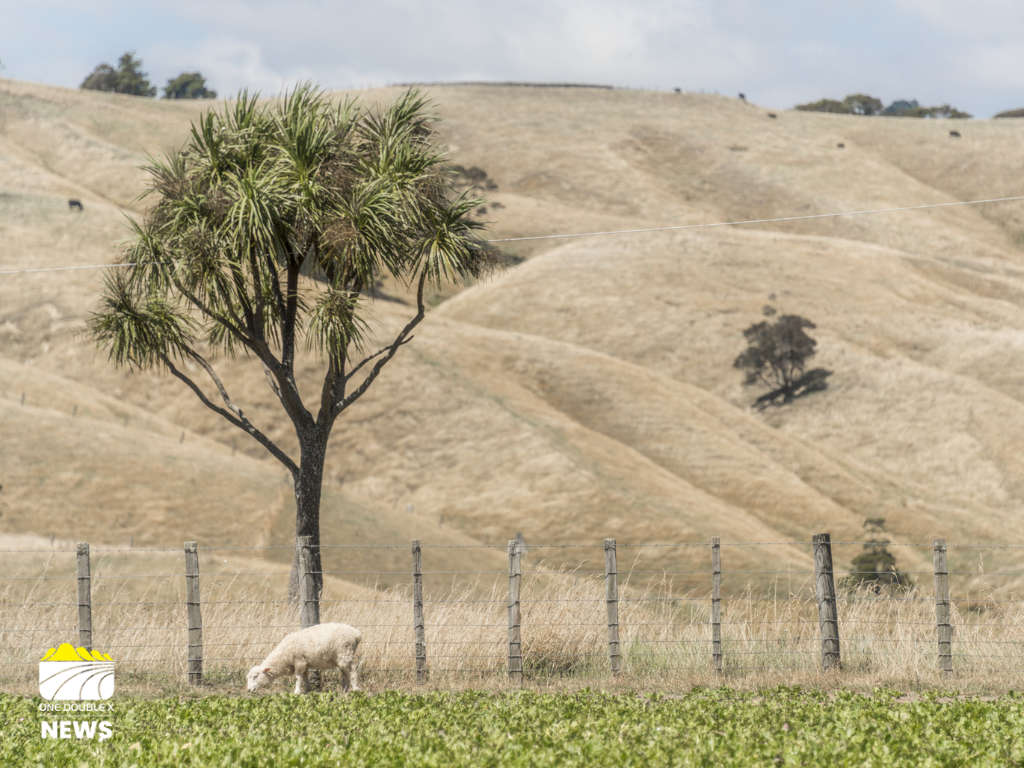
The Bay of Plenty are being urged to prepare for a potentially drier-than-normal winter as El Niño conditions develop in the Pacific.
Earth Sciences New Zealand are predicting a 95% chance of El Niño conditions setting in between now and August.
Chief Scientist for Weather and Seasonal Forecasting, Chris Brandolino, said the climate pattern will bring more westerly and southwesterly winds and reducing the likelihood of heavy rain events.
"El Niño is expected to form over the coming weeks and during the winter season," Brandolino said.
"What that will mean in New Zealand is that we typically get winds coming more from the west and southwest."
For the Bay of Plenty, that often translates into drier conditions.
"History tells us when El Niño is influencing our weather during the winter season, we tend to have air flows coming more from the west and southwest," he said.
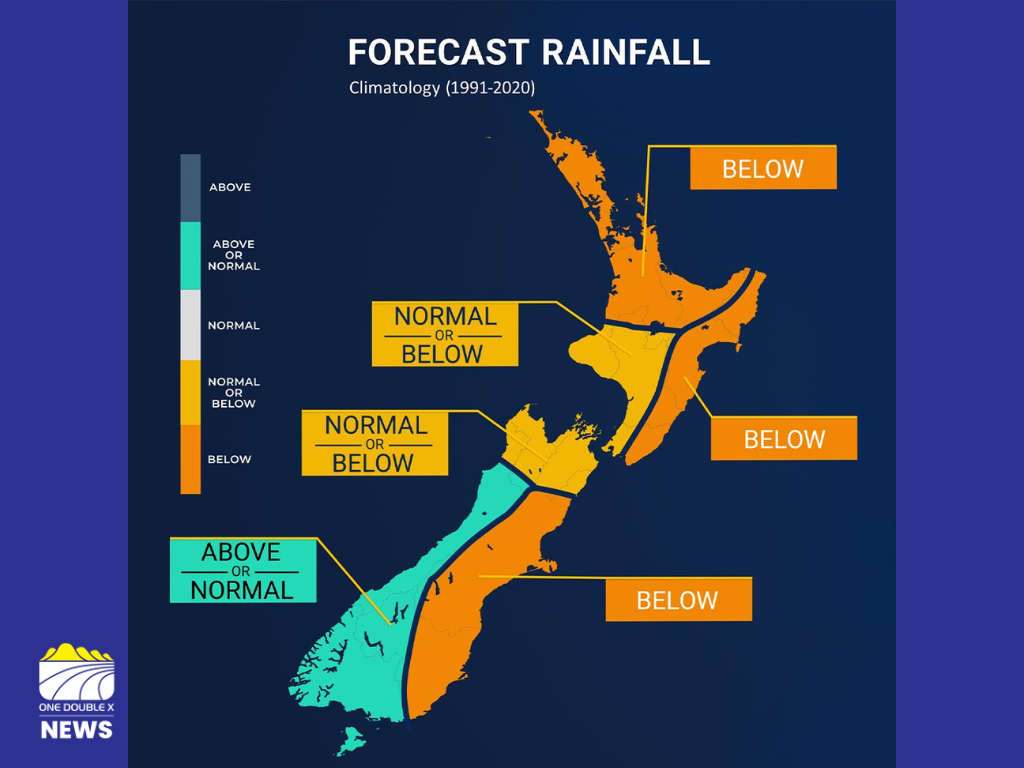
Rainfall is expected to be below average in the Bay of Plenty, likely caused by forecast El Niño conditions. IMAGE // Earth Sciences New Zealand
The region has experienced warm and wet weather in recent days, but Brandolino said those conditions are not expected to persist through winter.
"Our air flows have been coming from the north, northwest, northeast. That is not expected to be a theme," he said.
"What we have experienced over the past few days compared to what we are expected to experience for the winter season as a whole, they're going to be different."
The Bay of Plenty is likely to see fewer northerly weather systems, which are often responsible for bringing moisture from the tropics.
"When our air comes from the northeast or the north, that does bring moisture from the tropics and subtropics, and that's when we can get some really heavy rainfall," he said.
"And we think that will become less likely as we move through the winter season."
While below-normal rainfall is forecast, Brandolino stressed that this does not mean the region will see no rain.
"Our expectation is that the rainfall during the next three months through the end of August is going to be less than what we typically see, so below normal rainfall."
He said much of winter could be characterised by settled weather patterns.
"For much of winter, we may see a propensity or a likelihood of perhaps more settled conditions, high pressure bringing settled conditions, not much wind, maybe a fair amount of sunshine, chilly nights with those high-pressure systems."
Brandolino warned that drier conditions may create challenges for farmers, rural communities and households dependent on tank water.
"If you're on tank water, if you are a farmer, if you are in a water-reliant sector, I think one of the things we have to be mindful of is what we call groundwater recharge," he said.
He described winter as a critical period for replenishing soil moisture and groundwater supplies after the warmer months.
"The winter season is an important time of year for that groundwater recharge, where we are recharging the battery, we are replenishing that bank account, we're getting that ground, that soil saturated again to a sufficient level."
"If we have inadequate rainfall during winter, then what that means is that we're on the back foot."
Brandolino said the greatest concern would be if dry conditions persisted beyond winter and into spring and summer.
"Insufficient rainfall in winter is one thing, but if that's followed up with insufficient rainfall in spring, insufficient rainfall in summer, you can start to see how this can lead to a situation that we don't want to be in."
He said there is no reason for alarm, but communities should be aware of the risks associated with El Niño weather patterns.
"This El Niño event is expected to be strong, to be even very strong, so-called super El Niño," he said.
"There is certainly a compelling reason to have heightened awareness, especially if you are reliant on water for your business or your way of life."
The forecaster also pointed to an increased risk of out-of-season vegetation fires if dry conditions were to continue for an extended period of time.
"That could become more of a concern as you work your way into spring, as temperatures warm and it's dry and it's persistent."
Brandolino encouraged residents and businesses to think ahead and learn from previous dry periods.
"It's trying to understand, if my situation changed because of a lack of rain, like long-term dryness, what can I do now to position myself so the impact maybe isn't as great to mitigate that."
"You've got to have a plan and not implement it than be in a position where you need to have a plan and don't have one."
 Police Crack Down on New Gang Chapters in Ōpōtiki
 Under the House to the Try Line: Ruby and Her 11 Pups Seek Forever Homes
 Eastern Bay Local Government Future Left in Limbo After Head Start Decision Delayed
 Hillcrest Road Closures Scheduled for Friday