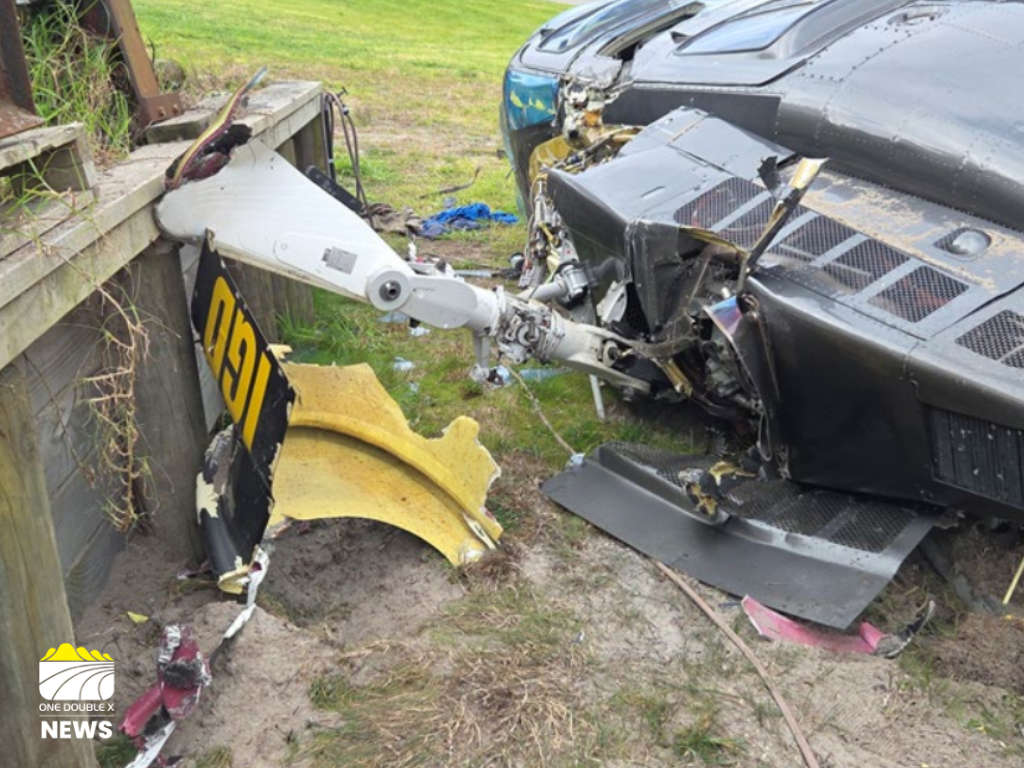
A helicopter crash near Whakatāne that left a pilot unconscious was caused by a “dynamic rollover” during takeoff, according to a final report by New Zealand’s Transport Accident Investigation Commission (TAIC).
The Bell 206L-3 Longranger helicopter, registered ZK-IGD, rolled onto its side shortly after lifting off from a private property west of Whakatāne on 27 July 2025.
On board were the pilot and two family members.
TAIC found that the helicopter had lifted into a hover before beginning a planned sideways movement away from a retaining wall, when it suddenly rolled to the left. Rotor blades struck the concrete pad, severing the tail boom and destroying the aircraft within seconds.
The pilot suffered a head injury, losing consciousness for about five minutes, while passengers received only minor injuries.
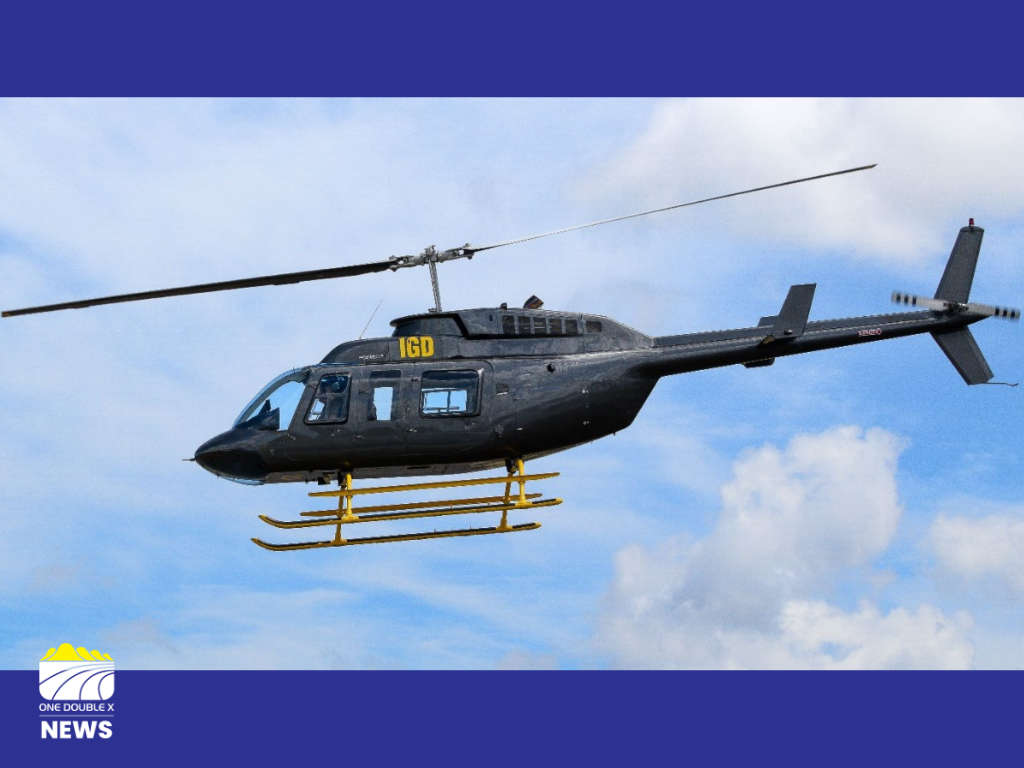
Bell Textron Canada Limited 206L-3 Longranger, ZK-IGD. IMAGE // Nathan Cox, Jetphotos
Investigators ruled out mechanical failure, medical issues and distraction, concluding the crash was caused by the rear of the helicopter’s left skid remaining in contact with the ground while the aircraft moved sideways.
“It is virtually certain that the rear of the left skid was still in contact with the ground as the helicopter started to move left,” the report said.
TAIC said friction between the skid and the concrete created a pivot point, causing the helicopter to roll beyond its “critical rollover angle”, a condition known as dynamic rollover.
“A helicopter is susceptible to a lateral rolling tendency, called dynamic rollover, when it is in contact with the surface during takeoffs or landings,” the report quoted from the United States Federal Aviation Administration Helicopter Flying Handbook.
The report said the helicopter’s nose was slightly higher than usual during takeoff, likely due to a light tailwind.
“The nose attitude of the helicopter was slightly higher than the pilot normally experienced during takeoff, very likely giving the pilot the impression that the helicopter was higher off the ground than it was.”
The pilot attempted to recover by lowering the collective control, the correct recovery action, but investigators found the helicopter had already passed the point where recovery was possible.
“It is virtually certain that the helicopter was beyond the critical angle when the pilot lowered the collective while attempting to recover the helicopter,” the report said.
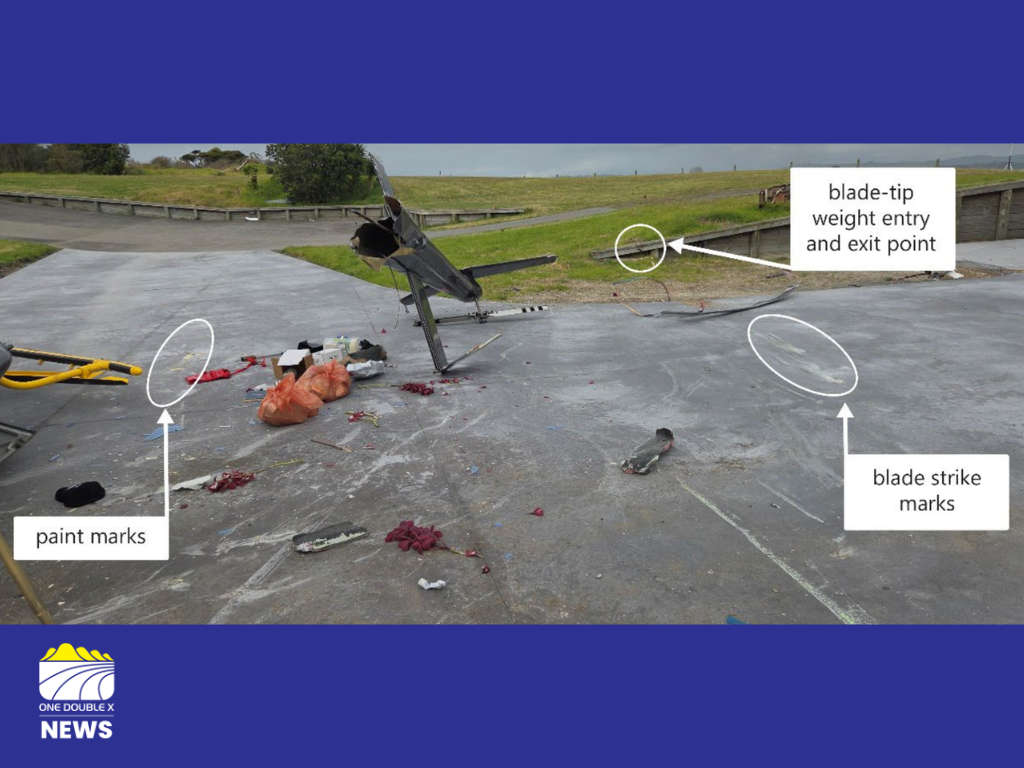
Blade impact marks. IMAGE // Transport Accident Investigation Commission
The pilot held a private helicopter licence and had logged about 611 total flying hours, including 99 hours on the Bell 206L-3 type.
TAIC said the pilot was “appropriately qualified, trained and capable of performing the flight”.
The investigation also found that some helicopter components were overdue for maintenance action, although investigators determined they were not related to the crash.
The commission said the accident highlighted the importance of slow, controlled helicopter movements close to the ground and ensuring landing skids are fully clear before moving laterally.
“It is important when manoeuvring a helicopter close to the ground that the pilot ensures there is no contact between the landing gear and the ground before attempting to move the helicopter sideways or backwards.”
The pilot was not wearing a flight helmet, which TAIC said may have reduced the severity of the head injury.
“Flight crew head protection can increase safety for all occupants,” the report said.
TAIC made no new safety recommendations following the inquiry.
 Police Crack Down on New Gang Chapters in Ōpōtiki
 Under the House to the Try Line: Ruby and Her 11 Pups Seek Forever Homes
 Eastern Bay Local Government Future Left in Limbo After Head Start Decision Delayed
 Hillcrest Road Closures Scheduled for Friday