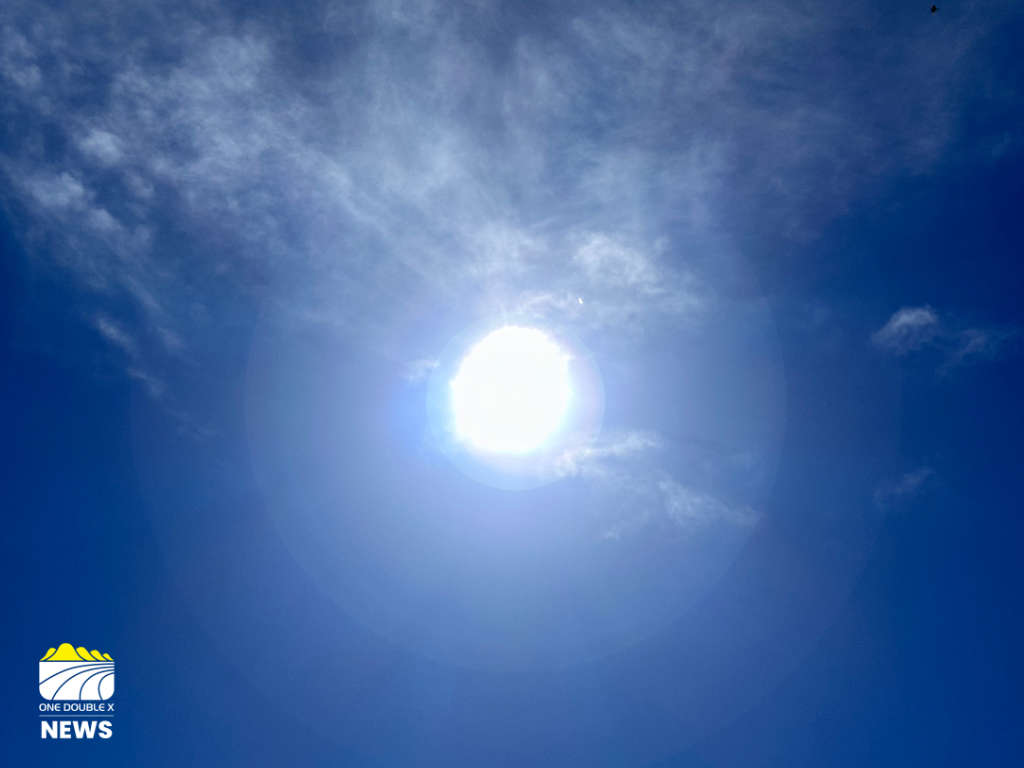
Temperatures across the Bay of Plenty are forecast to be above average this weekend, as the remnants of an Australian heatwave cross the ditch.
MetService meteorologist Clare O’Connor says, “Some January temperature records are expected to tumble over the weekend, which highlights the extremes we could reach. Thankfully, we aren’t receiving the full brunt of the Australian heat, which saw some cities reach 40 to 45°C - but these are still high temperatures for New Zealand.”
Across the region, temperatures are expected to hit the late 20s to early 30s.
NIWA's climate, atmosphere and hazards manager Nava Fedaeff says, “The hottest day should be on Saturday,” with Kawerau, Whakatāne, and Ōpōtiki set to reach 31°C.
Friday is expected to hit a high of 30°C.
Fedaeff says forecast temperatures tend to be from weather stations, which are often in shade; therefore, “when you start to go inside, like in cars or under trees or around buildings and things like that, you can get even higher temperatures.”
“People will feel the hot temperatures in the Bay of Plenty and around Whakatāne over the weekend.”
Fire and Emergency New Zealand is urging the community to be wary of the high fire risk due to the hot weather.
“As the temperature grows, the terrain or the grasses, and the trees dry really quickly, so they can catch a light really easily,” says Kawerau station manager Carl Moon.
He asks “people to maintain their properties as best as they can to keep those grasses down,” because a hot exhaust over a dry patch of grass can cause a fire because even parking a car with a hot exhaust on a dry bit of grass can create a fire. Moon adds when using a lawn mower, stones can create sparks, “so if people are aware of that, they can take measures to reduce the effects of that, like clearing stones away or large parts of bark.”
Today’s career firefighter strike can pose an added risk. Moon says if there were to be an incident, “the response would be initially from the volunteers, so [people] should expect more delays than they would usually get.”
“They’re striking for is combination of wanting our employer to hear our calls for our equipment, to hear our calls for the state of the equipment, the fact that we require more firefighters throughout the country, and about the cancer-causing carcinogens that affect all firefighters.”
He says they know fires double in size every minute in a house, and vegetation, while dependent on how dry it is, the wind, and the steepness of the terrain, so any delayed response is dangerous.
“That’s why we're hugely reluctant to do it, but we feel that it's the only way that our employer will listen to not just our needs, but the needs of all firefighters,” Moon says.
He is asking the community to be more aware from 12pm to 1pm, while the strike is occurring.
Meanwhile, the SPCA wants to remind people of the dangers leaving dogs unattended in a vehicle poses to their health, especially with the high temperatures expected this weekend.
Inspectorate regional manager Jason Blair says, “People are unaware of just how quickly the temperature in cars can climb, even on a cloudy or partially sunny day, and even with windows down, it still acts like a greenhouse.”
The word of advice from the SPCA is to avoid taking your dog with you out and about if you’re in a position where you will have to leave it in a car.
Blair says, “They're reliant only on respiration in order to cool their bodies down; they don't sweat as we do. So, if they are trying to cool themselves down, they can only breathe and pant, and if they're continually breathing in hot air, then they're not cooling themselves down; they just get hotter and hotter.”
Dogs will start to show signs of heat distress, and “start seeking shade in the lowest part of the car, and they'll become lethargic, and the effects can be long-lasting as well as death, in some situations,” he says.
“It is really the best thing and the kindest thing to do is to leave them at home or leave them supervised.”
He recommends that if people see a dog in a car that looks as though it has heat distress, call the SPCA or police, if the situation is urgent. Signs to look out for are if a dog is getting low in the car, hyperventilating, and drooling.
NIWA says warm weather is expected to stick around for the rest of the summer.
The next three months will see “above average temperatures, but on the other side of the coin, we're also expecting above normal rainfall,” says Fedaeff.
“With La Niña conditions continuing, the door to the tropics is wide open at the moment. So we could get some more of these subtropical systems. They can be warm, muggy at times, but also wet.”
She says, “Beyond that, we've just got to keep a lookout on what climate drivers we have. At the moment, La Niña is weakening,” so conditions may shift further into 2026.
 Fire at Building Belonging to Toi Ōhiwa
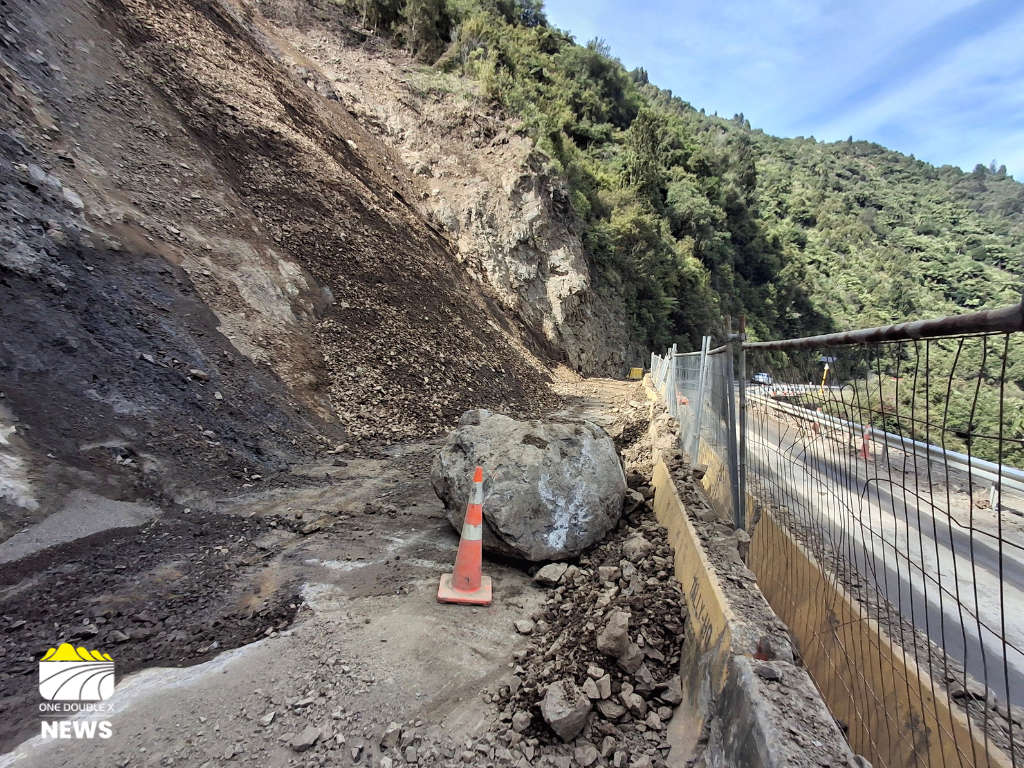 Convoys Through Waioweka Gorge Will End Monday
 Serious Crash Closes State Highway 2 to Gisborne
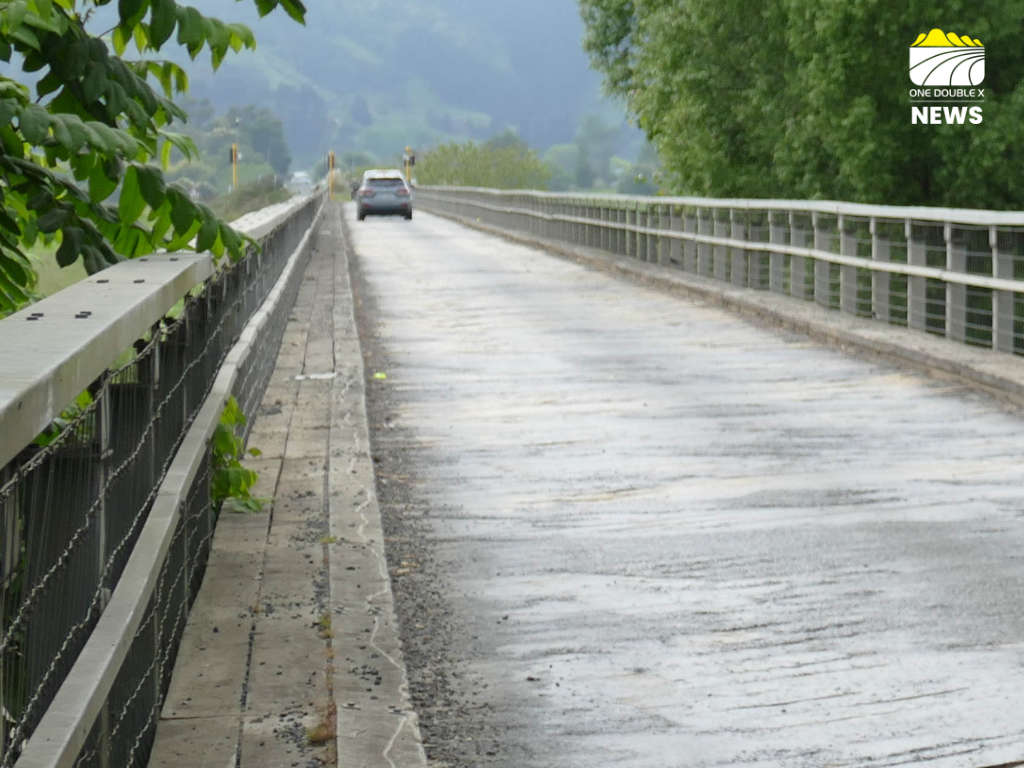 Significant Quarterly Maintenance in April Should Ease Community Concerns About Pekatahi Bridge