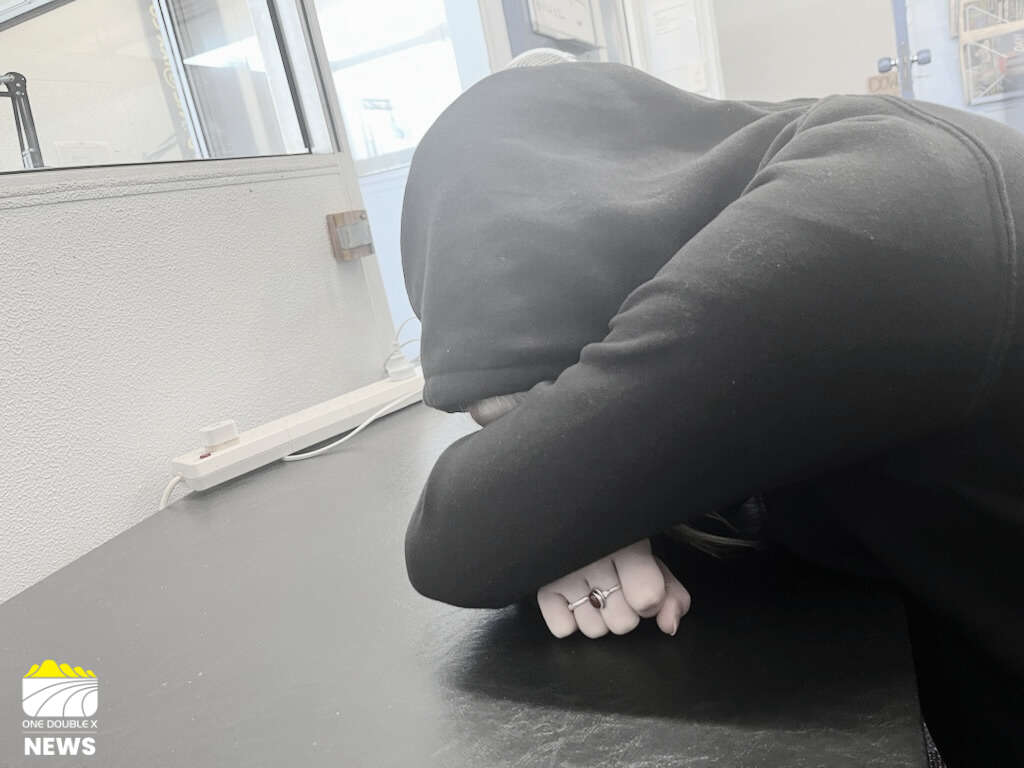
Youth mental health workers said easier access to drugs, substance normalisation and cost-of-living pressures are contributing to rising substance abuse among Eastern Bay rangatahi.
WARNING: This article discusses suicide, drugs, and substance abuse which may be upsetting to some readers.
Mental Health service Te Puna Ora o Mataatua staff are concerned Eastern Bay rangatahi are using drugs at younger ages and with greater frequency.
Kaiarataki Nga Mata Wai Ora Team Lead Stevana Tuhoro believes easier access to drugs and alcohol has contributed to a rise in use over the past year.
"So they're easier for rangatahi to get in the streets and from whānau encouragement as well."
The growing digital environment has normalised drug, alcohol and vape use among young people, Tuhoro said.
"Our rangatahi, they're in the digital area and if one person tries something, it increases the likeliness of one of their peers trying something."
"And then that cycle always just carries on to addiction as well."
Ngā Mata Waiora Counselling manager Matawai Wharepapa said staff were increasingly seeing rangatahi exposed to drugs at intermediate and primary school age, including harder substances such as methamphetamine.
"We're seeing a lot of our younger ones in intermediate, sometimes even primary school, that are already exposed and engaging in substance abuse in terms of marijuana, vaping, and then that obviously just leads on to the MDMAs.
"It's the early exposure to vaping, which leads to the heavier drugs."
Methamphetamine addiction was becoming increasingly common among high school-aged rangatahi, she said.
Tuhoro said some rangatahi addicted to methamphetamine were attempting to curb their addiction with what they considered "softer" drugs such as marijuana, MDMA and nicotine.
However, Wharepapa said marijuana was increasingly being laced with substances such as MDMA, meaning marijuana is now considered a "hard drug."
A lack of education around the changing nature of drugs meant some adults still encouraged rangatahi to use marijuana instead of harder substances, she said.
Easier access to drugs had also increased experimentation, mixing substances and social multi-drug use, Wharepapa said.
The trend has contributed to rising mental health concerns among rangatahi including anxiety, depression, suicidal ideation and trauma responses, and drug-induced psychosis.
"We've been working closely with our community mental health crisis teams with our rangatahi that are experiencing hallucinations and all of that kind of stuff because of drug induced psychosis."
Wharepapa said the service was also seeing increasing numbers of rangatahi entering the youth justice system.
"We've seen the ram raids and stuff that happen in order to support their habits, but also we need to look at the root causes of why our rangatahi are going to there rather than the problem."
One Eastern Bay mother, who spoke anonymously, said her child experienced a drug-induced psychosis that left her whānau desperately seeking help.
She said her child was hearing voices and experiencing hallucinations when they were taken to Whakatāne Hospital.
Having never used drugs herself, she did not know how to help her child, and she said the experience highlighted how difficult navigating support services can be for families in crisis.
Her whanau were asked to leave the hospital for the night and return the next morning, but the mother said she decided to go to the Rehua Tūatiahi After Hours Clinic to seek immediate support.
Guidance was offered to the whole whānau, along with accommodation and food assistance while their child received initial diagnosis.
"It was a big relief because then we could concentrate on how we are were going to work through this already difficult situation."
Her child received an official psychosis diagnosis from a psychologist, and the family began planning for long-term recovery.
Alongside mirimiri and medication, the family worked with multiple service providers.
Through this work, the mother said she has now identified several warning signs, including changes in behaviour, anger and disrupted sleep.
Despite some challenges with appointments, travel and service providers, the family has continued seeking support and believes open communication, sobriety and a united approach from parents are critical.
"Aroha is more powerful than anger," she said.
Drug use had become increasingly visible in the community, with some rangatahi exposed to substance use through peers, social media and even extended family members, the mother said.
"I think they (her child) tried it at 12 and from that age on they had influences around them of drugs."
Her child received drugs later from extended whānau members who believed the substances were calming or medicinal.
She said positive role models, cultural activities and stronger community connections could help counter those influences.
"What are our tamariki looking at? What do their eyes see? What does their heart feel in the interaction with our people?
"You don't even need to say a word, and they already have the picture."
Activities such as kapa haka, fishing and stronger visibility of te reo Māori in the community could help build pride and positive connections for rangatahi, she said.
"The government need to give proper funding to the entities like Te Puna Ora o Mataatua that are saving our families over here in the East Coast.
"We are very different kind of people and it's very sad that our rangatahi, our tomorrow is being slowly deleted."
Rising substance use and worsening youth mental health could not be separated from wider social pressures, Wharepapa said.
Cost of living pressures, social media, bullying and social isolation were all contributing factors, she said.
"We no longer have a middle class. We've either got a low class or the really rich, and then we've got everybody else that's stuck in between."
"And so, these rangatahi are left to their own devices and drugs and alcohol are just an outlet."
Many rangatahi were struggling with identity, belonging and connection to culture at a critical stage of their development.
Alongside bullying and increased social media, self-isolation and normalisation of drugs, alcohol, gambling and gaming were rising, she said.
"It contributes to a further disconnect from our culture, from identity and who we are and that's a big stage in the rangatahi's life at that point is discovering who they are, what their purpose is in the world."
Rangatahi were increasingly turning to AI and online support systems rather than face-to-face interactions, creating further isolation and disconnect from parents, she said.
Tuhoro said disengagement from peers and whānau can reduce involvement in school and affect emotional regulation.
However, Wharepapa said support needed to focus on the wider causes affecting the entire whānau, rather than solely the individual rangatahi.
With wrap around support services, counselling, and traditional healing Te Puna Ora o Mataatua offer a range of services for rangatahi and whānau.
Addressing issues with the whole whānau would be critical to achieving lasting change, Tuhoro said.
"We can really have a longer lasting impact because helping the rangatahi directly is all good and well, but if they're going home to the same environments, or going out back into the social aspect then they're alone pretty much."
Alongside a youth hub supporting employment, addiction and truancy initiatives, Te Puna Ora o Mataatua is helping establish peer-support systems in local kura and a community mental health first-response initiative focused on suicide prevention.
"A lot of rangatahi find confidence and trust in speaking with each other so we're helping to develop that in a way that is safe and nurturing.
"We know that we're only here from eight o'clock to five o'clock, Monday to Friday, but their friends and their peers are often there with them longer than we are.
"And if we can nurture them to nurture each other, that's the ultimate goal."
A community mental health first response initiative focused on suicide prevention is also being established through a Kaitiaki rōpū.
Seven kaumātua from across Mataatua bring whakaaro from their communities to help guide what suicide prevention could look like locally.
This is helping deliver a kaupapa that is resonant with the community and its needs, while creating healthy support systems.
Wharepapa said kaupapa Māori approaches were strongly supported by local whānau, but those requiring more specialised care often faced long waits in mainstream services.
While local services continue to support rangatahi and whānau, Wharepapa said broader change is needed from central government.
She said shorter wait times, improved coordination between government agencies and greater recognition of whānau-centred approaches would help improve outcomes.
"Until that happens, we need more acceptance around whānau approaches and how impactful that is rather than targeted approaches to youth."
A recent report from Te Hiringa Mahara Mental Health and Wellbeing Commission shows improvements to the mental health and addiction system need to come faster to meet the rising needs of young people and Māori.
Chief Executive Karen Orsborn said "This report shows the system is improving in some areas, but for the people who need it most, we are losing ground."
Out of six measured copentents of the system, only workforce is improving at a rapid enough rate to keep up with demand, she said.
"We are also seeing increased unmet need for professional mental health support for Māori with investment in culturally appropriate services not keeping up.
"We continue to see high rates of seclusion and other coercive practices being used, which raises concerns about the ability of the system to uphold human rights-based practice."
Māori experience these practises at a higher rate than any other group, she said.
"A fair, robust mental health system is one that works for everyone.
"For us to achieve that, we must see strong leadership, targeted action where need is greatest, and a more coordinated response to the wider drivers of mental distress," she said.
Where to find support:
- Need to Talk? - Call or text 1737
- What's Up - 0800 WHATS UP (0800 942 8787)
- Lifeline - 0800 543 354 or (09) 5222 999 within Auckland
- Youthline - 0800 376 633, text 234, email talk@youthline.co.nz or online chat
- Samaritans - 0800 726 666
- Depression Helpline - 0800 111 757
- Suicide Crisis Helpline - 0508 828 865 (0508 TAUTOKO)
- Aoaki te Rā - 0800 000 053, aoaketera.org.nz free bereaved by suicide service
- Alcohol Drug Helpline -0800 787 984 (Youth line), alcoholdrughelp.org.nz/ to online chat
- For specific Eastern Bay of Plenty providers click here
 Police Crack Down on New Gang Chapters in Ōpōtiki
 Under the House to the Try Line: Ruby and Her 11 Pups Seek Forever Homes
 Eastern Bay Local Government Future Left in Limbo After Head Start Decision Delayed
 Hillcrest Road Closures Scheduled for Friday