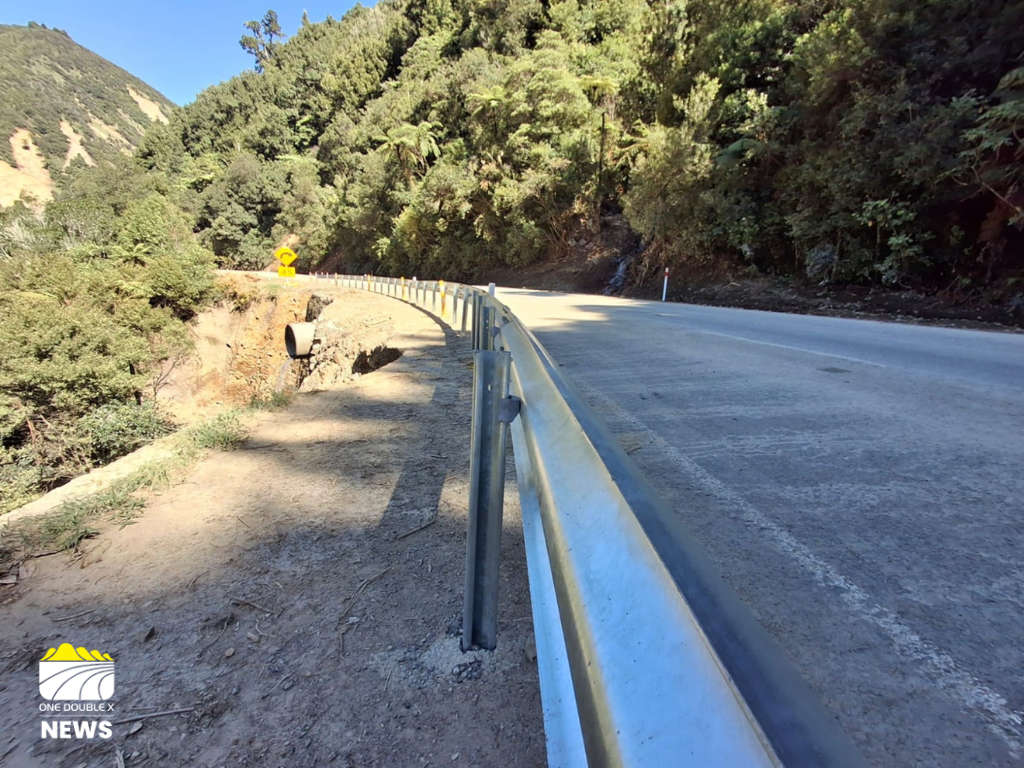
State Highway 2 through Waioweka Gorge will remain open under increased monitoring as an orange heavy rain warning is in place for the Eastern Bay of Plenty, with NZTA updating how they respond to severe weather in the area.
Following closures due to wet weather on Monday, 1 June, NZTA have reviewed their response thresholds under the Trigger Action Response Plan (TARP), which guides when the road should be monitored or closed during adverse weather.
“The Trigger Action Response Plan is in place for the Waioweka Gorge as it helps us respond early if conditions change,” it said.
Under the updated approach, an orange severe weather warning will now trigger heightened monitoring rather than an automatic closure.
“NZTA crews [will] carefully monitor conditions through the Gorge, paying close attention to known problem areas like the Goldsmith Slip.”
However, a red warning will still result in a full closure due to the increased risk of slips and debris.
“A red severe weather warning will still trigger a closure as this level of weather can heighten dangerous conditions through the Gorge.”
The transport agency said recent repair work and stabilisation efforts have improved resilience in the gorge following months of weather-related damage.
“The Gorge came through that weather with only minor rock and debris fall and no new major damage.”
An orange heavy rain warning, issued by MetService from 5pm Friday to 3am Saturday, is expected to bring further monitoring, with the road remaining open for now.
“The Gorge will remain open, with additional monitoring in place.”
However, officials warn conditions can change quickly, and closures may be required at short notice.
“If road conditions worsen, we may need to close the road at short notice to keep people safe,” said NZTA.
Night works are still scheduled to continue stabilisation work at the Goldsmith Slip.
“The Gorge will be closed on Saturday 6 June, from 9pm to 5am. A one-hour window from 1am to 2am will allow freight through.”
The works involve installing a rockfall protection structure designed to catch debris before it reaches the highway.
“Night closures and daytime stop/go traffic management are needed so a large crane can carry out drilling and installation work for a rockfall attenuator - a large steel net which is designed to contain falling rock and debris before it reaches the road.”
NZTA said the schedule may shift depending on weather conditions, with Sunday held as a contingency day.
 Police Crack Down on New Gang Chapters in Ōpōtiki
 Under the House to the Try Line: Ruby and Her 11 Pups Seek Forever Homes
 Eastern Bay Local Government Future Left in Limbo After Head Start Decision Delayed
 Hillcrest Road Closures Scheduled for Friday