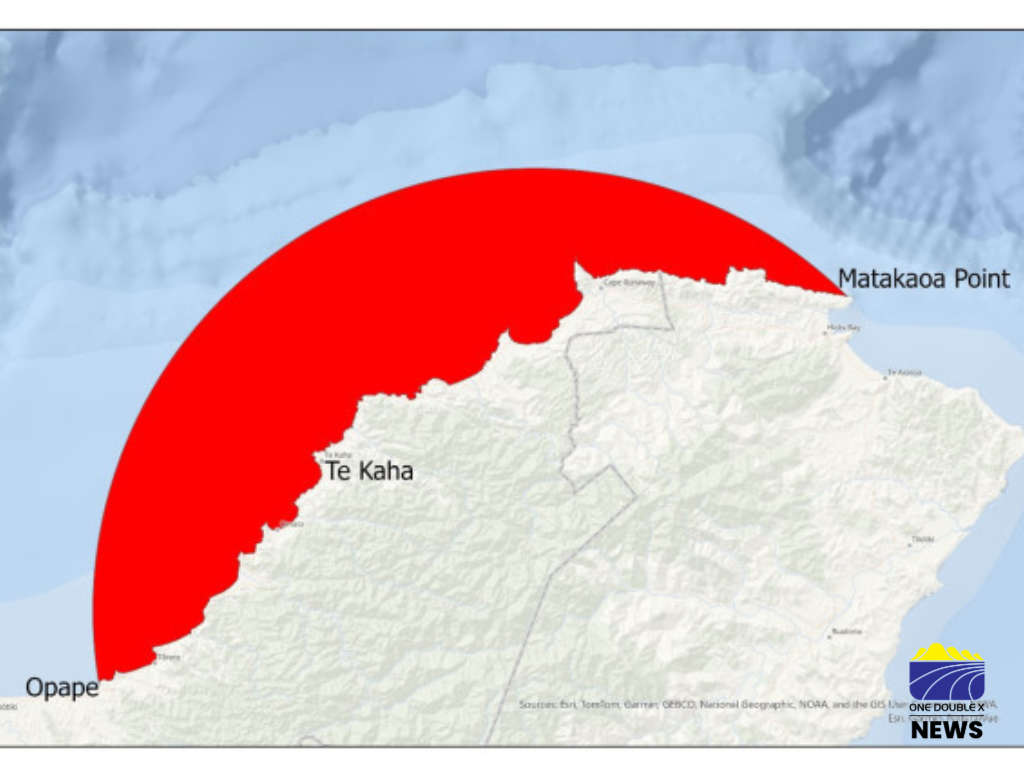
New Zealand Food Safety advises the public not to collect or consume shellfish gathered from the Eastern Bay of Plenty due to the presence of paralytic shellfish toxins.
Deputy director-general Vincent Arbuckle said routine tests of mussels from Te Kaha show levels of paralytic shellfish toxins are over the safe limit.
“The warning extends from Opape to Matakaoa Point, near Hicks Bay. Please do not gather and eat shellfish from this area because anyone doing so could get sick,” he said.
“Affected shellfish include bivalve shellfish such as mussels, oysters, tuatua, pipi, toheroa, cockles and scallops, as well as pūpū (cat’s eyes) and Cook’s turban.”
Arbuckle said cooking the shellfish will not remove the toxin.
Symptoms of paralytic shellfish poisoning usually appear within 10 minutes to 3 hours of consumption.
They can include tingling or numbness around the mouth, face, hands, and feet; difficulty swallowing or breathing; dizziness and headache; nausea and vomiting; diarrhoea; paralysis and respiratory failure; and, in severe cases, death.
New Zealand Food Safety said Pāua, crab and crayfish may still be eaten, only if the gut has been completely removed before cooking.
“If the gut is not removed, its contents could contaminate the meat during the cooking process.”
It said Kina and finfish are not affected by this public health warning, but they advise gutting the fish and discarding the liver before cooking.
“Commercially harvested shellfish, sold in shops and supermarkets or exported, are subject to strict water and flesh monitoring programmes by NZFS to ensure they are safe to eat.”
At this stage, New Zealand Food Safety has had no notifications of associated illness.
Those who become ill after eating shellfish from an area where a public health warning has been issued should seek medical attention immediately or phone Healthline for advice on 0800 61 11 16.
You are also advised to contact your nearest public health unit and keep any leftover shellfish in case it can be tested.
“NZFS [New Zealand Food Safety] is monitoring shellfish in the region and will notify the public of any changes to the situation,” said Arbuckle.
 Police Investigating a Brawl in Ōpōtiki Over the Weekend
 Pink Campervan Takes Breast Health Support to Eastern Bay
 Gas Emissions Continue to Decline at Whakaari as Alert Level Remains at 2
 Rūātoki Water Treatment Plant Project Takes Next Step Towards Long-Term Solution