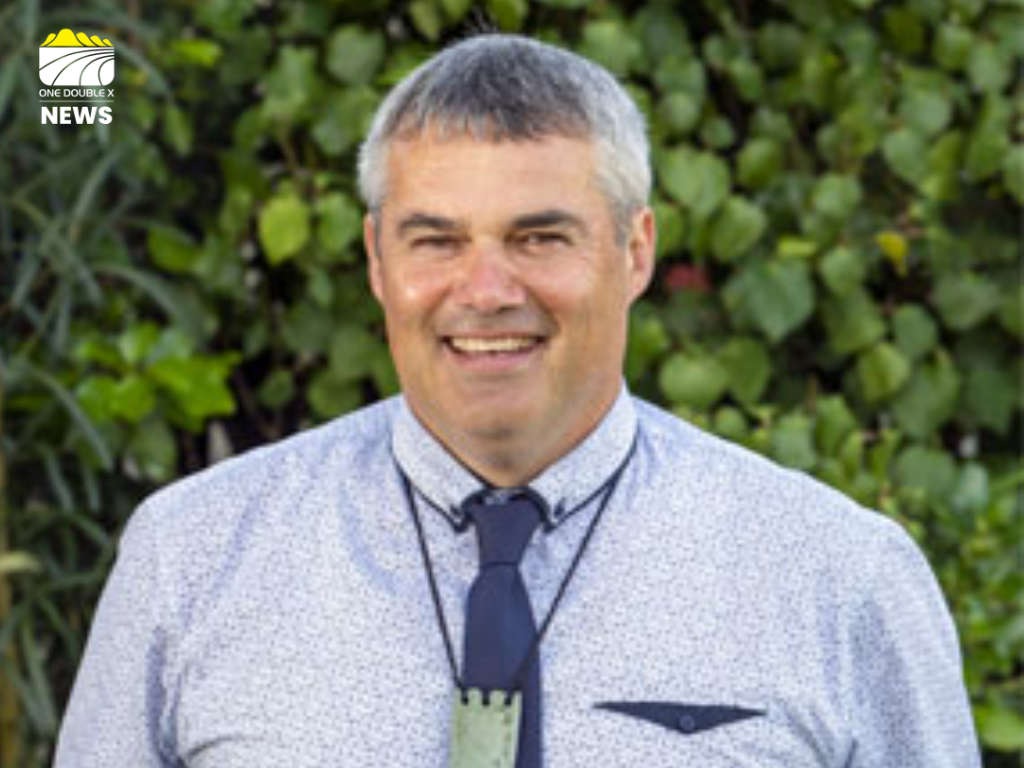
Ōpōtiki Mayor David Moore said residents are concerned about losing local voice and Māori representation under larger council structures.
With the deadline for local government reform proposals fast approaching, Ōpōtiki Mayor David Moore said councils are working intensively to consult with their communitites.
The reforms come during an already demanding period for councils, he said.
Long-term plans, annual plans and water system consents all need attention, on top of a significant local government reform, he said.
"I think there's about 17 reforms we're going through and you've got to concentrate on this.
"So your day to day stuff, like your car parks at your local boat ramp, get put on hold while we're having to do this body of work."
Moore compared the process to the Auckland Councils amalgamation in 2010, which was intended to deliver savings.
"They had no choice, there was no real community input into it and yes, it was meant to have all these savings, but you've got Watercare and the council having some quite large rate increases this year.
Forced amalgamations and larger councils would not automatically guarantee savings or lower rates, he said.
"I do mention Kawerau because it just proves that small is, not necessarily bad.
"They've performed so well."
One of the key concerns raised by RMA Reform Minister Chris Bishop is that local government in New Zealand is too complex, a view Moore disagrees with.
"I think there's only two countries in the world that have less local government representation than us and if you look at Sydney, I believe there's about 44 councils, 44 mayors in Sydney alone."
The amalgamation process has raised concern in communties like Ōpōtiki that reforms could result in a lack of representation, Moore said.
"In a small community, you suffer the consequences of being further away from the decision-making," he said.
The potential loss of representation was particularly concerning for Māori ward representatives, whose numbers could vary significantly depending on the final governance model.
"In the Eastern Bay, we've got ten Māori ward councillors and that's reflected with our population.
"Tauranga's got one for 165,000 people and they've got one Māori ward councillor.
"If we were all one big council, we would be lucky to have two or three.
"If we are an Eastern Bay sub-region, for example, we would still have probably the same number of councillors as what Whakatāne has."
Alongside reduced Māori representation, Moore said the needs of rural communities and farmers could be overlooked if decision-making became centred on larger urban areas such as Tauranga.
Losing local representation would also make it more difficult to advocate for and deliver projects important to smaller communities, he said.
"You lose that local voice, you lose that ability to actually push things for your council."
In Ōpōtiki, Moore said he had advocated for central government issues such as the Matekerepu and Teardrop Roundabouts.
"All of those things have been stuff that we've had to fight for."
Getting those projects considered through the regional transport planning process was often difficult.
"It's very difficult to get your projects on the table when you're dealing with the bigger centres in the same room."
Moore said important transport links such as the Pekatahi Bridge and Waioweka Gorge would require ongoing investment and upgrades.
Although located in sparsely populated areas, they support trade and economic activity across the wider region, including Gisborne and Tauranga, making timely improvements essential, he said.
However, under a larger governance structure, securing improvements could become more difficult, while a reduction in local representation could also mean a loss of valuable local knowledge.
Moore said people such as the late Malcolm Campbell demonstrated the value of local expertise.
"I learned a lot about how vital the rail link is between Kawerau and Tauranga and the amount of trucks that are added onto the road to put more stress on it.
"So you lose that local ability to problem solve or point things out, advocate for them.
"That's the risk for every one of us in the smaller communities."
Rising costs remained a fundamental challenge for councils regardless of size, Moore said.
""The fundamental issue that all councils, whether you're big or small, is funding mechanisms and that's stuff that we've been working through, like sharing of GST bills and stopping the government from imposing additional mandates."
The reformation is another form of mandate that needs to be prioritised for communities, but is adding further costs.
The reform process itself was another mandate that councils had to prioritise, adding further costs and workload, he said.
"These amalgamation, these processes will cost a lot of money and it's also going to cost a lot of time."
Moore pointed to the $23 million cost of relocation for the Bay of Plenty Regional Council, which will become void in 2028.
Some costs currently faced by councils were the result of government requirements and could be removed to ease pressure, he said.
"In Ōpōtiki, 70 percent of our land area is actually Crown land that doesn't pay rates, so, it falls on those that do have land to pay for everything else," he said.
Another major concern is what will happen to existing plannning work.
Eastern Bay councils have undertaken significant collaborative work on water supply plans, sub-regional growth strategies and individual long-term plans, Moore said.
Moore questioned whether that work could be sidelined under a new governance structure.
"We've got a letter from the minister to say, but we really want a regional spatial plan.
"We do these things at great cost and great time to put through and do what we've been asked.
"We've put some really good work into there, including input from iwi partners about the future.
"Only to be told that this might get parked up and we need to work on another one."
Despite this, he said all work being completed currently will be important for communities to articulate what their commmunity present and future needs, regardless of the final governance structure.
The local mayors, alongside the rest of the Bay are working closely together to achieve the best outcomes for their communities, Moore said.
The three Eastern Bay District Councils have opened public feedback channels on their websites to gather community views on the reforms.
"We really encourage them to put their views through, put them on paper, email through the Hono Mai to each individual council, but also make sure they get passed on directly to to central government who are forcing this."
Moore criticised the Government's proposal process, saying it lacked clarity and raised concerns that councils could be forced into a governance model opposed by their communities.
"And it may be a case of having to look at what would be the most preferred option of the worst case scenario for our community," he said.
"The wording of the proposal is if two councils come together with more than 50 percent of the regional region's population, they can put a proposal and it could dictate how the rest of us look."
Whakatāne Mayor Nándor Tánczos has previously said early discussions suggested that scenario was unlikely in the Bay of Plenty.
More clarity from the Government on proposal requirements and where responsibilities currently held by regional councils will sit after 2028 is needed, Moore said.
"A bit of money thrown at this and a bit of more detail on what they actually want would have been helpful," he said.
Former Whakatāne Mayor Judy Turner told 1xx in May that opposition parties had been relatively quiet on the issue.
A month later, Moore said he shared that concern.
"It's also quite disheartening to think that, you haven't got any other opposition parties or even coalition partners stepping up."
"It's also quite disheartening to think that you haven't got any other opposition parties or even coalition partners stepping up."
He said the reforms would have their greatest impact on provincial New Zealand and expressed disappointment that New Zealand First had not spoken out despite "supposedly they're there for the provinces."
Moore encouraged his community to submit feedback to central government, before the August proposal deadline.
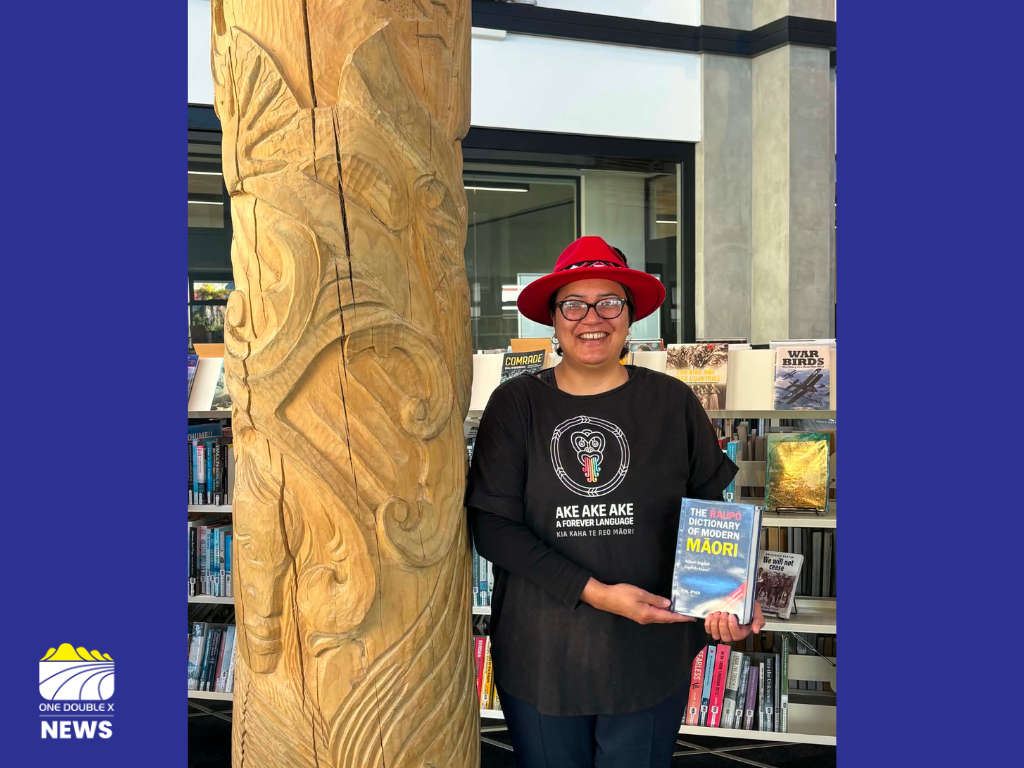 Te Tāhuhu o Te Rangi Invites Local Residents to Celebrate Te Wiki o te Reo Māori
 Rūātoki Water Treatment Plant Project Takes Next Step Towards Long-Term Solution
 Voting Open for Eastern Bay General Constituency By-Election