Bay of Plenty councils have three months to propose new local governance arrangements, with local leaders warning the timeframe may limit meaningful public consultation.
Following the Government’s announcement earlier this week, councils have been given three months to submit proposals outlining what local governance will look like in their regions, or the Government will step in to make those decisions.
The announcement has accelerated discussions among councils across the Bay of Plenty and provided clarity on a timeline for reforms first signalled last year.
However, local leaders say the timeframe will place pressure on consultation and decision-making processes.
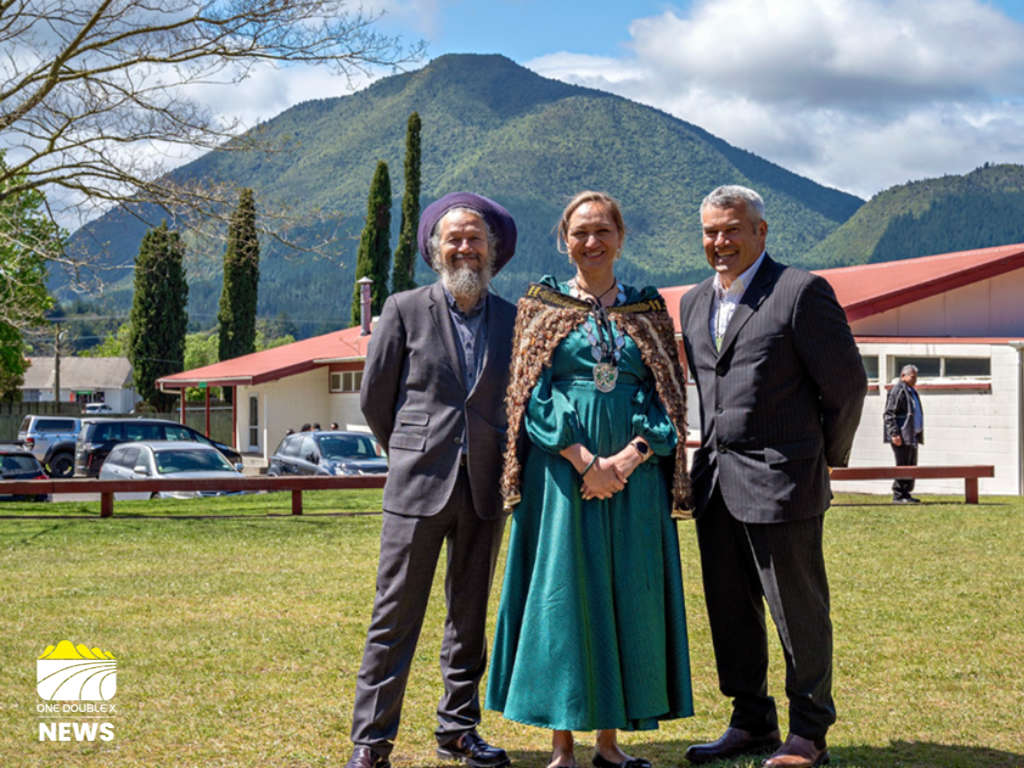
Whakatāne Mayor Nándor Tánczos said the timeline is “unrealistically” tight and leaves little time for meaningful discussions with communities.
"There's barely time to really have a conversation with our communities about what the announcement really means and how people want us to respond to it as a council."
Councils choosing to put forward proposals also need to ensure any new governance structure operational is operational by the 2028 local body elections.
He said that would require an enourmous amount of work and significant financial and staffing reasrouces.
Eastern Bay mayors met shortly after the announcement, followed by wider discussions with mayors from across the Bay of Plenty.
"We've been told in terms that the status quo is not an option, so what is best for our communities?"
"And so we need to be really open minded about how we explore what that means and what the best outcomes are."
Engagement with iwi and hapū would be an important part of the process, alongside consideration of existing council relationships and regional economic connections.
We've got a number of mechanisms that we use now, like the iwi chairs forum, and we'll be having those discussions at those places."
"We need to go beyond that as well, as we always do."
The reforms could create opportunities to address rohe currently split across territorial authorities, and recognition of historic relationships between iwi, he said.
"So what are the different waka across the Bay of Plenty? How do they link together? What are the historical connections between different iwi," he said.
While councillors are closely connected to their communities, direct engagement remains important despite the short timeframe, he said.
"I'll be putting out as much information as I'm able to as mayor and seeking feedback and views on that."
"I imagine that actually the kind of final answers are going to be fairly self-evident, I think we'll all be able to see what's going to be the best outcomes for our communities, and that's what the decisions will be based on."
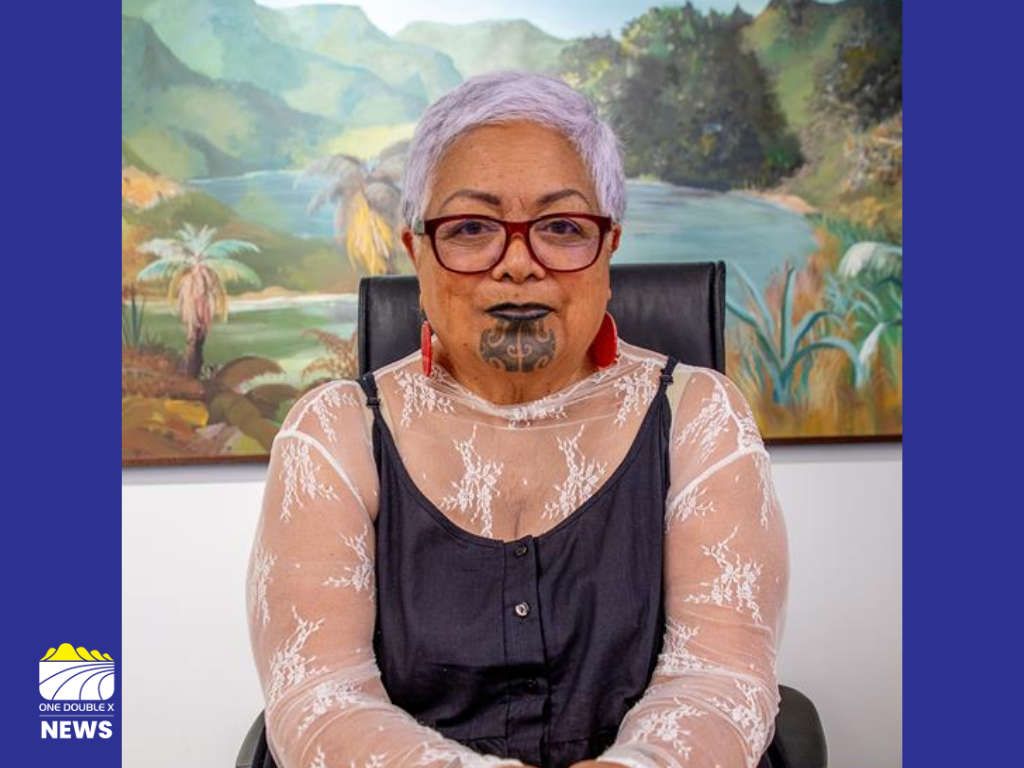
BoPRC Chair Matemoana McDonald said regional council will be focused on ensuring its services remain. IMAGE: BoPRC
For regional councils, the announcement clarified when current governance arrangements would end.
Bay of Plenty Regional Council chair Matemoana McDonald said confirmation councillors would complete their terms had provided stability during a period of change.
She said the council is now focused on how services will continue beyond that point through discussions with city and district councils.
"It's looking at working with our local TLAs and also working with our communities as well on the ground because this is a significant change and the whole spectrum of decision making will change."
Recent consultation through annual plan and long-term plan processes has provided insight into community views on governance changes, she said.
"While some of the topics weren't specific to what we're talking about today, they were certainly raised in our discussions with the community, so we've had quite a good lead in to how our communities are currently feeling about the new construct that the government is wanting."
McDonald acknowledged consulting communities within the short timeframe while coordinating between six territorial authorities and the regional council would be challenging.
She said maintaining strong communication with iwi throughout the process would also be critical, with 36 iwi and more than 200 hapū across the region needing to remain informed during the transition period.
Councils now face a choice about whether to shape future local government arrangements themselves or leave those decisions to central Government, Tánczos said.
"I'm keen that we do use the opportunity to define what is the best local government outcomes for our communities."
Kawerau District Mayor Faylene Tunui and Ōpōtiki Mayor David Moore have been approached for comment.
 Te Tāhuhu o Te Rangi Invites Local Residents to Celebrate Te Wiki o te Reo Māori
 Body Located During Search for Missing Man
 SH2 Near Te Puke Golf Course to Close This Weekend for Railway Crossing Repairs
 Volunteers Aid Search for Missing Ōpōtiki Man