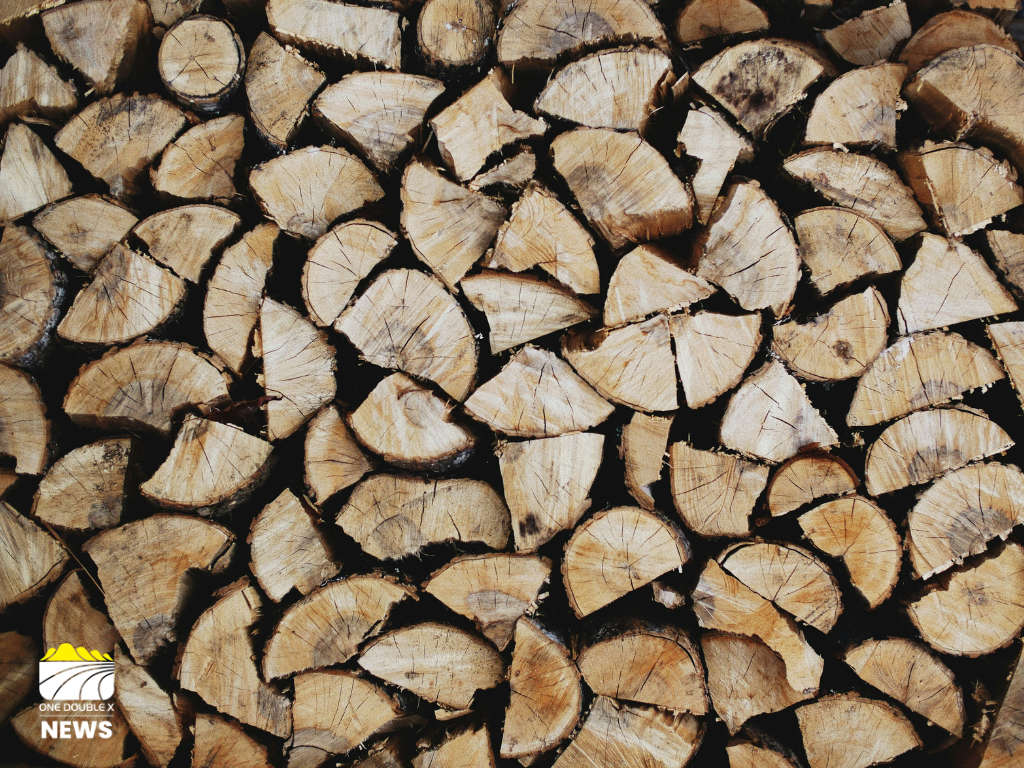
New Zealanders are being urged to exercise caution when handling firewood this winter, as new data shows that thousands are being injured each year.
ACC accepted more than 8,400 firewood-related injury claims in 2025, costing $15.3 million to help people recover, the highest number in the past five years.
In the Bay of Plenty alone, 746 injuries were recorded last year, costing $1.3 million.
Over the past five years, the region has seen 3,732 claims, resulting in a total cost of $6.2 million.
ACC injury prevention leader James Whitaker said many of these injuries were avoidable.
“Our top tip for handling firewood safely is to slow down. Many firewood-related injuries happen simply because people are rushing,” he said.
“Instead of overloading yourself and trying to carry too many pieces of wood at once, use a wheelbarrow, take multiple trips or get someone to help you.”
Firewood injuries commonly occur while chopping, lifting, carrying or adding wood to fires.
Whitaker said most injuries were soft-tissue related, followed by cuts and punctures.
“The main parts of the body people injured were lower back and spine, shoulder, and fingers and thumbs,” he said.
As temperatures drop, injury rates climb.
ACC data shows claims begin increasing in May and June, peaking in July.
“Our data shows us that as it gets colder, the higher the number of claims for firewood-related injuries, which makes sense,” Whitaker said.
Older New Zealanders are particularly affected, with those aged 50 to 69 making up 42% of all claims.
Whitaker said the impact of injuries often extended beyond the individual.
“When we get injured, it has a flow-on effect to our friends, family and workmates,” he said.
“Most of these firewood injuries are predictable and therefore preventable.”
ACC is encouraging people to take simple precautions, including wearing protective gear, using proper lifting techniques, supervising children, and keeping safety equipment like fire extinguishers nearby.
Whitaker also stressed the importance of preparing fireplaces before winter.
“We recommend having your chimneys swept before use, always using a fireguard or spark guard, and disposing of ashes carefully,” he said.
“Ashes can stay hot for up to five days and should be left to cool in a metal container on a concrete or metal surface – not on decking or flooring.”
He said people should keep furniture and flammable items at least one metre away from fireplaces.
Whitaker said keeping yourself safe is simple; it just requires taking time and care to do things right.
“So just slow down so you can enjoy your wood fire and be injury-free.”
 Police Crack Down on New Gang Chapters in Ōpōtiki
 Under the House to the Try Line: Ruby and Her 11 Pups Seek Forever Homes
 Eastern Bay Local Government Future Left in Limbo After Head Start Decision Delayed
 Hillcrest Road Closures Scheduled for Friday