Eastern Bay of Plenty primary healthcare providers have rejected the Government’s $120.6 million funding package, citing concerns that it weakens Te Tiriti o Waitangi obligations and may worsen health inequities for Māori.
Te Whare o Rehua, the medical arm of Te Puna Ora o Mataatua, and Tarawera Medical Centre opposed the package during a vote by contracted provider practices last week.
Te Whare o Rehua Chief Executive Shelley Cunningham said the proposal represents a shift in the Crown’s responsibilities under Te Tiriti o Waitangi by reducing the requirement to “give effect” to Te Tiriti principles to a lesser obligation to “take into account” those principles.
“This is a serious step backwards,” Cunningham said.
“It undermines accountability to Te Tiriti o Waitangi and efforts to achieve equity for Māori.”
A key concern raised by the providers is the Government’s proposed capitation funding model, which has been reviewed for the first time in over two decades.
The revised model changes how funding is allocated to primary care providers.
While the revised formula recognises factors such as deprivation, rurality, age and comorbidity, ethnicity has been removed as a core component of the funding calculation.
According to Cunningham, Māori health needs are instead treated as a separate adjustment rather than being embedded within base funding.
She warned this approach could have long-term consequences for Māori communities, noting that Māori experience earlier onset of illness, higher rates of multiple chronic conditions, unmet healthcare needs and barriers to accessing timely care.
“Base funding determines whether practices are financially sustainable and able to provide longer consultations, proactive follow-up, whānau-centred care, outreach and the workforce required to respond to complex need,” she said.
“If ethnicity is excluded from core funding settings, the system risks treating predictable and well-evidenced inequity as an optional extra, rather than a foundational funding responsibility.”
Cunningham also expressed concern about declining access to general practitioner services, particularly in rural communities.
“We are already seeing reduced access to GP services for whānau, particularly in rural areas,” she said.
“What is most alarming is that these whānau are not presenting at emergency departments either; they are simply going without care.”
Tarawera Medical Centre Chair and Ngāti Tūwharetoa Settlement Trust Chair Karilyn Te Riini said equitable health outcomes for Māori must remain firmly grounded in Te Tiriti o Waitangi and reflected across funding, commissioning and service delivery.
“Equity in health is not an optional extra; it is fundamental to achieving better outcomes for whānau, hapū, iwi and communities,” Te Riini said.
“For Māori, that means upholding tino rangatiratanga, partnership, active protection, equity and options in a way that is embedded and accountable.”
Te Riini said Ngāti Tūwharetoa remains committed to improving health outcomes for its people and the wider Kawerau community through locally led healthcare initiatives.
The trust is continuing plans for a community health hub designed to strengthen integrated care services in the area.
She cautioned that treating equity as an add-on rather than a core funding principle risks reinforcing existing disparities.
“Treating equity as an add-on, rather than embedding it within base funding, risks reinforcing the very inequities the health system is meant to address,” she said.
Te Whare o Rehua is now calling on the Government to reconsider the funding proposal and retain stronger legislative obligations that support equitable health outcomes for Māori.
 Police Crack Down on New Gang Chapters in Ōpōtiki
 Under the House to the Try Line: Ruby and Her 11 Pups Seek Forever Homes
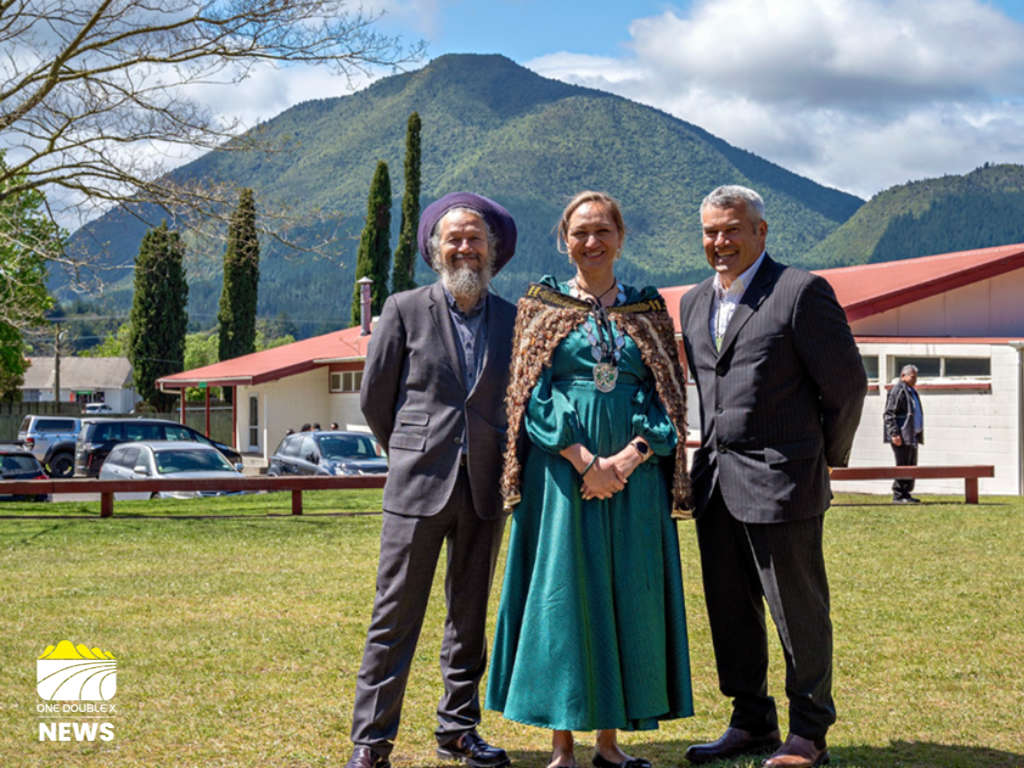 Eastern Bay Local Government Future Left in Limbo After Head Start Decision Delayed
 Hillcrest Road Closures Scheduled for Friday