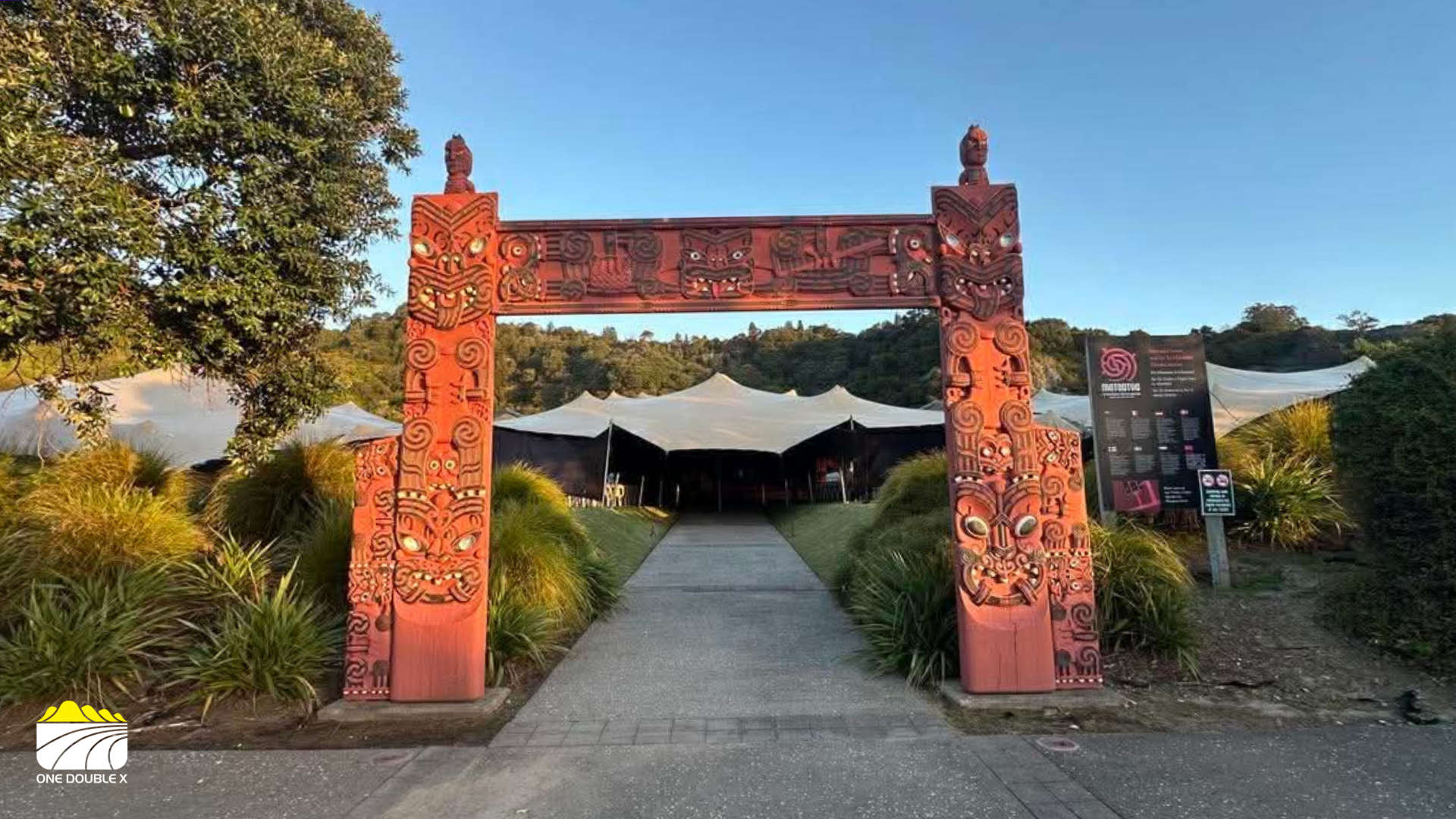
This afternoon, 2,200 graduates will be meeting at Te Mānuka Tūtahi Marae for a pōwhiri, before the hīkoi tomorrow morning.
Graduates from across Aotearoa, and the United States will gather at Te Mānuka Tūtahi Marae to begin the graduation ceremony.
Chief Executive Wiremu Doherty said for the first time, the pōwhiri and hīkoi will be spread across two days.
"It's intentionally to allow family to relax a little bit and they can travel, come in a day earlier and i.e. they're in town for an additional night and hopefully that little boost to our economy is going to help.
"And through the pōwhiri, it then allows us to simply allow the pōwhiri to take as long as it takes."
He said separating the two major protocols removes time pressure and allows the pōwhiri to fully play out.
"Every person who will be coming will bring with them cherished loved ones who have passed and as protocol requires, we acknowledge them, we acknowledge the sacrifice that they made, and in doing so we are acknowledging their support."
"We acknowledge the support of our graduands' families because we know that that's really what gets our graduate through, it's the support from the mums, the dads, the husbands, the wives, the siblings, the brothers, the older children," he said.
The process also allows graduates to fully acknowledge Whakatāne and Ngāti Awa welcoming them into their rohe.
"They'll come as an eclectic grouping of people, at the end of their pōhiri, they will then be a united collective of our graduates ready to go through the graduation ceremony tomorrow."
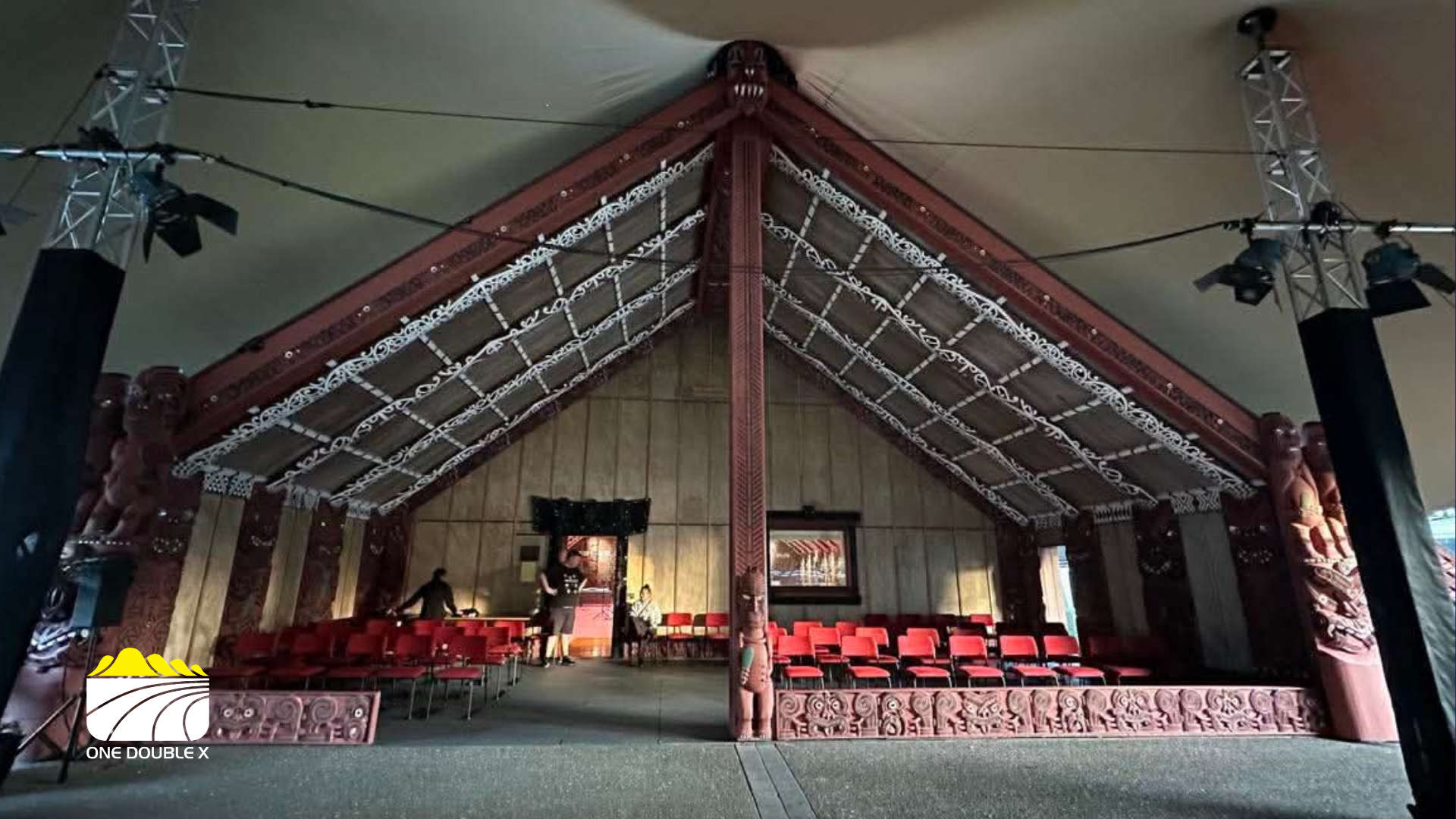
Te Mānuka Tūtahi Marae ready for graduation proceedings
Tomorrow graduates from 31 qualifications, ranging from diplomas to PhDs, will walk from Mitchell Park to Te Mānuka Tūtahi Marae for the graduation ceremony.
Two new qualifications, the Diploma in Content Creation and Pou Rewa Tikanga Māori mi te Ture (Postgraduate Diploma in Tikanga in Law) will be having graduates for the first time.
Two new qualifications, the Diploma in Content Creation and Pou Rewa Tikanga Māori me te Ture (Postgraduate Diploma in Tikanga in Law), will have graduating students for the first time.
Doherty said the wānanga is excited to provide excited to offer both, reflecting changes in media and demand for tikanga-based legal expertise.
Students are travelling from across Aotearoa and as far as the United States.
They will be met by 605 children from 20 school kapa haka groups across the Eastern Bay.
"From afar afield is Murupara, all the way through town out through to Ōpōtiki. And that is an absolute highlight for us."
Doherty said seeing the event helps younger students pursue tertiary education.
"Far too often to complete compulsory schooling was seen as the destination, it was not seen as just simply a transition point from compulsory schooling into tertiary."
"So what we're hoping to do, and I believe we've done quite a bit of work in this space, is embedding that into our communities that tertiary is not the norm."
Many will be watching whānau graduating, providing further inspiration.
As the cost of living rises, Doherty said more students are studying part-time or alongside work.
"So we're mindful of that and we're trying to get that mix right to allow them to actually earn and learn as has been often said by many tertiary providers now."
The graduation also benefits the wider community, with whānau travelling to Whakatāne providing an economic boost, he said.
Doherty said the focus remains on meeting local workforce needs.
He said recently an increasing number of students are enrolling in teaching and nursing courses, which is encouraging.
"We all see the shortage across both of those areas."
"We've demonstrated through our graduates who graduate out of these two qualifications, the distinctive character that graduates out of this institution have that others don't."
He said graduates bring strong cultural competency, a critical component in both professions.
Long term, the wānanga aims to align training with regional workforce shortages.
"If we can clearly identify these are the areas that our particular region requires, then why can we not then make that a localised curriculum that falls into our primary, secondary and tertiary and then we then produce our own workforce development here within our community."
He hopes to continue expanding opportunities for the community, with government support for tertiary education.
"To do that we require support, just as government has supported the eight universities to stand up their infrastructure to deliver what they deliver."
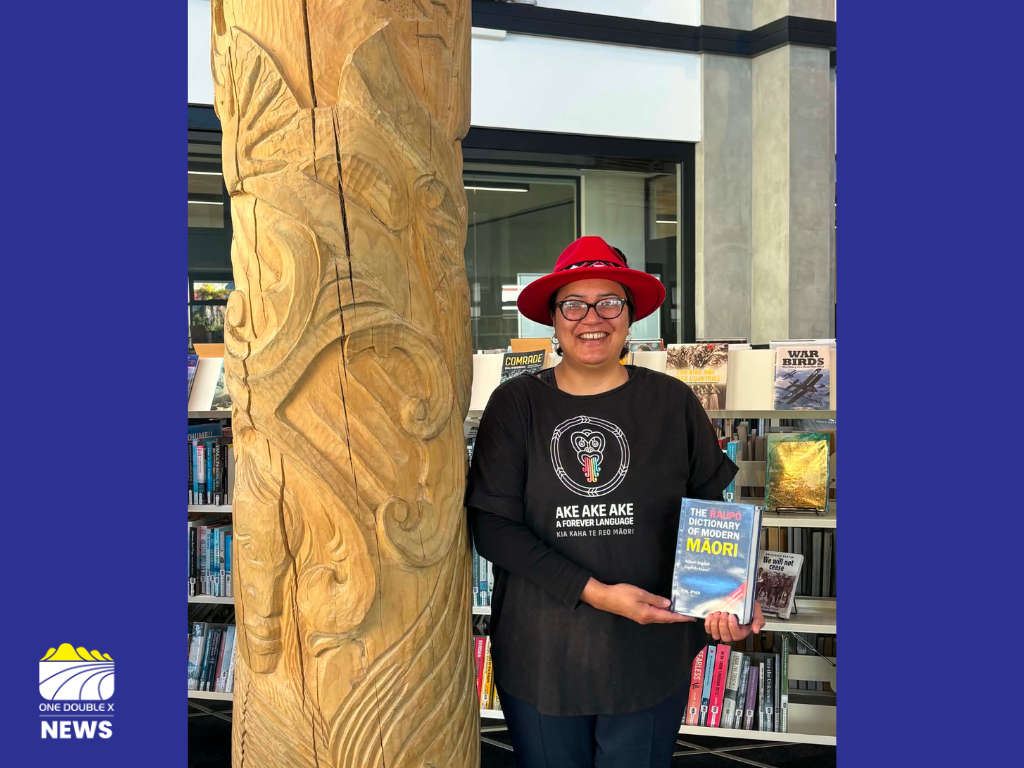 Te Tāhuhu o Te Rangi Invites Local Residents to Celebrate Te Wiki o te Reo Māori
 Body Located During Search for Missing Man
 SH2 Near Te Puke Golf Course to Close This Weekend for Railway Crossing Repairs
 Volunteers Aid Search for Missing Ōpōtiki Man