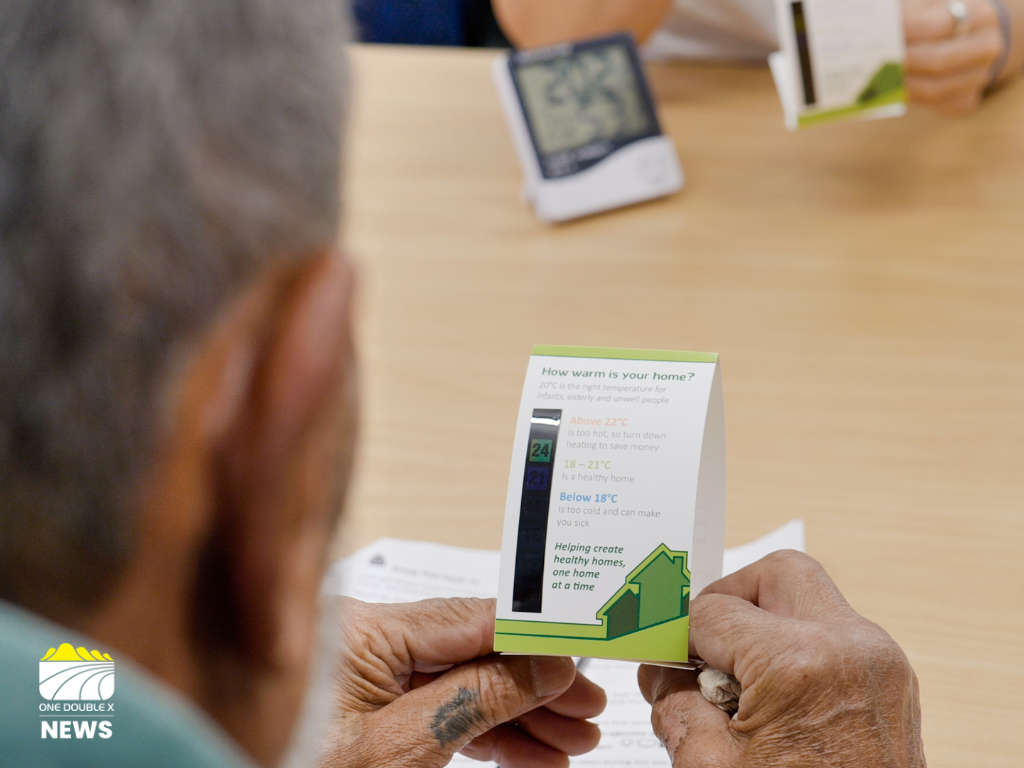
Thousands of New Zealanders are ending up in hospital each year with health conditions linked to poor housing, and a Bay of Plenty organisation is encouraging people to seek support before winter takes its toll.
Sustainability Options co-founder Nik Gregg said the organisation’s focus this winter is helping households create homes that are warmer, drier and healthier.
“Our main focus this winter, as has been with other winters, is first and foremost visiting homes of those people who want us to visit and who want us to help them improve the housing conditions that they’re living in so that it is warmer, drier and healthier,” Gregg said.
The organisation works across the Eastern Bay of Plenty and also supports households in Tauranga and Te Puke.
Gregg said home visits are an important part of understanding the challenges people face in their day-to-day living environments.
“Part of visiting the home is being with people in their space so that we can discuss with them how the home is working for them, how they are driving it, operating it, where the challenges are, what is making it cold, what is making it damp, what is making it concerning to them.”
Poor housing conditions can have a significant impact on health, particularly respiratory health.
“Over 80,000 New Zealanders each year end up in hospital just with respiratory-related conditions.”
“So there could be a whole range of reasons they’re in hospital, but 80,000 end up in hospital with respiratory-related conditions associated with poor housing.”
Gregg said around 28,000 of those hospitalisations involve children.
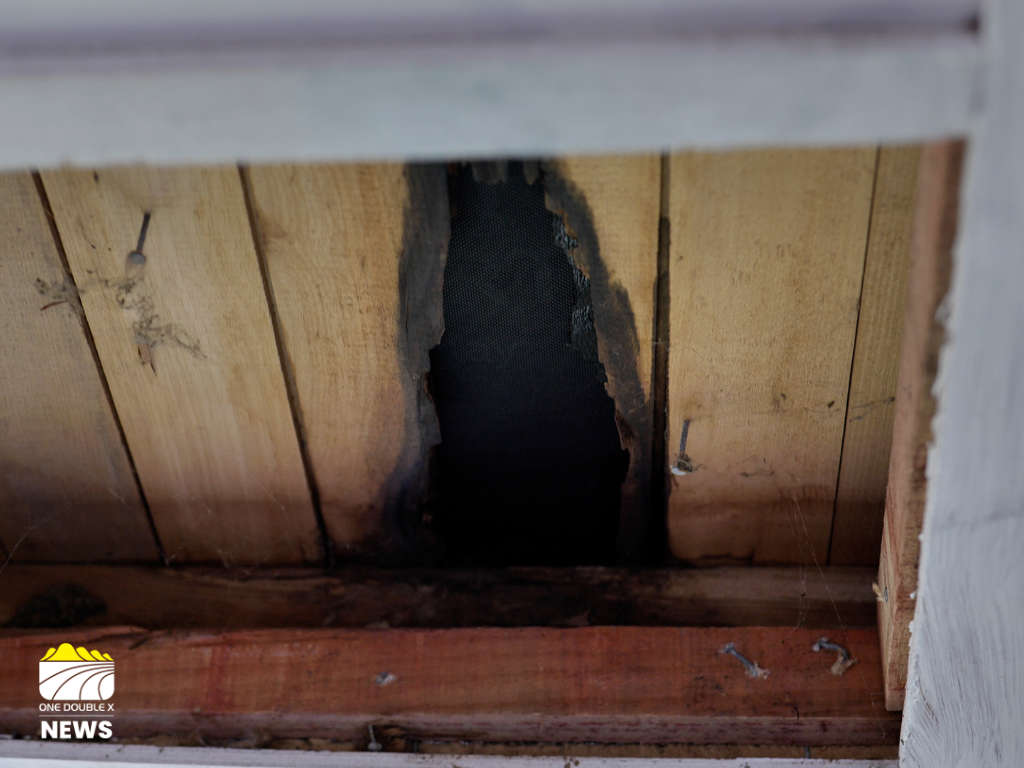
Temperature and mold both play a part in the health of those living in the home. IMAGE // Sustainability Options
The temperature inside the home also plays an important role.
“Every time the temperature in our bedrooms, where we’re sleeping, every time that drops down below 16 degrees, that is seen as a trigger for respiratory-related concerns or issues.”
According to Gregg, the health impacts become more serious as temperatures continue to fall.
“And at 12 degrees the blood thickens, so now we’ve got a heart issue because you’ve got thick blood trying to be pumped around the body when the occupant is trying to rest.”
“And at 12 degrees, lung damage is also starting to happen.”
Dampness and mould can create additional risks.
“Damp houses, houses where mould grows, and mould is associated with a range of mental health conditions, also respiratory concerns, as well as, over time, autoimmune potential, autoimmune impacts and a bunch of other issues are associated with mould.”
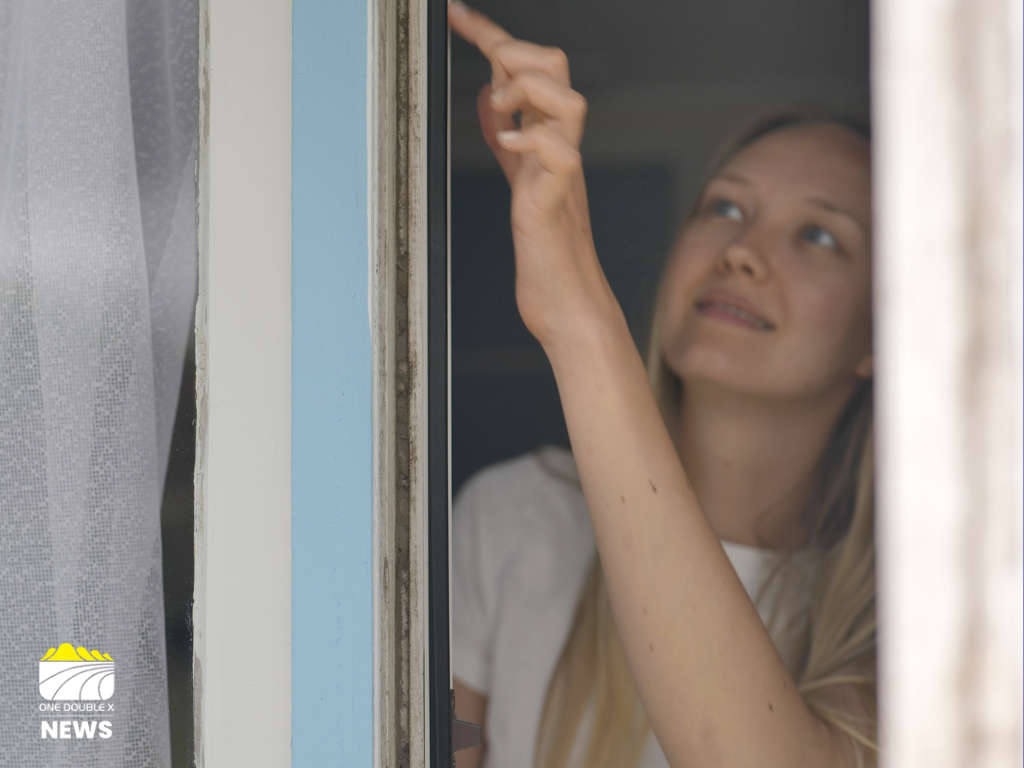
Sustainability Options works with homeowners to find the reasons why their home is unhealthy and offers practical solutions to remedy it. IMAGE // Sustainability Options
Sustainability Options operates as a social enterprise and provides support to anyone seeking help with their housing conditions.
“We don’t actually have any criteria. We don’t have any target focus. We are just happy to go to somebody’s home when they have concerns with regards to the conditions of their home and to help them out and provide them advice, advocacy and support.”
The organisation also runs the 20 Degrees programme, which helps low-income homeowners improve the thermal performance of their homes through minor repairs and maintenance.
“We get some funding support from an amazing Bay of Plenty Trust.”
“The Eastern Bay Trust Horizon and Bay Trust are just beautiful supporters, and they provide us with some funding that will allow us to help homes with minor repairs and maintenance to improve what we would call the thermal envelope, the ability of the home to keep the heat in.”
The programme is aimed at Community Services Card holders and other households facing financial hardship.
For people wanting to improve their homes themselves, Gregg said there are several practical steps they can take.
“The top tips, if people feel confident enough, and there’s a whole bunch of videos on YouTube about draft-proofing the home.”
He said reducing drafts, installing well-lined curtains and using bubble wrap as a form of secondary glazing can all help improve warmth and reduce condensation.
“So bubble glazing, or what we’d call a secondary plastic glazing, can be as effective as double glazing.”
Gregg also encouraged people to use heaters efficiently.
“Don’t turn the thermostat all the way around because they’re trying to get the heater to heat that room to 31 degrees, and it’s using a lot more energy and electricity than it needs to.”
Ventilation remains important, but he said leaving windows open all day can sometimes do more harm than good.
“Kiwis love fresh air, and we love to keep our windows open all day.”
“What people don’t realise is that if we overventilate the home, it is good to ventilate the home, and it’s good to open our windows. But we should be just doing that for a limited period of time.”
Instead, Gregg recommends opening multiple windows for between 15 and 30 minutes before closing the home up again.
“If you leave your windows open all day, the surfaces of your home are going to get cold. Cold surfaces are more likely to have condensation on them.”
He encouraged anyone concerned about the condition of their home to get in touch.
“We would love to hear from anybody who is concerned and would like some good advice, help, and support around improving their conditions.”
The programme’s name comes from the temperature recommended by the World Health Organisation for a healthy home.
“The programme that we offer is called 20 Degrees, and it’s because the World Health Organisation suggests that a healthy home should be 20 degrees overnight when we’re sleeping in it.”
Gregg said small changes can make a big difference when it comes to keeping families warm and well through winter.
 Te Tāhuhu o Te Rangi Invites Local Residents to Celebrate Te Wiki o te Reo Māori
 Body Located During Search for Missing Man
 SH2 Near Te Puke Golf Course to Close This Weekend for Railway Crossing Repairs
 Volunteers Aid Search for Missing Ōpōtiki Man